Installation guide
 Owner’s manual
 Error Codes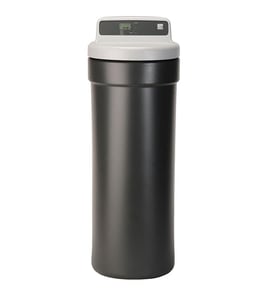




Is it worth repairing a water softener?
Yes; repairing a Kenmore water softener model 625388280 is worth it when the issue is a normal wear item (valve drive, seals, sensing) or a maintenance problem (salt bridge, plugged nozzle and venturi). Replace it when the tank or salt storage drum is leaking or structurally damaged.
Quick decision checklist
- Repair when you have hard water but the unit still powers on and cycles.
- Repair when the problem is isolated to the valve area (minor leak, poor regeneration, no brine draw).
- Repair when troubleshooting points to a single component (motor, seals, position switch).
- Replace when the resin tank or salt storage drum is leaking, cracked, or warped.
- Replace when multiple major systems fail at once (drive plus valve internals plus controls).
What we check first on model 625388280
The manual notes that a clean nozzle and venturi is required to move brine during regeneration; if it plugs with sand, silt, or dirt, you get hard water. Follow the correct service-cycle and cleaning steps in the 625388280 owner's manual.
Common model-matched parts that make repairs practical
| Symptom | Likely repair area | Example part |
|---|---|---|
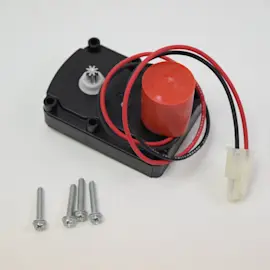
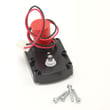
| Won’t advance through regeneration | Valve drive | Rep'l motor 7286039 |
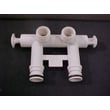
| Internal leaking, poor sealing | Valve seals | Kenmore water softener seal kit 7129716 |
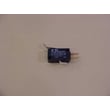
| Stalls, position errors | Position sensing | Waterworks water softener rotor position switch 7030713 |
Why it matters
When the softener is not drawing brine or not regenerating correctly, you get hard-water symptoms and waste salt and water during ineffective cycles; restoring proper operation protects plumbing and improves water quality.
Last updated: January 2026
What is the average lifespan of a water softener?
Most residential water softeners last 10 to 15 years. With consistent maintenance (correct programming, keeping salt at the right level, and periodic cleaning), a Kenmore water softener like model 625388280 commonly reaches the high end of that range.
What affects lifespan the most
- Water hardness and iron level (harder water and iron make the system work more)
- Salt habits (running low can reduce performance and increase wear)
- Humidity and salt bridging (can prevent proper brine making)
- Regular cleaning and periodic disinfecting (helps prevent buildup and odor issues)
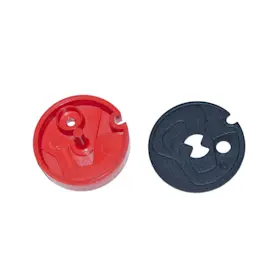
- Valve wear items (seals, rotor/disc, and motor are common long-term wear points)
Maintenance habits that help you get the full life
We recommend following the care steps in the 625388280 owner's manual and focusing on these basics:
- Keep salt in the brine tank; in humid areas, keep it about 1/4 to 1/2 full and refill more often
- Break up or remove salt bridges if you notice hard water returning
- Clean the brine tank and surrounding areas as needed to prevent crusting
- Periodically disinfect the softener when your water supply conditions call for it
- Confirm the timer settings after power outages or programming changes
Common “repair vs. replace” checkpoints
| What you notice | Most likely direction | Typical next step |
|---|---|---|
| Unit is older but still regenerates and softens | Repair/maintain | Clean, reprogram, check salt bridging |
| Leaks at the valve area | Repair first | Inspect seals and valve components |
| Noisy or stalled regeneration | Repair first | Check motor and rotor position feedback |
| Frequent hard water even after setup | Diagnose | Check hardness setting, venturi/brine draw, flow sensing |
If you’re rebuilding the valve to extend service life, the Kenmore water softener seal kit 7129716 is a common wear-item set for this model family.
Why it matters
A water softener that is near end-of-life often costs more in salt, wastes water during regeneration, and still leaves you with scale buildup on plumbing and fixtures. Keeping the unit maintained helps protect water heaters, dishwashers, and faucets.
Last updated: January 2026
What water softeners do plumbers recommend?
Plumbers recommend a water softener that matches your water test results (hardness in grains per gallon and iron in ppm), your home’s peak flow demand, and local plumbing codes. For Kenmore model 625388280, we use the sizing and performance limits listed in the 625388280 owner's manual to confirm the unit fits your water conditions.
What plumbers usually look for
Plumbers choose the setup that solves hard-water symptoms with the fewest service calls.
- Correct capacity for your hardness level and household water use
- Iron capability that matches your test results (iron can shorten resin life)
- Reliable regeneration controls (timer, valve motor, rotor and disc)
- Serviceable valve design with readily available replacement parts
- Code-compliant installation (drain routing, electrical, and bypass)
How this applies to Kenmore 625388280
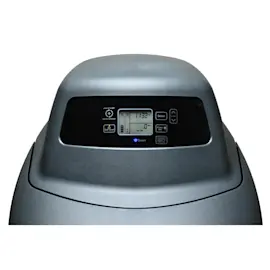
This Kenmore water softener is built to remove hardness minerals and “clear water” iron up to the maximum limits shown in the specifications section of the manual. It is not designed to correct other water issues such as tastes and odors or iron types beyond “clear water” iron.
- Confirm your hardness and iron numbers against the manual’s specifications
- Program the timer and complete start-up steps after installation
- Keep salt in the brine tank; in humid areas, filling 1/4 to 1/2 full helps reduce salt bridging
Quick checklist to bring to a plumber
| What to measure | Typical unit | Why it matters |
|---|---|---|
| Hardness | gpg | Drives capacity and salt use |
| Iron | ppm | Impacts resin performance and maintenance |
| Peak flow | gpm | Prevents pressure drop and hard-water bleed |
| Install constraints | N/A | Determines bypass, drain, and location |
Why it matters
When the softener is mismatched to water chemistry or flow demand, you get hard water at fixtures, excessive salt use, frequent regenerations, and faster wear on the resin bed and valve components.
Last updated: January 2026