Owner’s manual
 Error Codes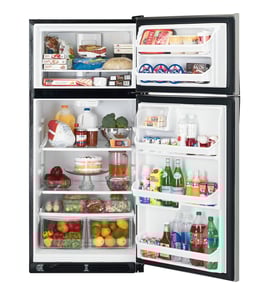




What are the disadvantages of a top mount fridge?
A top-mount (top-freezer) refrigerator like the GE GTE18GTHERWW is usually affordable and reliable, but its main drawbacks are convenience and features: you bend more to reach fresh foods, storage is less flexible than many bottom-freezer designs, and dispenser options are often limited.
Common disadvantages to expect
- More bending for daily items: the fresh-food section is lower, so produce, drinks, and leftovers often require more stooping.
- Less “eye-level” organization: shelves and drawers can be adjustable, but many top-mount layouts feel tighter for tall bottles and wide platters.
- Fewer premium features: external water and ice dispensers are less common on top-mount models.
- Freezer access can be less ergonomic: heavier frozen items may be above shoulder height for some users.
- Temperature swings with frequent freezer use: opening the top freezer often can affect overall airflow and temps in both compartments.
What you can do to reduce the downsides
We recommend these practical setup tweaks (they help on most GE top-freezer refrigerators):
- Set the temperature control to the recommended starting point, then adjust gradually for stability.
- Place most-used fresh foods on the upper shelf to reduce bending.
- Use bins to group snacks, deli items, and condiments so you can grab-and-go.
- Avoid blocking air vents with large containers; airflow matters for even cooling.
- If you add an ice maker, keep the freezer organized so the ice bucket area stays clear.
Feature trade-off snapshot
| Category | Top-mount refrigerator | Bottom-freezer refrigerator |
|---|---|---|
| Fresh-food access | Lower, more bending | Higher, easier access |
| Freezer access | Higher | Lower (drawer style) |
| Storage feel | Often simpler | Often more flexible |
| Dispenser options | Less common | More common |
Why it matters
Most households open the fresh-food door far more than the freezer. If you want the easiest daily access and more “at-a-glance” organization, a bottom-freezer style typically feels better. If you want straightforward design and value, a top-mount like the GTE18GTHERWW is a solid fit.
For model-specific features and compartment setup details, use the GTE18GTHERWW owner’s manual.
Last updated: February 2026
What is the average lifespan of a GE refrigerator?
Most GE refrigerators, including the GE GTE18GTHERWW top-mount refrigerator, last 12 to 15 years with normal use. Regular care (cleaning, good door sealing, and correct temperatures) helps you reach the high end of that range and avoid early compressor or cooling-system wear.
Typical lifespan and what affects it
A refrigerator’s life depends more on operating conditions than brand alone.
- Maintenance: keeping condenser coils clean reduces run time and heat stress
- Door sealing: worn gaskets cause longer run times and moisture problems
- Ventilation: tight cabinets trap heat and shorten component life
- Usage habits: frequent door openings and overloading increase workload
- Power quality: repeated outages/surges can damage controls and motors
Maintenance checklist that extends life
We recommend following the care and cleaning guidance in the GTE18GTHERWW owner's manual.
- Vacuum dust from the condenser area (typically every 6 to 12 months)
- Keep door gaskets clean and fully contacting the cabinet
- Set steady temps: 37°F to 40°F fresh food; 0°F freezer
- Leave airflow space around the cabinet and do not block interior vents
- Listen for changes in “normal operating sounds” that can signal a fan issue
Quick “repair or replace” guide
| What you’re seeing | Common cause | Usual next step |
|---|---|---|
| Runs constantly, warm temps | Dirty coils, poor airflow, gasket leak | Clean coils, check door seal |
| Warm fridge, freezer OK | Airflow problem, evaporator fan issue | Inspect/replace fan motor |
| Frost buildup, weak cooling | Defrost system problem | Check heater and defrost circuit |
| No ice (if equipped) | Water supply or ice maker issue | Check valve, line, ice maker |
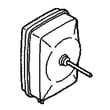
If airflow is the issue, the evaporator fan is a common wear item; for this model, see refrigerator evaporator fan WR60X31522.
Why it matters
A refrigerator that is forced to run longer than normal uses more energy and puts extra stress on the sealed system (compressor, condenser, evaporator). Simple upkeep often adds years of reliable cooling.
Last updated: February 2026
What is the most common problem with a GE refrigerator?
The most common problem we see with GE refrigerators like model GTE18GTHERWW is a cooling complaint (fresh food too warm, freezer not cold enough, or temps swinging). The usual causes are restricted airflow from blocked vents, dirty condenser coils, or a failing evaporator fan.
Quick checks that fix many cooling complaints
- Make sure air vents in the freezer and fresh food section are not blocked by food packages.
- Avoid overstuffing; airflow has to circulate to keep temperatures even.
- Confirm doors close fully and the gaskets seal all the way around.
- Set controls to the recommended mid-range setting and wait 24 hours for stabilization.
- Listen for the evaporator fan running when the compressor is on (often heard from the freezer area).
Common symptoms and the most likely causes
| Symptom | Most likely cause | What to do first |
|---|---|---|
| Fresh food warm, freezer OK | Airflow restriction or damper issue | Clear vents, reduce load, check for frost buildup |
| Freezer warm, little or no airflow | Evaporator fan problem | Inspect fan area for ice, test/replace fan motor |
| Temps swing, runs a lot | Dirty condenser coils or poor ventilation | Clean coils, ensure space around cabinet |
| Frost buildup, weak cooling | Defrost system issue | Check for heavy frost on evaporator cover |
Parts that commonly relate to cooling issues on this model
If airflow is weak or you hear unusual fan noise, these model-matched parts are often involved:
- Refrigerator evaporator fan WR60X31522 (moves cold air through the freezer and into the fresh food section)
- Refrigerator defrost heater WR09X21107 (helps clear frost so air can pass over the evaporator)
Why it matters
Cooling problems usually get worse over time; restricted airflow and frost buildup can lead to longer run times, warmer food storage, and ice maker performance issues. Keeping vents clear and addressing fan or defrost problems early helps the refrigerator hold steady temperatures.
For model-specific operating tips and troubleshooting steps, follow the GTE18GTHERWW owner's manual.
Last updated: February 2026