 Error Codes


What is the most common problem with whirlpool dryers?
The most common Whirlpool dryer problem is no heat or poor drying, usually caused by restricted venting (lint buildup) that overheats the dryer and triggers safety components. On the Whirlpool CGM2761KQ3 commercial dryer, a second very common issue is noise or thumping from normal wear parts in the drum support and belt drive system.
- Runs but no heat: ignition or gas burner components, or airflow restriction
- Takes too long to dry: clogged vent, blocked lint path, or weak airflow
- Loud rumbling or thumping: worn drum support rollers or drum seal
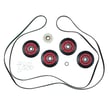
- Squealing: idler pulley wear
- Won’t start: door switch, timer, or power supply issue
- Clean the lint screen and lint screen area every load.
- Check airflow at the outside vent hood; it should be strong and steady.
- Inspect the vent run (crushed flex duct, long run, heavy lint).
- Listen to the dryer: squeal vs rumble helps narrow the failing part.
- If the drum is hard to turn by hand, suspect rollers, idler, or a seized blower wheel.
| Symptom | Common cause | Example part for this model |
|---|---|---|
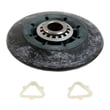
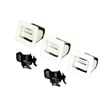
| Rumble/thump | Worn drum support roller | Support WPW10314173 |
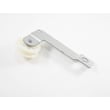
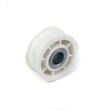
| Squeal | Worn idler pulley | Dryer idler pulley 279640 |
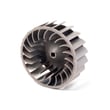
| Poor airflow, burning smell, linty cabinet | Damaged blower wheel | Dryer blower wheel WP697772 |
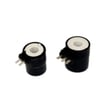
| No heat (gas) with intermittent ignition | Weak gas valve coils | Dryer gas valve coil kit 279834 |
Restricted venting is the root cause behind many Whirlpool dryer failures because it raises operating temperatures, increases cycle times, and accelerates wear on moving parts like rollers, the idler pulley, and the blower wheel.
Last updated: January 2026
How do I clear the error code on my Whirlpool dryer?
On a Whirlpool commercial dryer like model CGM2761KQ3, most error codes clear by resetting power and then re-running a cycle. If the code returns right away, treat it as an active fault and troubleshoot the specific system involved (heat, airflow, door switch, or drive).
- Press Stop/Cancel (or Pause/Cancel) once to stop the cycle.
- Wait 30 seconds.
- Unplug the dryer (or switch the breaker off) for 2 to 5 minutes.
- Restore power.
- Start a timed cycle and watch for the code to return.
- If the dryer is coin-operated, make sure the cycle is fully ended before restarting.
Many “error code” complaints are caused by a real condition the control is detecting. Start with these high-impact checks:
- Airflow restriction: clean lint screen, lint duct, and verify strong exhaust flow.
- Door not proving closed: check the latch alignment and door switch operation.
- No heat or intermittent heat (gas models): burner ignition components can fail intermittently.
- Drum not turning: belt, idler, or support rollers can bind or slip.
- Power supply: confirm correct voltage at the outlet and tight terminal connections.
If symptoms match, these model-compatible parts are common fixes:
| Symptom you see | Common area | Example model-compatible part |
|---|---|---|
| Door-related stopping or code returns when door moves | Door circuit | Door switch WPW10237959 |
| Ignites sometimes, then no heat | Gas ignition | Dryer gas valve coil kit 279834 |
| Squeal, thump, drum drag, or motor strain | Drum support | Support WPW10314173 |
Clearing the code without fixing the cause usually leads to repeat shutdowns, longer dry times, and extra wear on the motor, igniter, and drum support system. A quick reset is useful, but a recurring code is a troubleshooting shortcut.
Last updated: January 2026
What is the average lifespan of a whirlpool dryer?
Most Whirlpool dryers average 10 to 13 years of service life. For a Whirlpool commercial dryer like model CGM2761KQ3, heavy daily use can shorten that average, while consistent airflow maintenance and timely wear-part replacement can keep performance strong for many years.
- Usage volume: Commercial or multi-load-per-day use wears belts, rollers, and the drive system faster.
- Airflow and venting: Restricted venting overheats components and increases cycle times.
- Lint control: Lint buildup stresses the blower and raises operating temperatures.
- Heat system condition (gas models): Ignition and gas valve components wear over time.
- Load habits: Overloading strains the drum support system and idler pulley.
- Clean the lint screen area regularly; replace damaged screens such as the screen W10120998.
- Keep the exhaust vent run short and clear; verify strong airflow at the outside hood.
- Listen for squealing or thumping; worn rollers like the support WPW10314173 are common on high-use dryers.
- If the drum stops turning or slips, inspect the idler system; the dryer idler pulley 279640 is a frequent wear item.
- For gas heat issues (no heat or intermittent heat), ignition parts are common culprits; check the igniter 279311 and the dryer gas valve coil kit 279834.
| Symptom | Most common cause | Typical fix type |
|---|---|---|
| Loud squeal or rumble | Drum support wear | Replace rollers/support parts |
| Drum not turning | Drive system wear | Replace idler/belt-related parts |
| Runs but no heat (gas) | Ignition or valve coil issue | Replace igniter/coil kit |
| Long dry times | Vent restriction or blower issue | Clean vent, inspect blower |
A dryer usually does not fail all at once; it loses efficiency first. Catching airflow problems and replacing high-wear parts early helps prevent overheating, reduces downtime, and keeps dry times consistent, especially in commercial settings.
Last updated: January 2026








