Owner’s manual
 Error Codes


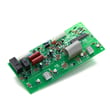

What is top mount and bottom mount refrigerator?
A top-mount refrigerator has the freezer on top and the fresh-food section below; a bottom-mount refrigerator (like Kenmore model 596467934251) puts the freezer on the bottom so everyday refrigerated items sit closer to eye level. Both styles cool similarly; the main difference is layout and convenience.
Quick comparison
| Feature | Top-mount refrigerator | Bottom-mount refrigerator |
|---|---|---|
| Freezer location | Top | Bottom (drawer or door) |
| Fresh-food access | Lower, more bending | Higher, easier access |
| Typical user preference | More freezer access | More fresh-food access |
| Common price point | Usually lower | Usually higher |
How to choose the right style
- Choose top-mount if you use the freezer most often and want a simpler, budget-friendly layout.
- Choose bottom-mount if you use fresh food daily and want less bending for milk, produce, and leftovers.
- If you have an ice maker or water line, plan for extra clearance behind the refrigerator for connections.
- Make sure you can fully open doors and drawers in your kitchen layout.
- Confirm required clearances and door swing details in the 596467934251 owner's manual.
Why it matters
Bottom-mount designs typically improve day-to-day ergonomics because the refrigerator compartment is used more often than the freezer. For installation, clearances also matter for airflow and door swing so the refrigerator cools efficiently and fits your space correctly.
Last updated: January 2026
How many cubic feet is a Kenmore model 596467934251 freezer?
The freezer capacity (cubic feet) for Kenmore bottom-mount refrigerator model 596467934251 is the freezer compartment volume, not the total refrigerator size. For the exact cubic-foot rating for your specific unit, we recommend checking the specifications section in the 596467934251 use & care guide.
How to find the freezer cubic feet for this model
We use the model’s published specs because “cubic feet” can mean different things (freezer-only vs total capacity). Look for these items:
- “Freezer capacity” or “Freezer volume” (this is what you want)
- “Total capacity” (refrigerator + freezer combined)
- “Refrigerator capacity” (fresh food section only)
- The model family listed in the manual (some manuals cover multiple close variants)
Typical freezer capacity range (for context)
Most Kenmore bottom-mount refrigerators in this style have a freezer capacity in a common range, depending on overall size and drawer layout.
| Refrigerator style | Typical freezer capacity | Notes |
|---|---|---|
| Bottom-mount (drawer freezer) | 5 to 8 cu. ft. | Varies with total capacity and icemaker setup |
| Upright freezer (standalone) | 14 to 21+ cu. ft. | Not comparable to a bottom-mount refrigerator |
Why your current reference looks off
The “253.xxxxx” Kenmore upright freezer information is for a standalone upright freezer, not a 596.xxxxx bottom-mount refrigerator. That is why the cubic-foot number and weight do not match what you need for model 596467934251.
Why it matters
Freezer cubic feet helps you compare storage space, plan food storage, and choose correctly sized accessories (like baskets and organizers) that fit your drawer layout.
Last updated: January 2026
Why is my Kenmore refrigerator leaking underneath?
Water under Kenmore refrigerator model 596467934251 usually comes from a clogged or frozen defrost drain that overflows into the base, or from a small leak at the water dispenser or ice maker tubing near the base grille. We check the drain path first, then the water connections.
Quick checks (most common)
- Look for ice or water pooling on the freezer floor or under the crisper drawers.
- Check whether the leak is near the front/base grille (often water line related).
- Listen for normal defrost “water running/dripping” into the drain pan; puddles mean overflow or a restriction.
- If you recently changed the water filter, flush the water system to reduce post-dispense dripping.
- Confirm doors close fully; warm air increases frost and defrost water.
Step-by-step fix
- Unplug the refrigerator and place towels under the front.
- Clear the defrost drain:
- Melt any visible ice with warm water.
- Flush the drain opening with warm water until it flows freely to the drain pan.
- Use a pipe cleaner or flexible plastic tubing to remove sludge.
- Inspect the drain pan underneath for cracks, misalignment, or overflow.
- If the puddle is near the base grille, check water tubing connections for a slow seep.
- If the leak traces back to the valve area, inspect the refrigerator water inlet valve WPW10498976.
What the symptoms usually mean
| What you see | Most likely cause | Best first action |
|---|---|---|
| Ice sheet on freezer floor | Frozen/clogged defrost drain | Defrost and clear drain path |
| Water under front near grille | Dispenser/ice maker tubing seep | Reseat and tighten tubing |
| Leak when ice maker fills | Valve or supply fitting leak | Inspect valve and fittings |
Why it matters
Stopping the leak prevents floor damage and helps avoid repeat icing that can lead to airflow problems and poor cooling.
For model-specific water system notes (including flushing after filter changes and checking tube connections), use the 596467934251 owner’s manual.
Last updated: January 2026