 Installation guide
 Owner’s manual
 Error Codes



Are most dishwashers 110 or 220?
Most residential dishwashers, including the GE GSD2300N10BB, run on a standard 120-volt (often called 110/115/120V) household circuit, not 220/240V. Always confirm by checking the electrical requirements in the installation guide before wiring or plugging in the dishwasher.
What to expect for power on the GSD2300N10BB
The installation instructions for this model describe a 3-prong grounding-type receptacle for power-cord installations and also cover permanent (hardwired) connections through the dishwasher junction box.
Common setup details we see for this model type:
- 120V supply on a dedicated circuit (typical for U.S. dishwashers)
- Either a plug-in power cord or a hardwired connection
- Grounding required (green ground wire connection when hardwired)
- Junction box connection located at the right front area of the dishwasher
- Cable routing and strain relief required for permanent wiring
Quick check: plug-in vs hardwired
Use this table to match what you have under your sink to the right approach.
| What you see | Typical connection type | What to do next |
|---|---|---|
| Standard 3-slot outlet in adjacent cabinet | Plug-in cord | Verify outlet location and clearance per the installation guide |
| No outlet, only house wiring in a junction box | Hardwired | Follow junction box wiring steps and grounding guidance in the installation guide |
| Outlet present but dishwasher is hardwired | Either (depends on kit and local code) | Keep the existing method unless you are intentionally converting it |
Why it matters
Using the wrong voltage or an incorrect outlet type can prevent the dishwasher from running and can damage electrical components. Confirming 120V power and proper grounding helps the control initialize correctly and keeps the installation safe and reliable.
Last updated: February 2026
What is the most common problem with a GE dishwasher?
The most common GE dishwasher problems are the dishwasher not starting, not draining, or not cleaning well. On the GE GSD2300N10BB, these symptoms are usually tied to simple causes like a door that is not fully latched, a drain restriction, suds from the wrong detergent, or a worn wash component.
Most common symptoms and what to check first
- Won’t start: confirm the door closes firmly and the latch engages; a misaligned latch/keeper can prevent operation.
- Won’t drain: check for a clogged sink/disposer connection, a dirty air gap (if you have one), or a kinked drain hose.
- Leaves water or suds in the tub: use only automatic dishwasher detergent; hand soap creates heavy suds that stop proper draining.
- Not cleaning: verify spray arms spin freely and are not blocked by tall items.
- Leaks: inspect the door seal for damage and make sure sharp items are not positioned where they can nick the seal.
Quick troubleshooting steps (in order)
- Reset power at the breaker for 1 minute, then try a normal cycle.
- Close the door firmly until it latches; do not start a cycle with the door partially latched.
- If it is not draining, run the disposer (if connected) and confirm the sink drains well.
- Check the drain path for restrictions; clean the air gap (if installed).
- If you see suds, stop the cycle and clear suds using the procedure in the owner's manual.
Parts that commonly solve these problems
If basic checks do not fix the symptom, these model-matched parts are common culprits:
| Symptom | Common part to inspect/replace | What it affects |
|---|---|---|
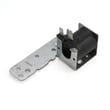
| Not draining | GE dishwasher drain solenoid assembly WD21X10268 | Opens the drain path during drain periods |
| Not draining or slow drain | Dishwasher drain hose WD24X10014 | Carries water to the sink/disposer; kinks/clogs stop flow |
| Poor cleaning | Dishwasher spray arm, lower WD12X10244 | Wash coverage; clogged jets reduce spray pressure |
| Leaking at door | Dishwasher door seal WD08X10057 | Seals the tub to the door to prevent leaks |
Why it matters
Start and drain problems often look like “the dishwasher is dead,” but they are frequently caused by a door-latch issue, a drain restriction, or detergent suds. Cleaning and loading checks prevent repeat clogs and improve wash performance.
Last updated: February 2026
What is the average life expectancy of a GE dishwasher?
A GE dishwasher typically lasts 10 to 12 years. With consistent cleaning, correct loading, and prompt repair of leaks or draining issues, many units reach the upper end of that range. For model GSD2300N10BB, follow the care and safety guidance in the GSD2300N10BB owner's manual.
Typical lifespan and what affects it
Most dishwasher longevity comes down to water quality, how often it runs, and whether key wash and drain components stay clear.
- 10 to 12 years is the typical service life for a GE dishwasher
- Heavy daily use can shorten life if maintenance is skipped
- Hard water and heavy detergent buildup accelerate wear on pumps, seals, and spray arms
- Small leaks that go uncorrected can damage the motor area and wiring
- Poor cleaning performance often traces back to spray arm clogs or circulation problems
Maintenance that extends dishwasher life
We recommend these habits for the GSD2300N10BB and most GE built-in dishwashers:
- Run hot water at the sink before starting a cycle (helps wash performance)
- Keep the tub and sump area clear of labels, glass, and food debris
- Use the right detergent type and amount for your water hardness
- Avoid overloading; keep spray paths open so arms can spin freely
- Inspect the door sealing surfaces and wipe them clean regularly
Parts that commonly impact lifespan
If performance drops, replacing a worn part early often prevents bigger failures.
| Symptom | Common area to check | Example part for this model |
|---|---|---|
| Not draining | Drain path, hose, drain solenoid | Dishwasher drain hose WD24X10014 or GE dishwasher drain solenoid assembly WD21X10268 |
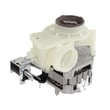
| Not cleaning well | Spray arms, circulation | Dishwasher spray arm WD22X10055 or dishwasher circulation pump WD19X10020 |
| Leaking at the door | Door gasket | Dishwasher door seal WD08X10057 |
Why it matters
A dishwasher near the end of its expected life often shows early warning signs (longer cycles, poor cleaning, intermittent draining, or small leaks). Addressing those issues quickly helps protect the pump and motor assembly and keeps the dishwasher reliable longer.
Last updated: February 2026
Is it worth repairing a GE dishwasher?
Yes, repairing a GE dishwasher is worth it when the problem is a common wear item (leak, drain issue, poor cleaning) and the fix is straightforward; for a GE GSD2300N10BB, replacing parts like a door seal, drain hose, or drain solenoid often restores reliable performance at a reasonable cost. Use the owner's manual to match symptoms to the right checks.
Quick rule of thumb we use
- Repair when the dishwasher is under about 10 years old and the repair is a single-part fix.
- Repair when the issue is mechanical (leaks, draining, spray performance) rather than multiple electrical failures.
- Replace when you have repeated breakdowns in a short period or multiple major assemblies failing.
- Replace when the tub is damaged or leaking (a major, labor-heavy repair).
Common “worth repairing” problems on dishwashers like this
These are typically cost-effective because they are targeted repairs and don’t require replacing the whole unit.
- Leaks at the door: often a worn gasket; consider the dishwasher door seal WD08X10057.
- Not draining: check for a clogged air gap (if used), disposer connection, or a restricted hose; the dishwasher drain hose WD24X10014 is a common fix when the hose is kinked or deteriorated.
- Weak cleaning: spray arm wear or blockage can reduce wash pressure; the dishwasher spray arm, lower WD12X10244 is a typical replacement.
- Drain solenoid issues (on models that use one): can prevent proper draining; the GE dishwasher drain solenoid assembly WD21X10268 is available.
Cost vs. benefit checklist
| What you’re seeing | Most likely repair type | Usually worth it? |
|---|---|---|
| Small leak, otherwise runs normally | Seal or hose | Yes |
| Won’t drain, water left in tub | Drain path or solenoid | Yes |
| Dishes not clean, spray seems weak | Spray arm or circulation issue | Often |
| Multiple symptoms plus frequent failures | Multiple parts or major assembly | Often no |
Why it matters
A dishwasher repair makes sense when it solves the root cause in one visit. Fixing a leak quickly also helps prevent cabinet damage and keeps the unit serviceable for future maintenance (the installation instructions note the dishwasher should be installed to allow future removal for service).
Last updated: February 2026
How to tell if a dishwasher control board is bad?
A bad control board in your GE GSD2300N10BB dishwasher usually shows up as inconsistent or “random” operation: the dishwasher will not start, stops mid-cycle, beeps with flashing lights, or the keypad responds intermittently. Use the reset and indicator guidance in the owner's manual to confirm the pattern.
Quick signs the control board is the likely issue
- Buttons or pads do not respond, or only work sometimes
- Flashing CLEAN light with beeping (control error behavior)
- Cycle starts then stops, or the unit resets during a cycle
- Display or lights go dark even though the breaker is on
- Erratic behavior after power was turned off and back on
What to check first (fast, no-parts checks)
- Breaker reset: Turn off power at the circuit breaker for 30 seconds, restore power, then try a cycle.
- Wall switch timing (if used): Turn the switch on and wait 5 to 10 seconds before pressing START/RESET so the control can initialize.
- Door closure: Close the door firmly; a weak latch engagement can mimic control problems.
- Control error reset: If CLEAN flashes and it beeps, press START/RESET to silence it and allow the dishwasher to drain and reset.
Symptom guide
| Symptom | Most common cause | Next step |
|---|---|---|
| Flashing CLEAN plus beeping | Control error or reset needed | Breaker reset; restart cycle |
| Keypad works but unit never fills | Door latch circuit or control input | Re-latch door; retry |
| Totally dead panel | Power supply or failed control | Confirm power; inspect wiring |
When a part replacement becomes likely
If the resets and door checks do not change the symptoms, we treat the control system and its related circuits as suspect. If the dishwasher stops with water left behind, a drain component can also create “control-like” symptoms; check the GE dishwasher drain solenoid assembly WD21X10268 if draining is inconsistent.
Why it matters
Control-board symptoms overlap with power, door-latch, and drain issues. Doing the reset and basic checks first prevents replacing electronics when the real problem is initialization or a mechanical condition.
Last updated: February 2026





