



How do you force a GE dishwasher to drain?
On the GE GDP615HYN0FS dishwasher, you can usually force a drain by canceling the cycle: press and hold Start (or Start/Reset) for about 3 seconds, then let the unit run its short drain-out. If water remains, a clog or failed drain component is likely.
- Press Start/Reset and hold about 3 seconds.
- Close the door fully and wait; the dishwasher typically runs a drain period.
- If the dishwasher is beeping or unresponsive, turn power off at the breaker for 1 minute, restore power, then try the cancel/drain again.
- If the tub still will not empty, check for a blockage in the filter area and drain path.
Standing water after a cancel/drain usually points to a restriction or a drain pump issue.
- Food debris blocking the sump or filter area
- Kinked, clogged, or improperly routed drain hose (high loop/air gap issues)
- Garbage disposal inlet plug not removed (new disposal installs)
- Drain pump not running or jammed
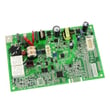
- Control not sending power to the drain pump
| Symptom | What to check first | Model-matched part to consider |
|---|---|---|
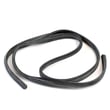
| Hums but drains slowly | Hose and pump inlet for debris | Dishwasher drain hose WD24X10062 |
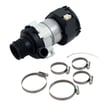
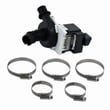
| No drain sound at all | Pump operation and wiring | Drain pump asm WD19X24829 |
| Intermittent drain issues | Drain path plus error indications | GE electronic dishwasher error codes |
Forcing a drain clears standing water so you can safely inspect the sump area and confirm whether the issue is a simple clog or a failed drain pump. Running repeated cycles with water left in the tub can lead to odors and poor cleaning.
Last updated: January 2026
What are the most common problems with GE dishwashers?
The most common problems we see on GE dishwashers like model GDP615HYN0FS are not draining, not cleaning well, leaking, not starting, and not drying. Many of these come from clogs, loading or detergent issues, or a failing wash or drain component such as the pump, spray arms, or door latch.
- Won’t drain: clogged sump area, kinked drain hose, or a weak drain pump
- Dishes still dirty: clogged spray arm holes, low water fill, or circulation/diverter issues
- Leaks: door seal wear, loose hose connections, or a damaged tub gasket
- Won’t start: door not latching, control or user interface problem, or power supply issue
- Not drying: heater problem, rinse aid issues, or cycle selection (air-dry vs heated dry)
- Cancel the cycle and run a drain; listen for the drain pump running.
- Clean the filter area and remove debris from the sump.
- Inspect spray arms for blocked jets and confirm they spin freely.
- Check the door closes firmly and the latch engages.
- Verify the drain hose routing (no kinks; high loop or air gap as required).
If basic cleaning and checks do not help, these model-matched parts are common solutions:
| Problem | Common suspect part | What it affects |
|---|---|---|
| Not cleaning, weak spray | Dishwasher circulation pump WD26X23258 | Wash pressure to spray arms |
| Not draining | Dishwasher drain hose WD24X10062 | Drain flow to disposer/standpipe |
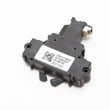
| Won’t start or stops mid-cycle | GE dishwasher door latch lock WD21X10490 | Door-closed safety circuit |
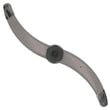
| Poor wash coverage | Dishwasher spray arm, lower WD22X33499 | Lower rack spray pattern |
| Not drying | Dishwasher heating element WD05X35098 | Water heating and drying assist |
A dishwasher that is not draining, not cleaning, or leaking can quickly lead to odor, standing water, and repeat cycle failures. Catching the root cause early (clog vs failing pump vs door latch) prevents unnecessary part replacement and helps restore normal cycle performance.
Last updated: January 2026
How does GE dry boost work?
On the GE GDP615HYN0FS dishwasher, Dry Boost is a drying option that increases drying performance by adding more heat and airflow management near the end of the cycle, so water droplets evaporate faster and dishes come out drier (especially plastics).
- Better drying on plastics, cups, and lightweight containers
- Hotter dishes at the end of the cycle (use care when unloading)
- A longer cycle time compared to standard drying
- Best results when used with rinse aid and proper loading
- Use rinse aid and keep the dispenser filled
- Select a heated drying option (Dry Boost) when available
- Crack the door open 1 to 2 inches after the cycle ends (if your kitchen setup allows)
- Avoid nesting bowls and cups; angle items so water can drain
- Keep spray arms clear so water is removed efficiently during the final rinse
If Dry Boost is on but dishes are still wet, these are the most common issues:
| Symptom | Most likely cause | What to do next |
|---|---|---|
| Plastics still wet | Plastic cools fast and holds droplets | Use rinse aid, improve loading, consider cracking door after cycle |
| Everything wet and cool | Heating problem | Check for heating-related symptoms; consider the dishwasher heating element WD05X35098 |
| Water left on top rack | Weak spray or blocked spray arm holes | Clean spray arm ports; inspect the dishwasher spray arm, lower WD22X33499 |
| Dishes gritty or not clean | Poor wash action can leave water behind | Clean filters and spray arms; review dishwasher not drying dishes video |
Dry Boost works best when the dishwasher can heat the final rinse and move moisture off dish surfaces. Good wash action, correct loading, and a working heating circuit all support faster evaporation and fewer water spots.
Last updated: January 2026
How to clear GE dishwasher error code?
On the GE GDP615HYN0FS dishwasher, most error codes clear after a reset: press and hold Start/Reset for about 3 seconds to cancel the cycle, then let the unit drain and restart a new cycle. If the code returns, address the underlying issue before resetting again.
- Cancel/Reset: Press and hold Start/Reset for ~3 seconds; wait for draining to finish.
- Power reset: Turn the dishwasher off at the breaker for 5 to 10 minutes, then restore power.
- Clear a stuck float: Remove any debris around the float area inside the tub so it can move freely.
- Check the door closure: Make sure the door fully latches; a weak latch can trigger “won’t start” or related faults.
- Run a test cycle: Start a normal cycle and listen for fill, wash, and drain steps.
Recurring codes usually point to a specific system (drain, fill, heating, or control). Use the code to narrow the fix:
| Symptom you notice | Most likely area | Common part to inspect on GDP615HYN0FS |
|---|---|---|
| Won’t start, beeps, door won’t “click” shut | Door latch/strike | GE dishwasher door latch lock WD21X10490 |
| Standing water, won’t drain | Drain path or drain pump | Drain pump asm WD19X24829 |
| Not drying, water stays cool | Heating circuit | Dishwasher heating element WD05X35098 |
| Poor cleaning, weak spray | Spray system or circulation | Dishwasher spray arm, lower WD22X33499 |
Clearing the code without fixing the cause often leads to repeat shutdowns, longer cycle times, and poor cleaning or drying. A quick reset is a good first step, but the best repair is correcting the drain, heat, wash, or door-latch problem that triggered the code.
For code definitions and model-family troubleshooting steps, use GE electronic dishwasher error codes.
Last updated: January 2026





