View engine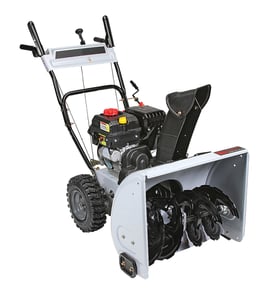



How many years should a snowblower last?
Most gas snowblowers, including the Lawn-Boy 522R, last 10 to 20 years with normal seasonal use and consistent maintenance; heavy use, poor storage, and skipped service can shorten that, while careful upkeep can push lifespan past 20 years.
Typical lifespan (what we see most often)
A snowblower’s life is usually limited by wear in the auger/impeller drive, traction drive, and gearbox components.
| Snowblower use and care | Typical lifespan | What usually fails first |
|---|---|---|
| Light use, stored dry, serviced yearly | 15 to 20 years | Belts, friction/drive wear items |
| Average use, mixed storage habits | 10 to 15 years | Belts, bearings, cables |
| Heavy use, wet storage, infrequent service | 5 to 10 years | Gear case, auger/drive system |
Maintenance that adds the most years
We recommend focusing on the items that prevent rust, fuel problems, and drive wear.
- Change engine oil on schedule and check oil level before each storm.
- Use fresh fuel; stabilize fuel for storage and avoid leaving old gas in the carburetor.
- Inspect and replace worn drive and auger belts (a slipping belt overheats and damages pulleys).
- Keep the auger and chute clear of packed snow; never use hands to clear jams.
- Store the unit dry; touch up chipped paint to reduce corrosion.
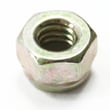
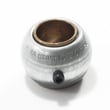
- At season start, check fasteners and wear points; replace damaged hardware like toro snowblower screw 12-3270.
Quick signs your snowblower is nearing end-of-life
These symptoms usually mean the machine needs major repair (or multiple repairs at once).
- Auger or impeller turns slowly even with correct belt tension
- Grinding or popping noises from the gearbox area
- Poor traction or inconsistent drive engagement
- Frequent belt failures or burning rubber smell
- Excessive vibration from worn bearings or bent shafts
Why it matters
A snowblower that is maintained and repaired early costs less over time; replacing a belt or hardware is usually far cheaper than running worn parts until they damage the gear case, auger housing, or drive system.
Last updated: February 2026
How much oil should I put in my snowblower?
Most gas snowblowers like the Lawn-Boy 522R take about 18 to 28 oz of engine oil, but the correct fill level is always the dipstick “FULL” mark with the machine on a level surface. Add oil slowly and stop as soon as the dipstick reads full.
How to fill the oil correctly (no guessing)
- Park the snowblower on a flat, level surface and let the engine cool.
- Remove the dipstick, wipe it clean, then reinsert it fully to get an accurate reading.
- Add oil in small amounts (a few ounces at a time).
- Recheck the dipstick after each top-off until it reaches the full mark.
- Do not overfill; too much oil can cause smoking, hard starting, and seal leaks.
What oil weight should I use?
Oil choice depends on temperature. For most snowblower use, multi-viscosity oil is common.
| Outdoor temperature | Typical oil grade | Why it’s used |
|---|---|---|
| Below 32°F | 5W-30 | Easier cold starts and better cold-flow |
| Around 32°F and above | SAE 30 | Stable viscosity in warmer conditions |
Quick capacity guide (typical ranges)
Use this as a starting point only; the dipstick is the final authority.
- Small engines: 12 to 18 oz
- Many mid-size snowblower engines: 18 to 28 oz
- Larger engines: 20 oz and up
Why it matters
Correct oil level protects the crankshaft, piston, and bearings from wear. Running low accelerates engine damage; overfilling can aerate the oil and reduce lubrication.
If you are also doing seasonal maintenance, replace any missing hardware (for example a switch key 40-5940) so the ignition system works as designed.
Last updated: February 2026
How much should I pay for a snowblower?
Most homeowners pay about $300 to $2,000+ for a snowblower; the right budget depends on snowfall depth, driveway size, and whether you want electric convenience or gas power. For a Lawn-Boy 522R gas snowblower, plan on the mid-to-higher end when you need strong performance in deeper or wetter snow.
Typical price ranges by snowblower type
Use these ranges to set expectations before you compare clearing width, intake height, and drive system.
- Corded electric (single-stage): about $120 to $300
- Battery electric (single-stage or light two-stage): about $250 to $2,000
- Gas single-stage: about $200 to $800
- Gas two-stage: about $800 to $2,000+
- Gas three-stage or track drive: about $1,500 to $3,000+
| If your snow is usually... | Best match | What you typically pay |
|---|---|---|
| Light, under ~6 inches | Corded or battery single-stage | Lower cost, simplest ownership |
| Moderate, 6 to 12 inches | Gas single-stage or small two-stage | Mid-range |
| Heavy, 12+ inches or plow berms | Gas two-stage, three-stage, or track drive | Higher cost |
What changes the price the most
These factors move the price more than brand name alone.
- Stage and drive system: two-stage and track drive cost more than single-stage
- Engine size and build: heavier-duty auger and impeller systems raise price
- Clearing width and intake height: larger housings cost more to build and maintain
- Convenience features: electric start, heated grips, power steering, LED lights
- Condition (used units): worn belts, bearings, and gear cases add immediate cost
Why it matters for Lawn-Boy 522R owners
The best deal is the lowest total cost of ownership. If a used machine needs common wear items such as a [belt 37-9090] or a [toro snowblower bearing assembly 12-8789], the purchase price should be lower to cover parts and repair time.
Last updated: February 2026
What is the best snow blower for the money?
The best snow blower for the money is the one that matches your snowfall depth and the size of the area you clear; for most homeowners, a 2-stage gas snowblower is the best value because it handles plow-packed snow and throws snow farther than most single-stage machines. For Lawn-Boy model 522R, repairing common wear items can also be the most cost-effective “best value” choice.
Quick value picks by situation
- Light snow (up to about 6 inches) and small areas: single-stage gas or cordless single-stage
- Mixed conditions and typical driveways: 2-stage gas (best overall value for most)
- Heavy, wet snow and long driveways: larger 2-stage gas with strong traction and higher intake height
- Tight storage space: narrower clearing width and compact handle design
- Noise-sensitive areas: cordless (battery) models for shorter runs
What to compare before you buy
| What you’re comparing | Best “value” target | Why it matters |
|---|---|---|
| Clearing system | 2-stage for most homes | Better in deep and packed snow |
| Clearing width | 24 to 28 inches | Faster clearing without being too bulky |
| Drive system | Self-propelled, multiple speeds | Less effort, better control |
| Chute control | Glove-friendly controls | Faster aiming, fewer clogs |
| Serviceability | Common wear parts | Lower long-term cost |
Why repairing your current 522R can be the best value
If your Lawn-Boy 522R starts but does not move or does not throw well, the issue is often a normal wear component in the auger/drive system. For example, a worn or damaged toro snowblower worm gear 5-7180 can cause binding, grinding, or loss of auger drive depending on the gearcase design.
Common “value-killer” symptoms to fix first
- Auger or impeller does not spin under load
- Poor throwing distance or frequent clogging
- Grinding, clicking, or binding noises from the front housing
- Machine drives poorly or feels inconsistent under load
Why it matters
Choosing the right stage and size prevents overbuying, and keeping a working gas snowblower like the 522R running with the right parts often delivers the lowest cost per season.
Last updated: February 2026
What month do snow blowers go on sale?
Snow blowers go on sale most often in late winter through early spring (February to April) during clearance, and again in early fall (September to October) during early-season promotions. For the Lawn-Boy 522R, those windows usually give the best mix of price and availability.
Best months to buy (and what to expect)
- February to April: Deepest clearance discounts on remaining inventory.
- September to October: Early-season sales with the best selection.
- November (Black Friday/Cyber Week): Strong promotions, but popular units can sell out.
- December to January: Peak demand; prices are typically highest.
- Late season: Great deals, but fewer choices and more out-of-stock situations.
Quick comparison: price vs. selection
| Time of year | Typical price level | Typical selection | Best for |
|---|---|---|---|
| Feb to Apr | Lowest | Low to medium | Lowest cost, clearance buys |
| Sept to Oct | Medium to low | High | Best overall balance |
| Nov | Medium | Medium | Deal events |
| Dec to Jan | Highest | Medium to low | Urgent replacement |
How we recommend timing your purchase
- Buy September to October if you want the widest selection and time for delivery.
- Buy February to April if you want the lowest price and can accept limited choices.
- If your current unit is unreliable, buy before the first storm and consider stocking a common wear item such as a spare worm gear 5-7180 so you avoid downtime mid-season.
Why it matters
Snowblower pricing follows weather-driven demand. Buying outside peak winter demand helps you avoid limited inventory, shipping delays, and premium pricing, especially when you also need maintenance parts.
Last updated: February 2026