


Can a clogged drain cause an FTD error?
Yes. On a GE PDW9280J00SS dishwasher, an FTD (fail to drain) error commonly happens when water cannot leave the tub because the drain path is restricted, such as a clogged filter, blocked drain hose, or debris in the sump area.
What to check first (fast, no-parts steps)
- Cancel the cycle and let the unit attempt a drain; listen for the drain pump running.
- Remove standing water (if needed) so you can inspect the bottom of the tub safely.
- Clean the filter area and remove any labels, glass, seeds, or food debris.
- Check for a kinked, crushed, or clogged drain hose run under the sink.
- If the hose connects to a garbage disposal, make sure the disposal inlet is clear.
Parts that commonly fix an FTD (fail to drain)
If cleaning does not restore draining, these model-matched parts are the most common next suspects:
| Symptom | Most likely area | Model-matched part to consider |
|---|---|---|
| Pump hums but little or no water exits | Drain pump jammed or weak | Dishwasher drain pump WD26X10016 |
| Slow drain, debris keeps returning | Filter restricted or damaged | Dishwasher filter WD12X10109 |
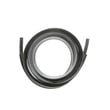
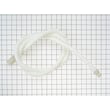
| Drains sometimes, then stops | Hose partially blocked or collapsing | Dishwasher drain hose WD24X10014 |
Why it matters
A clogged drain forces dirty water to stay in the tub, which can trigger repeated FTD errors, leave dishes dirty, and strain the drain pump over time. Clearing the restriction early prevents repeat failures.
Helpful DIY reference
If you want a step-by-step checklist for diagnosing the drain path, use our dishwasher not draining video.
Last updated: February 2026
What is the most common problem with a GE dishwasher?
The most common problem we see with GE dishwashers like model PDW9280J00SS is a drain-related issue: water stays in the tub because the filter, drain hose, or drain pump is restricted. A close second is a “won’t start” complaint caused by a door latch or float safety issue.
Most common symptoms and what they usually point to
- Standing water after the cycle: clogged filter, kinked hose, or weak drain pump
- Hums but won’t drain: debris in the pump or a failing pump motor
- Won’t start at all: door not fully latched, keypad/control issue, or float stuck “up”
- Poor cleaning: spray arm blockage, low water fill, or a dirty filter
- Intermittent stopping: control or keypad input problems
Quick checks we recommend first (fast, no parts guessing)
- Cancel and drain; listen for the drain pump running.
- Check the tub filter area and remove food debris (common cause of slow draining).
- Inspect the drain path for kinks or clogs, especially the dishwasher drain hose WD24X10014.
- Lift and release the float; it should move freely. If it sticks, the dishwasher may not fill or may stop.
- Look for error indications and match them to GE troubleshooting steps in GE electronic dishwasher error codes.
Common fixes and the parts that match the symptom
| Symptom | Most likely area | Part that often solves it (when failed) |
|---|---|---|
| Water won’t drain | Drain path or pump | Dishwasher drain pump WD26X10016 |
| Slow drain | Hose restriction | Dishwasher drain hose WD24X10014 |
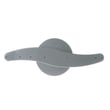
| Poor wash coverage | Spray system | Dishwasher spray arm WD22X10047 |
| Won’t fill or overfills | Float stuck or obstructed | Dishwasher float assembly WD12X10047 |
| Grit, odors, redeposit | Filtration | Dishwasher filter WD12X10109 |
Why it matters
Drain and fill problems can trigger safety shutoffs, leave dirty water in the sump, and reduce wash pressure. Fixing restrictions early helps protect the pump and motor assembly and improves cleaning and drying performance.
Last updated: February 2026
What is the life expectancy of a GE PDW9280J00SS dishwasher?
A GE PDW9280J00SS dishwasher typically lasts 10 to 12 years. With consistent cleaning, correct detergent use, and quick fixes for leaks or draining problems, many dishwashers reach the upper end of that range before major parts wear out.
Typical lifespan and what affects it
Most dishwashers fall into a predictable lifespan range; the biggest difference is how hard the unit works and how clean the wash system stays.
- Usage frequency: 1 load/day lasts longer than 2 to 3 loads/day
- Water quality: hard water speeds up mineral buildup in the sump and spray system
- Maintenance: a clean filter and clear spray arm prevent pump strain
- Loading habits: blocked spray paths reduce cleaning and increase run time
- Small leaks: door seal or hose leaks can cause corrosion and electrical issues
Maintenance that extends life (high impact)
These steps reduce wear on the pump, motor, and drain system.
- Clean the filter regularly; replace it if damaged (see dishwasher filter WD12X10109)
- Check the spray arm for clogs and cracks; replace if it stops spinning freely (see dishwasher spray arm WD22X10047)
- Keep the drain path clear; inspect for kinks or soft spots (see dishwasher drain hose WD24X10014)
- Watch for slow draining or standing water; address early (see dishwasher drain pump WD26X10016)
- Inspect the door sealing surfaces and gasket for tears or flattening (see trim gasket WD08X10055)
Quick guide: symptom to likely wear area
| Symptom | Common cause | Parts to check |
|---|---|---|
| Not draining | Clog, weak pump, kinked hose | Drain hose, drain pump, filter |
| Poor cleaning | Clogged spray arm, restricted filter | Spray arm, filter |
| Leaks at door | Worn seal, debris on sealing surface | Trim gasket |
| Long cycles or odd stops | Control or sensing issues | Filter, wash system, control board |
Why it matters
Dishwashers usually do not fail all at once; they lose performance first. Keeping the filter, spray arm, and drain system in good shape helps the pump and motor avoid overload, which is what typically drives expensive repairs.
Last updated: February 2026
Is GE PDW9280J00SS considered high end?
GE PDW9280J00SS is generally considered a premium, higher-end GE dishwasher compared with basic GE models, but it is not in the luxury tier. In practical terms, it is built and priced for customers who want upgraded performance and features versus entry-level dishwashers.
What “high end” means for this GE dishwasher
Within the GE lineup, “high end” usually means better wash performance, quieter operation, and more feature-focused design than basic models.
Common high-end expectations include:
- Quieter sound levels (better insulation and motor design)
- More wash options and better soil handling
- Improved drying performance (often with a fan or enhanced venting)
- More durable racks and better loading flexibility
- More electronic controls and diagnostics
Quick comparison: where it typically fits
Because we do not have model-line documentation for PDW9280J00SS on this page, we use typical GE dishwasher tiering to set expectations.
| Tier | What you typically get | Where PDW9280J00SS fits |
|---|---|---|
| Entry-level | Basic cycles, louder operation, fewer options | Not typical |
| Premium (upper mainstream) | Better cleaning, quieter, more options | Most likely |
| Luxury | Top-tier materials, flagship features, highest pricing | Not typical |
Why it matters
Knowing the tier helps you decide whether to repair or replace. Premium dishwashers are often worth repairing when the issue is isolated to a serviceable part (drain, fill, sealing, or wash action) instead of a major electronic or motor failure.
Parts that commonly restore “high-end” performance
If your PDW9280J00SS is not cleaning, draining, or sealing like it used to, these model-matched parts are often involved:
- Dishwasher filter WD12X10109 (clogging can reduce wash performance)
- Dishwasher spray arm WD22X10047 (blocked jets reduce coverage)
- Dishwasher drain pump WD26X10016 (weak draining can leave dirty water)
- Trim gasket WD08X10055 (leaks and poor sealing affect results)
For troubleshooting steps and symptom-based guidance, we recommend starting with GE dishwasher error codes.
Last updated: February 2026





