Installation guide
 Owner’s manual


How to hard reset a whirlpool dryer?
For the Whirlpool WGD9270XW0 gas dryer, a hard reset is a power reset: disconnect power (unplug or switch the breaker off) for about 1 minute, then restore power and try starting a cycle again. This clears many temporary control glitches and “PF” (power failure) interruptions.
Recommended reset steps (WGD9270XW0)
- Turn the dryer OFF.
- Unplug the dryer (or turn the circuit breaker OFF).
- Wait 1 minute.
- Restore power.
- Select a cycle and press and hold START/PAUSE (large loads may need a firm press for 2 to 5 seconds).
- If the display shows PF, press and hold START/PAUSE to restart the cycle.
If it still will not start after a reset
Control issues are often caused by a lock setting, door switch, or power supply problem.
- Make sure the door is fully closed and latched.
- If Control Lock is on, press and hold SIGNAL for 3 seconds to unlock.
- Check the home electrical supply; some installations use more than one fuse or breaker.
- If the dryer stops but will not restart, unlock Control Lock first, then start again.
Quick checks table
| Symptom | What it usually means | What we do next |
|---|---|---|
| “PF” on display | Power was interrupted | Press and hold START/PAUSE |
| Buttons do not respond | Control Lock enabled | Hold SIGNAL 3 seconds |
| Dryer will not run | Door not closed or Start not held | Close door; hold START/PAUSE 2 to 5 seconds |
Why it matters
A power reset is the safest first step because it can restore normal operation without replacing parts. If the dryer repeatedly loses power or shows recurring service codes, the issue is usually in the power supply, wiring, or an internal component.
For model-specific control features and troubleshooting steps, follow the WGD9270XW0 owner's manual.
Last updated: January 2026
Is 7.4 cubic feet big for a dryer?
Yes. A 7.4 cu. ft. drum is considered large capacity for a Whirlpool 27-inch gas dryer like model WGD9270XW0, and it is sized to handle bigger loads and bulky items with fewer cycles. Use the WGD9270XW0 owner's manual to confirm cycle recommendations for bulky loads.
What “large capacity” means in real use
A 7.4 cu. ft. dryer typically helps when you want to dry more at once without overloading the drum.
- Handles larger mixed loads (towels, jeans, sweatshirts) more comfortably
- Better for bulky items (comforters, blankets) when loaded loosely
- Fewer loads per week for families
- Less wrinkling than an overstuffed smaller drum
- More consistent sensor drying when airflow is not restricted
Typical dryer capacity comparison
| Dryer capacity | Common label | Best for |
|---|---|---|
| 5.0 to 6.0 cu. ft. | Standard | Singles, couples, smaller loads |
| 6.1 to 7.0 cu. ft. | Large | Regular family laundry |
| 7.1 cu. ft. and up | Extra-large | Bulky items, larger households |
Getting the best performance from a large drum
Capacity only helps if the dryer can tumble and vent properly.
- Do not pack the drum tight; leave space for tumbling
- Clean the lint screen every load
- Use rigid or flexible metal venting (not plastic or foil)
- Keep vent runs short and avoid kinks or sagging
- If sensor cycles seem inconsistent, reduce load size and improve airflow
Why it matters
A larger drum can save time and energy by reducing the number of loads, but overloading still causes longer dry times, more wrinkles, and extra wear on parts like the belt, idler pulley, and drum support rollers.
Last updated: January 2026
What is the most common problem with whirlpool dryers?
For Whirlpool dryers like model WGD9270XW0, the most common problems are no heat, won’t start, and loud thumping/squealing. In many homes, the root cause is restricted airflow (lint buildup or a blocked vent), which leads to long dry times, overheating, and safety shutoffs.
Most common symptoms and what usually causes them
- Dryer won’t run: door not fully closed, Start/Pause not pressed long enough, or a tripped breaker/blown fuse
- No heat (gas dryer): ignition system or gas valve components not opening consistently
- Long dry times or load feels too hot: lint screen clogged, vent restriction, or airflow problem
- Unusual sounds: items caught at drum edges, dryer not level, or worn drum support parts
- Intermittent operation or error codes: power interruption (PF) or a service code (F# E#)
For model-specific operating and troubleshooting checks, follow the steps in the WGD9270XW0 owner's manual.
Quick checks we recommend first (fast, high-impact)
- Clean the lint screen before every load.
- Confirm the door is firmly closed and press and hold Start/Pause for 2 to 5 seconds on large loads.
- Check household power: many dryers use more than one fuse/breaker; reset any tripped breakers.
- Inspect airflow: make sure the exhaust duct is not crushed, kinked, or packed with lint.
- Listen for mechanical noise: squealing or rumbling often points to drum support wear.
Common “noise” parts on this model
If your WGD9270XW0 squeals, thumps, or rumbles, these are frequent wear items:
| Symptom | Common wear area | Example part for WGD9270XW0 |
|---|---|---|
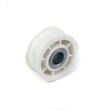
| Squealing | Idler pulley | Dryer idler pulley 279640 |
| Thumping/rumbling | Drum support rollers | Dryer drum support roller WPW10314173 |
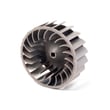
| Air roar or vibration | Blower wheel | Dryer blower wheel WP697772 |
Why it matters
Airflow and support components affect drying performance, safety, and noise. Keeping the lint screen and venting clear helps prevent overheating, reduces dry time, and lowers strain on parts like the blower wheel, motor, and drum support system.
Last updated: January 2026
What is the average lifespan of a whirlpool dryer?
Most Whirlpool dryers, including the Whirlpool WGD9270XW0 27-inch gas dryer, typically last 10 to 13 years with normal household use. Consistent airflow maintenance (lint screen and venting) and avoiding chronic overloading are the biggest factors that help a dryer reach the upper end of that range.
What affects dryer lifespan the most
- Airflow and lint control: Clean the lint screen every load and keep the exhaust vent clear.
- Load size and balance: Repeated overloading strains the drive motor, belt, and drum support system.
- Heat system health (gas models): Weak ignition or cycling heat can increase run time and wear.
- Noise and vibration: Squealing or thumping often points to wear parts that should be addressed early.
- Electrical reliability: Loose connections and damaged wiring can cause intermittent operation.
Common wear parts that can shorten life if ignored
If your WGD9270XW0 starts getting noisy, takes longer to dry, or stops mid-cycle, these are frequent culprits:
| Symptom | Often related to | Example part for this model |
|---|---|---|
| Squealing, rumbling | Drum support wear | Dryer drum support roller WPW10314173 |
| Thumping, poor tumbling | Drum support or drum issues | Drum W10865330 |
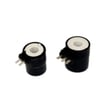
| No heat or heat cuts out | Ignition or gas valve coils | Dryer gas valve coil kit 279834 |
| Long dry times, weak airflow | Blower wheel or duct restriction | Dryer blower wheel WP697772 |
Maintenance checklist (simple, high impact)
- Clean the lint screen and confirm it is seated correctly each load.
- Inspect and clean the vent path periodically; keep the vent run short and not crushed.
- Level the dryer so the drum rides evenly on support rollers.
- Address new noises early; replacing wear parts is usually easier than waiting for a breakdown.
- Follow the care and use guidance in the WGD9270XW0 owner’s manual.
Why it matters
A dryer that is struggling for airflow or running with worn drum support parts runs hotter and longer than it should. That extra run time accelerates wear on the motor, belt path, and gas heat components, reducing overall service life.
Last updated: January 2026