

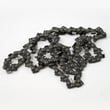

What are the common problems with Poulan chainsaws?
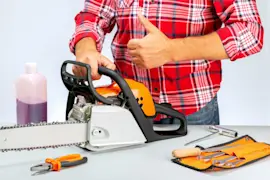
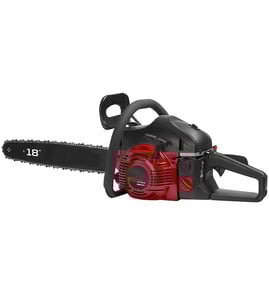
Poulan PRO-325 chainsaw problems most often come from fuel and air delivery issues after storage (stale fuel, clogged carburetor passages, cracked fuel lines), plus bar-and-chain oiling problems and ignition wear. We typically start diagnosis with fuel freshness, spark, and whether the chain is getting oil.
Most common issues we see
- Won’t start or only starts on choke: stale fuel, dirty carburetor, air leak, weak spark
- Starts then dies at idle: carburetor out of adjustment, clogged screen, air leak
- Runs rough or lacks power: restricted exhaust, dirty air filter, fuel restriction
- Chain not oiling: empty oil tank, clogged pickup/filter, blocked oil port
- Chain keeps loosening or cuts crooked: worn bar/chain, improper tension, dull cutters
Quick checks you can do first (5 to 10 minutes)
- Drain old fuel and refill with fresh, properly mixed 2-cycle fuel
- Inspect fuel lines in the tank area for cracks, softness, or loose connections
- Check spark plug condition and gap; replace if fouled
- Confirm the chain brake is fully released before testing
- Verify bar oil level and look for an oil line on cardboard after a short run
Parts that commonly solve oiling and running complaints
If the chain is not getting oil, the oil pickup filter is a frequent culprit on saws like the PRO-325.
| Symptom | What it usually points to | Example part to inspect/replace |
|---|---|---|
| Chain looks dry, bar gets hot | Oil pickup restriction | Oil filter 530056533 |
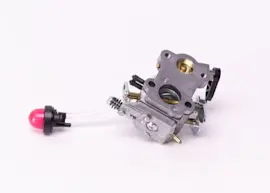
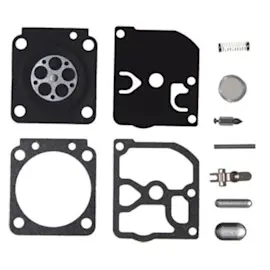
| Runs lean, surges, won’t idle | Air leak or carburetor diaphragm issue | Gasket kit 530069844 |
| Chain derails or feels unsafe | Chain control damage | Chain catcher 501686801 |
Why it matters
Fuel problems can damage the carburetor and make starting unpredictable, while oiling problems can quickly overheat the bar and chain. Catching these early helps prevent expensive wear to the clutch, bar, and cutting chain.
For step-by-step troubleshooting, we use resources like tips for a hard to start chainsaw and chainsaw runs rough to match symptoms to the most likely causes.
Last updated: January 2026
What does 325 mean on a chainsaw?
On a Poulan PRO-325 chainsaw (model PRO-325), “325” is the model identifier, not the chain size. Chain size is usually described by pitch (such as .325 in or 3/8 in), gauge, and drive link count, which are separate from the saw’s model number.
How to tell if “.325” is chain pitch (and not the model)
Look for “.325” in places that describe the cutting system, not the engine or model label.
- Check the bar stamping near the mounting slot; it often lists pitch and gauge.
- Look at the chain packaging for pitch, gauge, and drive links.
- Compare the chain to the bar spec; pitch and gauge must match.
- If the chain does not fit the bar groove cleanly, the gauge is likely wrong.
- If the chain rides high or binds on the sprocket, the pitch is likely wrong.
Common chain terms (quick reference)
| Term | What it means | Why it matters |
|---|---|---|
| Pitch (.325, 3/8) | Spacing of the chain’s drive links | Must match the drive sprocket and bar nose sprocket |
| Gauge (.050, .058, etc.) | Thickness of the drive link | Must match the bar groove width |
| Drive links (DL) | Number of drive links | Determines chain length for your bar |
Why it matters
Ordering the wrong pitch or gauge can cause poor cutting, thrown chains, or damage to the bar and sprocket. When you are troubleshooting cutting performance, also confirm the oiler is working and the chain is properly tensioned.
Helpful related resources
- Use our how to sharpen a chainsaw guide to confirm cutter sharpness and filing angles.
- If the chain is not getting oil, inspect the oil pickup and consider replacing the oil filter 530056533.
Last updated: January 2026
What size file for a 325 chainsaw?
For a Poulan PRO-325 chainsaw, the file size depends on the chain’s pitch, not the model name; most .325-pitch chains use a 3/16-in (4.8 mm) round file to match the cutter gullet and restore the cutting edge correctly.
Confirm the chain before you buy a file
Even on the PRO-325, bars and chains can be swapped, so we recommend confirming what’s actually installed.
- Look for the pitch stamped on the guide bar (often near the mounting slot).
- Check the chain package (pitch and gauge are usually printed).
- Count drive links only if you are matching a replacement chain length.
- If cutters look “hooked” after sharpening, the file is often too small.
- If the file rides too high and barely bites, the file is often too large.
Quick file size guide (most common)
| Chain pitch | Typical round file size | What it affects |
|---|---|---|
| 3/8-in low profile | 5/32-in (4.0 mm) | Common on smaller homeowner saws |
| .325-in pitch | 3/16-in (4.8 mm) | Common on mid-size saws |
| 3/8-in standard | 7/32-in (5.5 mm) | Common on larger saws |
Why it matters
Using the correct round file size helps you keep the cutter’s working corner sharp and the gullet shape correct. That means faster cutting, less pushing, and less heat and wear on the bar, chain, and clutch.
Related DIY help
If the saw still cuts poorly after sharpening, use our troubleshooting steps in chainsaw care and troubleshooting tips.
Last updated: January 2026