Error Codes


What brand of refrigerator has the least problems?
GE, Whirlpool, and Bosch tend to have the fewest problems overall, especially in simpler, less feature-heavy models. Since you’re shopping parts for a GE GSS25LSPABS side-by-side refrigerator, sticking with a mainstream brand like GE also helps because parts support and service coverage are typically strong.
What usually makes one brand “more reliable”
Reliability is less about a logo and more about design complexity and parts availability. In general, basic configurations with fewer electronics and fewer dispenser features have fewer failure points.
- Fewer features usually means fewer repairs (dual ice makers, door-in-door, complex displays)
- Strong parts availability reduces downtime when something does fail
- Proven cooling system design matters more than cosmetic features
- Consistent water quality and filter changes help prevent dispenser and ice issues
- Regular cleaning (coils, door seals) reduces strain on the compressor and fans
Practical buying guidance (what we recommend)
If “least problems” is your top priority, we recommend comparing models using these criteria:
| What to compare | Lower-problem choice | Why it helps |
|---|---|---|
| Ice maker setup | Single, standard ice maker | Fewer moving parts and less freezing/clogging risk |
| Water system | Easy filter access and common filter | Encourages on-time filter changes |
| Controls | Basic temperature controls | Fewer board and sensor-related failures |
| Parts support | Widely stocked parts | Faster, cheaper repairs |
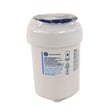
For GE side-by-side units like GSS25LSPABS, staying current on water filtration is one of the simplest ways to reduce nuisance problems with taste/odor, slow dispensing, and ice quality. A common replacement is the refrigerator water filter MWFP.
Why it matters
Even the most reliable refrigerator brand will have issues if airflow is restricted, doors do not seal, or the water system is neglected. Choosing a reliable brand plus doing simple upkeep usually beats buying the most feature-packed model.
Last updated: January 2026
What is the average lifespan of a GE refrigerator?
Most GE refrigerators, including the GE GSS25LSPABS side-by-side, typically last 12 to 16 years, with 10 to 20 years being a common overall range. Regular maintenance and quick repairs (especially for cooling and defrost issues) are what most often determine where your refrigerator lands in that range.
What affects lifespan the most
- Condenser coil cleanliness (dust buildup makes the compressor work harder)
- Door seal condition (air leaks cause longer run times and temperature swings)
- Defrost system health (prevents frost buildup that blocks airflow)
- Ice maker and dispenser use (more moving parts, more wear)
- Water system upkeep (filters and valves that restrict flow can strain components)
Maintenance that helps you reach the high end of the range
- Vacuum and brush the condenser area every 6 to 12 months
- Keep freezer vents clear so the evaporator fan can move air
- Replace the water filter on schedule; for this model, use the refrigerator water filter MWFP
- Watch for early cooling symptoms (warm fridge, soft ice, long run times) and address them promptly
- Confirm doors close fully and the gasket seals all the way around
Common “life-extending” repairs for this model family
| Symptom | Often involved system | Example part for GSS25LSPABS |
|---|---|---|
| Frost buildup, warm fresh food section | Defrost system | Refrigerator defrost heater WR51X10055 |
| Temps swing or don’t match settings | Temperature sensing/control | GE profile refrigerator temperature sensor WR55X10025 |
| No ice or intermittent ice production | Ice maker/water supply | Refrigerator ice maker WR30X10093 |
Why it matters
A refrigerator that runs longer to hold temperature uses more energy and puts extra wear on the compressor, fans, and control board. Simple upkeep (coils, seals, filter changes) is the most reliable way to extend service life and avoid expensive cooling-system repairs.
Last updated: January 2026
What is the most common problem with a GE refrigerator?
Cooling problems are the most common issue we see in GE refrigerators, including the GE GSS25LSPABS. The usual causes are restricted airflow (dirty condenser coils), a defrost system failure that lets frost block the evaporator, or a failed fan or control that stops cold air from circulating.
Most common causes to check first
- Condenser coils are clogged with dust, causing poor heat release and warm temperatures.
- Freezer evaporator is packed with frost (defrost heater or defrost thermostat problem).
- Evaporator fan is not running, so cold air does not move into the fresh food section.
- Temperature sensor is out of range, so the control does not regulate cooling correctly.
- Door gasket is leaking, letting warm, humid air in and creating frost and temperature swings.
Quick troubleshooting steps (in order)
- Confirm settings: freezer near 0°F and fresh food near 37°F.
- Clean condenser coils and make sure the condenser fan area is clear.
- Listen for the evaporator fan in the freezer; it should run when the compressor is running.
- Check for heavy frost on the freezer back panel (a strong sign of a defrost problem).
- If water dispensing or ice making is also weak, check for a restricted filter.
Common symptoms and likely parts
| Symptom | Most likely system | Example part for GSS25LSPABS |
|---|---|---|
| Fresh food warm, freezer cold | Airflow/evaporator fan | Refrigerator evaporator motor WR60X10307 |
| Frost buildup, warming over days | Defrost system | Refrigerator defrost heater WR51X10055 or refrigerator defrost thermostat WR50X10068 |
| Temps swing, inconsistent cooling | Sensing/control | GE profile refrigerator temperature sensor WR55X10025 |
| Warm temps plus water leaks at door | Door sealing | Refrigerator door gasket WR24X10155 |
| Poor water flow, slow ice production | Water filtration | Refrigerator water filter MWFP |
Why it matters
Cooling issues can look like a “bad compressor,” but many GE side-by-side problems start with airflow, defrost, or sensing. Catching those early helps prevent food spoilage and reduces strain on the compressor and main board.
Last updated: January 2026