Owner’s manual
 Error Codes



How many years should a GE washing machine last?
A GE washing machine typically lasts 10 to 14 years. For your GE GFWS1700H0WW washer, lifespan depends most on weekly load volume, proper loading, and routine care like cleaning and replacing wear items on schedule (see the owner's manual).
Most washers reach their full life when they are installed correctly, kept level, and maintained.
- Light to average use (3 to 5 loads/week): often reaches the full 10 to 14 years
- Heavy use (daily loads, large households): wear happens faster
- Hard water: increases buildup and can shorten component life
- Overloading: strains the drive system, tub support, and suspension
- Poor draining: can overwork the drain pump and leave odors behind
These are the habits that most directly reduce breakdowns in front-load washers like the GFWS1700H0WW.
- Replace water supply hoses about every 5 years and turn off faucets when not in use (per the manual)
- Keep the door slightly open between loads to reduce moisture and odor
- Run a monthly cleaning cycle (or a hot cycle with washer cleaner) to reduce residue
- Use the right amount of HE detergent; too much causes buildup and poor rinsing
- Check and clean the drain pump filter if you notice slow draining or standing water
If the washer starts vibrating, leaking, or failing to drain, these model-matched parts are common fixes.
| Symptom | Common cause | Example part for GFWS1700H0WW |
|---|---|---|
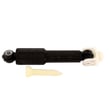
| Loud banging, walking, heavy vibration | Worn suspension/dampening | GE washer shock absorber WH01X20826 |
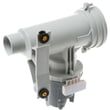
| Won’t drain, drains slowly, water left in tub | Clogged filter or failing pump | Washer drain pump filter WH11X34741 or pump WH11X34740 |
| Door won’t lock or cycle won’t start | Door lock system wear | Washer door lock WH10X20821 or washer door lock strike WH01X20823 |
A washer that is kept level, drains freely, and stays clean puts less stress on the drive belt, motor, tub, and door boot. That reduces repeat repairs and helps your GE washer reach its expected service life.
You can also order model-correct replacement parts from the parts list for GFWS1700H0WW, or search by model on Sears PartsDirect.
Last updated: February 2026
What brand is best for front load washers?
For front load washers, we recommend choosing a brand with a strong track record for reliability, parts availability, and consistent cleaning performance; LG, GE, and Speed Queen are commonly top-rated. If you already own a GE GFWS1700H0WW, keeping it level, using HE detergent, and maintaining the pump filter helps it perform at its best.
- Reliability history: fewer breakdowns over time (motor, drain system, door lock)
- Serviceability: common parts like a drain pump, door lock, and belt are replaceable
- Cleaning performance: good soil removal with HE detergent and proper load sizing
- Vibration control: strong suspension design and easy leveling
- Long-term upkeep: easy access to routine maintenance items (like a pump filter)
Even the “best” brand can seem bad if setup and maintenance are off. For this GE front load washer, the manual highlights a few key truths:
- You often will not see a visible water line on the door glass during normal cycles.
- HE detergent is required; too much detergent can cause oversudsing and residue.
- Cycles may add time to rebalance loads and reduce vibration.
- A pump filter needs periodic cleaning; clogs can contribute to long cycles and draining issues.
For model-specific use and care details, follow the owner's manual.
| Brand | Typical strengths in front load washers | Best for |
|---|---|---|
| LG | Feature set, strong cleaning, frequent high ratings | Value plus performance |
| GE | Solid mainstream reliability, good parts support | Balanced ownership cost |
| Speed Queen | Heavy-duty build, simpler designs | Long-term durability |
When a washer won’t drain, won’t spin, or won’t start, the fix is often a common wear item. For the GFWS1700H0WW, examples include the pump WH11X34740 and the washer drain pump filter WH11X34741. You can order replacement parts from the parts list for this model, or search by model number on Sears PartsDirect.
A “best brand” choice is really a mix of performance plus ownership experience; easy maintenance (HE detergent use, load balance, pump filter cleaning) and available replacement parts keep a front load washer running smoothly for years.
Last updated: February 2026
What is the details of GE GFWS1700H0WW 27 inch 4.3 cu ft front load washer?
The GE GFWS1700H0WW is a 27-inch front-load washer in the GFWS1700 series with steam capability and a Time Saver-style control panel; it is designed to use less water than a top-load washer and may rebalance loads during spin to reduce vibration. For the exact feature set and cycle options for your unit, use the GFWS1700H0WW owner's manual.
- Type: GE front-load washer (horizontal-axis)
- Size class: 27-inch platform (common for this series)
- Operation notes: The door may lock and unlock during startup system checks; this is normal
- Water use: You often will not see a visible water line on the door glass during most cycles
- Cycle timing: The washer can add time to rebalance the load and reduce vibration
Front-load washers like the GE GFWS1700H0WW behave differently than top-load models. Our manual guidance for this series highlights these normal behaviors:
- Startup includes a brief system check (about 30 seconds) and the door can lock and unlock
- Time remaining can increase during spin if the washer redistributes the load
- Small or single-item loads can trigger out-of-balance corrections
Some specifications vary by configuration within the GFWS1700 family. Use the manual for the exact numbers for your washer.
| Spec item | What’s typical for this model class | Where to confirm |
|---|---|---|
| Width | About 27 inches | GFWS1700H0WW owner's manual |
| Capacity | Often listed around 4.3 cu. ft. for this platform | GFWS1700H0WW owner's manual |
| Spin speed | High-speed spin (varies by cycle) | GFWS1700H0WW owner's manual |
| Special features | Steam options on GFWS1700 series | GFWS1700H0WW owner's manual |
Knowing how this GE front-load washer is supposed to look and sound in normal operation helps you avoid unnecessary part replacements. For example, longer cycle times are often caused by load rebalancing, an unlevel washer, or a clogged pump filter, not a failed motor.
If you are researching parts while reviewing specs, these are common items tied to vibration, draining, and door operation:
- GE washer shock absorber WH01X20826
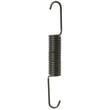
- Washer suspension spring WH05X10012
- Pump WH11X34740
- Washer drain pump filter WH11X34741
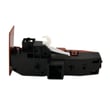
- Washer door lock WH10X20821
If you need to order replacement parts for GE GFWS1700H0WW, use the parts list for this model or search by model number on Sears PartsDirect.
Last updated: February 2026