



Who makes the KitchenAid microwave?
KitchenAid microwaves (including model KMBP100ESS03) are made under the KitchenAid brand, which is owned by Whirlpool Corporation. That means Whirlpool is the parent company behind KitchenAid’s built-in microwave product line.
What that means for parts and service
When you’re shopping parts for a KitchenAid built-in microwave, you’ll often see Whirlpool-manufactured components and part numbering conventions.
- Use the full model number KMBP100ESS03 when matching parts.
- Expect many internal components (controls, switches, high-voltage parts) to be Whirlpool-sourced.
- Order by part ID to avoid mix-ups between similar-looking parts.
- If the microwave has door or heating issues, start with the most common wear and safety-interlock items.
Common parts you may see on this model
Here are examples of parts listed for KMBP100ESS03 and what they typically do:
| Part (example) | What it does | Common symptom when it fails |
|---|---|---|
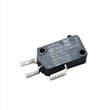
| Switch W10211972 | Door interlock switching for safe operation | Won’t start, stops when door moves |
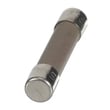
| Fuse mda 20a W11188752 | Protects the microwave from overcurrent | Dead unit, no display |
| Electronic control board WPW10260060 | Runs the keypad, display, and cooking logic | No response, erratic operation |
Why it matters
Knowing Whirlpool owns KitchenAid helps you identify compatible replacement parts and understand why some listings may reference Whirlpool even though your appliance badge says KitchenAid.
Last updated: January 2026
What are 5 disadvantages of using a microwave oven?
Microwaves like the KitchenAid KMBP100ESS03 are fast and convenient, but the most common downsides are uneven heating, limited browning/texture, container safety concerns, superheating risks with liquids, and some nutrient changes compared with other cooking methods.
5 common disadvantages (and what to do instead)
- Uneven heating (hot and cold spots): Food can look done but still be cold in the center. Stir, rotate, and allow standing time.
- Poor browning and crisping: Microwaves heat water in food well, but they do not brown like an oven or broiler. Use a toaster oven, air fryer, or finish under a broiler when appropriate.
- Container and plastic concerns: Some plastics can warp, melt, or transfer odors; use microwave-safe glass or ceramic.
- Superheated liquids: Water or other liquids can heat past boiling without bubbling, then erupt when disturbed. Heat in short bursts and use a non-metal stir stick.
- Texture tradeoffs: Bread can turn chewy, pizza can get soggy, and meats can heat unevenly. Reheat with lower power and add a paper towel or vented cover when needed.
Safety and troubleshooting tips we recommend
- Use shorter cook intervals (30 to 60 seconds), then check and stir.
- Reheat at 50% to 70% power for more even results.
- Cover food with a vented microwave cover to reduce splatter and drying.
- Let food stand 1 to 3 minutes after heating so temperatures equalize.
- If the door does not close firmly or the unit will not start, stop using it and inspect the door interlock system (a common wear area such as the switch W10211972 or interlock W11033422).
Quick comparison: microwave vs. other reheating methods
| Method | Best for | Main drawback |
|---|---|---|
| Microwave | Speed, leftovers, beverages | Uneven heating, limited browning |
| Oven/toaster oven | Crisping, browning | Slower, uses more energy |
| Stovetop | Soups, sauces, sauté reheats | Requires attention and stirring |
Why it matters
These disadvantages are mostly about food quality and safety. Using the right container, power level, and standing time helps you get more even results and reduces burn risks, especially with liquids and dense foods.
Last updated: January 2026
What is the difference between a combi oven and a combi microwave?
A combi oven and a combi microwave both combine multiple cooking modes, but they prioritize different strengths: a combi oven is built around oven-style cooking (baking, roasting, grilling), while a combi microwave is built around fast microwave heating with added convection or grill features. For KitchenAid built-in microwave model KMBP100ESS03, you are shopping a microwave-focused appliance.
Quick comparison
| Feature | Combi oven | Combi microwave |
|---|---|---|
| Primary strength | Oven performance | Speed and convenience |
| Typical best uses | Baking, roasting, browning | Reheating, defrosting, quick cooking |
| Heat source emphasis | Convection and radiant heat | Microwave energy plus convection/grill |
| Results focus | Texture and browning | Faster cook times with decent browning |
How to choose the right one
- Choose a combi oven if you bake often and want the best browning, crisping, and roasting results.
- Choose a combi microwave if you want faster everyday cooking (reheat, defrost, quick meals) with occasional convection or grill-style finishing.
- If you already have a full-size wall oven, a combi microwave is usually the better companion appliance.
- If you are replacing your only oven, a combi oven is usually the better all-around substitute.
- For built-in installations, confirm cutout and electrical requirements before ordering.
Why it matters
A combi oven can replace more traditional oven tasks, while a combi microwave is designed to save time on daily cooking. Knowing which one you have helps you buy the right parts and troubleshoot correctly (for example, heating issues in a microwave-focused unit often involve high-voltage components).
Parts that commonly relate to “microwave-focused” performance
If your KMBP100ESS03 is not heating or is acting erratically, these are common categories we see involved:
- Door safety switching: switch W10211972
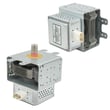
- High-voltage heating: magnetron W11346197
- Power conversion/control: inverter W11325604
- No power symptoms: fuse mda 20a W11188752
Last updated: January 2026