




Do Speed Queen dryers have moisture sensors?
Yes, many Speed Queen dryers include moisture sensing (often called moisture sensors or automatic dryness control), but it depends on the specific series and control style. For the Speed Queen SDET07WF, confirm whether your control panel has an “Auto Dry” or “Moisture Sensing” cycle; timed-dry-only models do not use a moisture sensor.
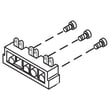
Moisture sensing systems typically use sensor bars inside the drum area to detect dampness and end the cycle when clothes reach the selected dryness level.
Common signs your dryer has moisture sensing:
- An Auto Dry or Automatic cycle option (not just Timed Dry)
- A dryness level selection (Less, Normal, More)
- The cycle time changes during the load instead of counting down steadily
- The dryer may enter a cool-down phase automatically
| Feature | Moisture sensing (Auto Dry) | Timed dry |
|---|---|---|
| Ends cycle based on | Clothing dryness | Set minutes |
| Time display | Adjusts during cycle | Counts down steadily |
| Best for | Mixed loads, energy savings | Small loads, troubleshooting |
Moisture sensing helps prevent overdrying (which can shrink fabrics and wear them out faster) and can reduce energy use by stopping heat as soon as the load is dry.
If your SDET07WF has Auto Dry but clothes come out damp or overdry, these steps fix most issues:
- Clean the lint screen every load; replace a damaged screen such as the Speed queen lint filter D503980W
- Check for restricted venting (crushed hose, clogged wall cap)
- Avoid overloading; bulky items can “fool” sensors
- Use Timed Dry once to compare performance
For deeper maintenance tips that improve sensor performance and airflow, use our how to clean and maintain your clothes dryer guide.
Last updated: February 2026
Do Speed Queen dryers have stainless steel drums?
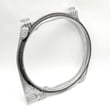
Many Speed Queen dryers use a stainless steel drum, but it varies by series and configuration. For the Speed Queen SDET07WF, the drum material is best confirmed by inspecting the drum surface and checking the drum assembly used on the machine (the drum itself is a key identifier).
Use these quick checks with the dryer unplugged and the drum empty:
- Look at the finish: stainless typically has a brighter, silvery sheen; painted steel often looks darker or coated.
- Check for paint chips: painted drums can show chips or wear spots; stainless will not “chip” like paint.
- Use a magnet test (lightly): many stainless alloys are weakly magnetic or non-magnetic; painted steel is strongly magnetic (this is a clue, not a guarantee).
- Inspect high-wear areas: the rear and baffle areas show wear patterns sooner.
- Match the drum to the correct assembly: the drum/cylinder part listing is the most reliable way to confirm what your unit was built with.
If you are troubleshooting drum wear, noise, or drying performance, these model-listed parts often come up:
- Speed queen cylinder D510265WP (the drum/cylinder assembly)
- Speed queen lint filter D503980W (restricted lint flow can overheat and increase wear)
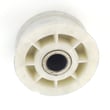
- Speed queen dryer drum support roller bracket 510100 (support issues can cause scraping and premature drum damage)
| Drum type | What you typically notice | Common benefit |
|---|---|---|
| Stainless steel | Bright metallic look; no paint layer | Resists rust and chipping; long-lasting surface |
| Coated/painted steel | Coated appearance; may show chips/wear | Lower cost; still durable with good venting |
Drum material affects long-term corrosion resistance and how the interior holds up to zippers, buttons, and moisture. Regardless of drum type, good airflow (clean lint screen and venting) is what protects the drum, heater system, and drying times.
For maintenance that helps any drum last longer, follow the steps in how to clean and maintain your clothes dryer.
Last updated: February 2026
What are common problems with Speed Queen dryers?
Speed Queen dryers (including model SDET07WF) most often have drying and starting problems caused by restricted airflow, a dirty lint screen, or a failed safety or control component. Start with venting and lint checks, then move to door and control checks if the drum will not run.
- Takes too long to dry: lint screen clogged, vent duct restricted, or blower/air path blocked
- No heat: airflow restriction causing overheating shutdown, or a failed heat circuit component
- Will not start: door not fully closed, door switch issue, or power/control problem
- Stops mid-cycle: overheating from poor venting, or an intermittent electrical connection
- Loud rumbling/squealing: drum support or drum contact wear (roller, glides, or drum issues)
- Clean the lint screen before every load and wash it occasionally to remove fabric softener film.
- Confirm strong airflow at the outside vent hood while the dryer runs.
- Inspect and clear the entire vent run (crushed flex duct, long runs, lint buildup).
- Avoid overloading; heavy loads restrict tumbling and airflow.
- Verify the door closes firmly and the latch area is not obstructed.
If basic airflow and loading checks do not fix the issue, these model-listed parts are often involved:
| Symptom | Part to consider | What it affects |
|---|---|---|
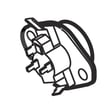
| Dryer will not start or runs intermittently | Speed queen switch D512973 | Start/door or control switching (depending on circuit location) |
| Poor drying, lint escaping, overheating risk | Speed queen lint filter D503980W | Airflow through the lint screen housing |
| Thumping, rumbling, scraping noises | Speed queen cylinder D510265WP | Drum condition and drum movement |
Restricted airflow is the number one cause of long dry times and overheating-related shutdowns. Fixing venting and lint issues first improves drying performance, reduces wear on the heater and controls, and helps prevent repeat failures.
Related DIY help: dryer takes a long time to dry, how to clean and maintain your clothes dryer, what are the main parts of a clothes dryer
Last updated: February 2026





