Owner’s manual
 Error Codes


What is the most common problem with a GE refrigerator?
Cooling problems are the most common issue we see with GE refrigerators, including the GE GSL25JGBBLB; symptoms include warm fresh food, soft ice, or temperature swings. The usual causes are restricted airflow, dirty condenser coils, defrost system failures, or a control or sensor problem.
Most common causes to check first
- Temperature settings were changed accidentally or set too warm
- Condenser coils are dirty, causing poor heat release
- Door not sealing (gasket leak) letting warm air and moisture in
- Evaporator fan not moving cold air through the compartments
- Defrost system issue leading to frost buildup on the evaporator
- Water filter is clogged and affecting dispenser flow (not cooling, but often reported as a “problem”)
Quick troubleshooting steps (in order)
- Confirm the controls are set correctly and vents are not blocked by food packages.
- Clean the condenser coil area and make sure the condenser fan area is clear.
- Check for heavy frost on the back wall inside the freezer; that points to a defrost problem.
- Listen for the evaporator fan in the freezer; no fan noise often means an airflow failure.
- If temperatures are erratic, test the sensor circuit and wiring before replacing boards.
Parts that commonly relate to cooling complaints
| Symptom | Likely area | Example part for this model |
|---|---|---|
| Warm fridge, freezer OK | Airflow/damper, fan | Evaporator fan motor rca refrigerator evaporator fan motor WR60X10185 |
| Frost buildup, warming over days | Defrost system | Refrigerator defrost heater WR51X10055 or refrigerator defrost bi-metal thermostat WR50X10065 |
| Temps swing or read wrong | Sensor/control | Refrigerator temperature sensor WR55X10025 |
Why it matters
A refrigerator that cannot move heat off the condenser or move cold air through the evaporator will run longer, struggle to hold safe food temperatures, and can eventually lead to more expensive failures. Catching airflow and defrost issues early prevents repeat warming episodes.
Model-specific tip
For GE GSL25JGBBLB, use the cleaning and care guidance in the owner's manual to keep the exterior and dispenser area maintained; routine cleaning habits also help you spot gasket leaks, frost, and airflow blockages sooner.
Last updated: February 2026
How to order GE appliance parts?
For your GE GSL25JGBBLB side-by-side refrigerator, we recommend ordering replacement parts by matching the exact model number and then selecting the part you need from the parts list for that model; the GSL25JGBBLB owner's manual also explains how to identify common items like water filters and accessories.
What you need before you order
- Complete model number: GSL25JGBBLB
- Serial number (helps confirm production variation)
- A clear symptom or the part name (example: water filter, ice maker)
- Photos of the part and wire connectors (for electrical parts)
- Basic measurements (length, mounting hole spacing) when replacing hardware
Common parts customers order for this model
These are frequently replaced items for water, ice, cooling, and defrost performance:
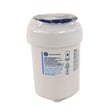
- GE refrigerator water filter MWFP (filter cartridge)
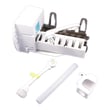
- GE refrigerator ice maker kit WR30X10093 (no ice, slow ice)
- Refrigerator water valve WR57X33326 (no water at dispenser, no ice fill)
- Refrigerator defrost heater WR51X10055 (frost buildup, warm fridge)
- Refrigerator temperature sensor WR55X10025 (temperature swings)
Quick ordering checklist (avoid wrong-part returns)
| Check | What to match | Why it matters |
|---|---|---|
| Model | GSL25JGBBLB | Ensures correct fit and wiring |
| Part ID | Example: MWFP, WR30X10093 | Confirms the exact item page |
| Part number | Example: MWF, WR30X10093 | Confirms manufacturer reference |
| Symptom | No ice, warm freezer, leaking | Helps choose the right system part |
Why it matters
GE side-by-side refrigerators often use similar-looking parts across multiple model families; matching GSL25JGBBLB plus the correct part ID prevents ordering a filter, valve, or control that does not fit your wiring harness or water line setup.
Last updated: February 2026
Can I replace fridge parts myself?
Yes. On your GE GSL25JGBBLB side-by-side refrigerator, we recommend DIY replacement only for simple, non-sealed-system parts (like the light bulb, water filter, and some dispenser pieces). Always unplug the refrigerator first because the control panel Off setting does not disconnect power; follow the owner's manual for safe access steps.
Good DIY parts to replace on this model
These repairs are typically straightforward with basic hand tools and careful handling:
- Refrigerator water filter (improves taste and flow): GE refrigerator water filter MWFP
- Refrigerator lamp (interior light not working): refrigerator lamp 40A15
- Dispenser ice chute door kit (ice door not sealing): refrigerator dispenser ice chute door kit WR17X11653
- Dispenser lever spring (lever feels loose or won’t return): GE profile refrigerator dispenser lever spring WR02X10585
- Ice maker kit (no ice, stripped gears, or failed module): GE refrigerator ice maker kit WR30X10093
Repairs we treat as advanced (use a qualified technician)
The manual’s safety guidance is clear that repairs should be performed by a qualified service professional, especially when electrical diagnostics or refrigeration components are involved.
- Sealed system work (compressor, evaporator, refrigerant lines)
- Control board diagnosis and replacement when wiring tests are required
- Fan motor or defrost circuit troubleshooting that involves live-voltage checks
Safety steps we follow before any repair
- Unplug the refrigerator before replacing parts, cleaning, or changing a light bulb
- Confirm power is truly off (controls set to Off still leave the unit energized)
- Shut off the water supply before servicing the ice maker or water valve
- Replace all parts and panels before operating
- Avoid extension cords; use a properly grounded outlet
Quick decision guide
| What you’re replacing | DIY-friendly? | Why |
|---|---|---|
| Light bulb or water filter | Yes | No wiring diagnosis; quick access |
| Dispenser chute door or spring | Yes | Mechanical parts; minimal disassembly |
| Ice maker kit | Usually | Water line and mounting steps matter |
| Control boards, sensors, fan motors | Sometimes | Often requires testing and careful routing |
| Compressor/evaporator | No | Sealed system and specialized tools |
Why it matters
Choosing the right repair level protects you from electric shock and prevents repeat failures caused by missed steps (like leaving panels off, pinching a wire harness, or turning water back on too soon).
Last updated: February 2026
What are the most commonly replaced parts in a refrigerator?
In a refrigerator like the GE GSL25JGBBLB, the most commonly replaced parts are the water filter, door gasket, ice maker and dispenser parts, defrost system components, fan motors, and temperature sensing or control parts. These items wear out first because they cycle often, handle water, or seal cold air.
Most common replacement parts (and what they affect)
- Water filter: improves taste and flow; a clogged filter can slow the dispenser and reduce ice production (see GE refrigerator water filter MWFP).
- Door gasket (seal): prevents warm air leaks that cause frost, sweating, and longer run times.
- Ice maker and dispenser parts: common when ice stops producing, clumps, or the chute door does not close fully (see GE refrigerator ice maker kit WR30X10093 and refrigerator dispenser ice chute door kit WR17X11653).
- Defrost system parts: help prevent the evaporator from icing over (see refrigerator defrost heater WR51X10055 and refrigerator defrost bi-metal thermostat WR50X10065).
- Fan motors: move cold air through the freezer and fresh-food sections; failures can cause warm temps or noisy operation (see rca refrigerator evaporator fan motor WR60X10185 and condenser motor WR60X10209).
- Sensors and control boards: manage temperature and defrost timing (see refrigerator temperature sensor WR55X10025 and refrigerator electronic control board WR55X11072C).
Quick symptom-to-part guide
| Symptom | Commonly involved parts | What to check first |
|---|---|---|
| Water dispenses slowly | Water filter, water valve | Replace filter, then check valve |
| Frost buildup, warm fridge | Defrost heater, defrost thermostat, sensor | Look for heavy frost on rear freezer panel |
| No ice or small cubes | Water filter, water valve, ice maker | Replace filter, confirm water supply |
| Warm temps, loud humming | Evaporator fan motor, condenser motor | Listen for fan operation and airflow |
Why it matters
Replacing high-wear parts early helps your GE GSL25JGBBLB maintain stable temperatures, protect food, and reduce compressor run time. It also prevents secondary problems like ice buildup from a failed defrost component.
Safety note before you replace anything
Our owner's manual recommends unplugging the refrigerator before cleaning or replacing parts (power cannot be shut off from the control panel). Use the manual for access steps and safety guidance.
Last updated: February 2026
What size is GSL25JGBBLB?
The GE GSL25JGBBLB is a full-size side-by-side refrigerator; most models in this class are about 70 inches tall, 36 inches wide, and 33 to 35 inches deep depending on handles and door position. For the exact specs and installation notes, use the GSL25JGBBLB owner's manual.
What “size” usually means
When customers ask for size, we recommend confirming these measurements:
- Height: floor to top of cabinet (include hinge cover if it sits higher)
- Width: widest point of the cabinet
- Depth: cabinet only, then with doors, then with handles
- Door swing: space needed to open doors for full shelf and bin access
- Clearance: space around the cabinet for airflow and hookups
Installation clearances (from the manual)
The manual calls out minimum clearances for installation, air circulation, and connections:
- Sides: 1/8 inch (4 mm)
- Top: 1 inch (25 mm)
- Back: 1 inch (25 mm)
- Door clearance: 3/4 inch (19 mm) for a 90° door opening
| Area | Minimum clearance |
|---|---|
| Sides | 1/8 in (4 mm) |
| Top | 1 in (25 mm) |
| Back | 1 in (25 mm) |
| Door opening clearance | 3/4 in (19 mm) |
Why it matters
Correct sizing prevents poor air circulation, makes water line and electrical connections easier, and ensures the doors open far enough to access drawers and shelves without rubbing cabinets or walls.
Last updated: February 2026