

How much to replace a whirlpool dryer motor?
For a Whirlpool LE9200XWW0 dryer, replacing the drive motor typically runs $150 to $400+ total (parts plus labor). If you do the repair yourself, the cost is usually the motor price plus any related wear parts you replace while the dryer is open.
Motor replacement cost varies most by labor rates and whether additional parts are needed.
- Motor part cost: commonly $100 to $300+
- Labor: often $100 to $200+ depending on service call and time
- Extra parts (common add-ons): belt, idler pulley, blower wheel, thermal cut-off kit
| Scenario | What you pay for | Typical total |
|---|---|---|
| DIY motor replacement | Motor + any wear parts | $100 to $350+ |
| Pro repair | Motor + labor + service call | $150 to $400+ |
| Pro repair with multiple parts | Motor + several parts + labor | $250 to $600+ |
If the motor failed due to drag, overheating, or a seized blower, replacing related parts helps prevent repeat failures.
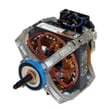
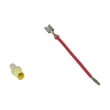
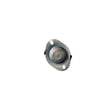
- Dryer motor switch 279827 (drive motor)
- Drum belt 341241 (worn belt can slip, squeal, or break)
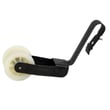
- Dryer idler pulley WP691366 (noisy or seized pulley can strain the motor)
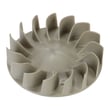
- Dryer blower wheel WP694089 (stripped hub or jammed wheel can stop airflow and overload the motor)
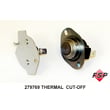
- Cut-off kit 279769 (overheating protection parts often replaced after a heat event)
These symptoms can look like a bad motor but have other causes.
- Dryer won’t start: check door switch, timer/control, and power supply first
- Hums but won’t turn: belt jam, seized drum support, or stuck blower wheel
- Runs but shuts off: restricted venting causing overheating, or thermal cut-off open
The drive motor is one of the higher-cost components in a dryer. If the repair estimate approaches half the cost of a comparable new dryer, it’s smart to compare repair vs. replacement, especially if the drum supports and heating system also show wear.
Last updated: February 2026
Is 7.4 cubic feet a big dryer?
Yes. A 7.4 cu. ft. dryer is considered large capacity; it comfortably handles bigger mixed loads and bulky items (comforters, blankets, jackets) with fewer cycles. For your Whirlpool LE9200XWW0, use capacity as a loading guide: leave room for tumbling and airflow.
A larger drum works best when items can lift and drop freely. Overpacking reduces airflow and can cause long dry times.
- Large mixed loads dry more evenly when the drum is not packed tight
- Bulky items fit better, but still need space to tumble
- Fewer loads per week for families and heavy laundry routines
- Better airflow potential, which supports consistent heating
- Venting and lint control still determine real-world dry time
| Dryer capacity | Common label | Typical use |
|---|---|---|
| 5.0 to 7.0 cu. ft. | Standard | Everyday loads, smaller households |
| 7.1 to 7.5 cu. ft. | Large | Bigger loads, bulky items |
| 7.6 cu. ft. and up | Extra-large | Frequent bulky loads, large households |
Large capacity only helps when the dryer moves air efficiently. If airflow is restricted, the dryer can run hotter and longer, which increases wear on moving parts such as the drum belt 341241 and can contribute to overheating symptoms.
- Dry one comforter at a time; add 2 to 3 towels to help balance tumbling
- Stop mid-cycle to reposition bulky items for even drying
- Clean the lint screen every load; check the lint chute for buildup
- Confirm strong airflow at the outside vent hood
- Use timed dry if an automatic cycle ends before items are fully dry
Last updated: February 2026
What are the common problems with whirlpool dryers?
Common Whirlpool dryer problems (including model LE9200XWW0) are no-start issues, the drum not tumbling, no heat or weak heat, long dry times, unusual noises, and door-latch or switch failures. Most causes trace back to power supply, airflow restrictions, or worn drive components.
- Dryer will not start: tripped breaker, failed door switch, bad start circuit, or motor issue
- Drum not spinning: broken belt, worn idler pulley, or motor problem
- No heat or low heat: blown thermal cut-off, failed thermostat, heating circuit wiring issue, or restricted venting
- Takes too long to dry: clogged lint screen, blocked lint chute, crushed/long vent run, or bad blower wheel
- Squealing, thumping, grinding: worn idler pulley, drum support wear, loose blower wheel, or drum seal wear
- Door won’t stay closed: worn strike or latch alignment issue
- Confirm power: Electric dryers typically need a full 240V supply; a half-tripped breaker can let the motor run but reduce or eliminate heat.
- Fix airflow: Clean the lint screen every load; inspect the lint chute and vent duct for lint buildup.
- Listen and look: A slipping belt smell, squeal, or drum that turns by hand too easily points to a drive issue.
- Check the door switch: If the door switch does not click firmly, the dryer may not start.
| Symptom | Common fix | Example part for this model |
|---|---|---|
| Drum not turning | Replace worn/broken belt | Drum belt 341241 |
| Squealing or drum stops | Replace idler pulley | Dryer idler pulley WP691366 |
| No heat (often after overheating) | Replace thermal cut-off kit and correct venting | Cut-off kit 279769 |
| Long dry times, weak airflow | Replace damaged blower wheel | Dryer blower wheel WP694089 |
| Won’t start when door closes | Replace door switch | Dryer door switch W10820036 |
A Whirlpool dryer that runs with poor airflow can overheat and repeatedly trip safety devices, leading to no-heat complaints and longer dry times. Fixing venting and lint buildup first prevents repeat failures and protects key components like thermostats and the heating circuit.
For electronic models that display fault codes, use our Whirlpool electronic control model dryer error codes guide to match the code to the most likely failed part and test steps.
Last updated: February 2026
What are the dimensions of a Whirlpool front load washer dryer?
Whirlpool front-load washer and dryer dimensions vary by model, and your Whirlpool LE9200XWW0 is a dryer model, not a front-load washer/dryer set. For space planning, most full-size Whirlpool dryers are about 29 inches wide, 43 inches tall, and 28 to 30 inches deep; measure your unit for exact fit.
Use these as a starting point when planning a laundry alcove for an older full-size Whirlpool dryer like LE9200XWW0:
- Width: ~29 in
- Height: ~43 in
- Depth (cabinet): ~28 to 30 in
- Rear clearance for vent and cord: plan at least 4 to 6 in
- Side clearance: plan at least 1 in per side for airflow and vibration
Measure the dryer and the installation space before ordering parts or moving the appliance:
- Measure width at the widest cabinet point
- Measure height to the highest point on the top panel
- Measure depth from the back panel to the front (include any protruding trim)
- Add space for the exhaust vent elbow and power cord
- Confirm the doorway and hallway widths on the way to the laundry area
| What you are sizing | Typical number to plan for | What changes it most |
|---|---|---|
| Dryer width | ~29 in | Cabinet style, side panels |
| Dryer height | ~43 in | Leveling legs, top design |
| Dryer depth | ~28 to 30 in | Front panel design, vent hookup |
| Total depth installed | +4 to 6 in | Vent elbow, cord routing |
Correct depth and rear clearance protect airflow through the lint path and venting; restricted airflow causes long dry times and overheating. If you find lint escaping inside the cabinet, replacing a worn seal such as the dryer lint chute seal W11415783 helps keep airflow directed properly.
Last updated: February 2026
What's the average lifespan of a whirlpool duet dryer?
A Whirlpool Duet dryer typically lasts 10 to 15 years with normal household use and basic upkeep. For your Whirlpool LE9200XWW0 dryer, consistent airflow maintenance and quick fixes to wear items often make the biggest difference in reaching the upper end of that range.
Most dryers fail early due to heat and airflow stress, not because the drum “wears out.” These factors have the biggest impact:
- Heavy weekly loads (large family use) shorten lifespan
- Restricted venting or a clogged lint path overheats components
- Running high heat cycles constantly accelerates wear
- Ignoring squealing, thumping, or burning smells leads to bigger failures
- Replacing common wear parts early prevents secondary damage
We recommend these habits for Whirlpool electric dryers like model LE9200XWW0:
- Clean the lint screen before every load; replace a damaged screen such as the dryer lint screen 339392V
- Vacuum lint from the lint chute area and inside the cabinet periodically
- Keep the vent run short, smooth, and free of kinks; clean the full vent to the outside
- Avoid overloading; it strains the motor, belt, and drum support
- Stop using the dryer if you smell burning or hear loud scraping
| Symptom | Common cause | Typical fix |
|---|---|---|
| Drum won’t turn, motor runs | Broken belt | Replace drum belt 341241 |
| Loud squeal or chirp | Worn idler pulley | Replace dryer idler pulley WP691366 |
| Long dry times, hot cabinet | Airflow restriction or blower issue | Clean vent; inspect blower wheel |
| No heat or overheating shutdown | Thermal cut-off/high-limit issue | Check/replace thermal cut-off kit |
A dryer that runs hot or can’t move air dries slower, costs more to run, and overheats parts like thermostats, wiring, and the heating circuit. Keeping airflow strong is the simplest way to protect the motor, heater, and drum drive system.
Last updated: February 2026