


Where is the model number on a Craftsman rear tine tiller?
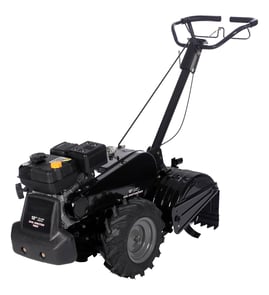
On a Craftsman rear-tine tiller like model 917299592, the model number is printed on the product ID label (a sticker or metal tag) attached to the tiller frame. It is most often located near the tine shield/guard area or on the engine area near the fuel tank.
Common places to check first
Look for a label that includes the model number and sometimes a serial number. Check these spots:
- On the tine shield (tine guard) behind or above the tines
- On the main frame rail near the transmission/gear case
- Near the engine mounting area
- On or near the fuel tank area (engine shroud or nearby frame)
- On the front of the tiller frame (especially on larger rear-tine units)
What the label looks like
The model tag is usually easy to miss because it can be dirty or worn.
| What you see | What it means | What to do |
|---|---|---|
| Sticker with faded print | Normal wear from dirt and vibration | Wipe gently and use a flashlight at an angle |
| Metal tag riveted to frame | More durable ID plate | Read and record the full model and serial |
| Multiple numbers | Model vs. engine numbers | Use the tiller model (917299592) for parts lookup |
Tips to find it fast
- Clean the area with a rag and mild degreaser; avoid soaking decals
- Use a phone camera zoom to read worn text
- Record the full model number exactly; it drives correct parts matching (belts, tines, bearings, hardware)
Why it matters
The model number ensures we match the correct Craftsman rear-tine tiller parts for your exact configuration, including drive components like the v-belt 532138399 and tine components like the tine, right 532101194.
Last updated: February 2026
Are tiller tines universal?
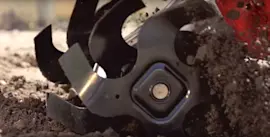
No. Tiller tines are not universal; they must match your tiller’s tine rotation (counter-rotating vs. standard), shaft pattern, mounting hole spacing, and left vs. right orientation. For the Craftsman 917299592 rear-tine tiller, use model-matched tines to ensure proper digging and safe operation.
What has to match for a tine to fit
Even if a tine “looks right,” these details determine whether it will bolt on and work correctly:
- Rotation type: counter-rotating tines use specific tine shapes and mounting positions
- Side: left and right tines are different and are not interchangeable
- Mounting pattern: hole spacing, bolt size, and hub/shaft interface
- Tine diameter and width: affects tilling depth and load on the drivetrain
- Quantity and arrangement: number of tines per side and their spacing on the shaft
Correct tine options for model 917299592
For this Craftsman model, we list separate left and right tines. Replacing them as a matched set keeps the tiller tracking straight and reduces vibration.
| Tine position | Model-matched part | When to replace |
|---|---|---|
| Left side | Tine, left 532101193 | Bent, cracked, heavily rounded edges |
| Right side | Tine, right 532101194 | Uneven wear vs. the other side, missing material |
Quick checks before you order
Use these checks to avoid buying the wrong tine style:
- Confirm you are ordering left vs. right (they mirror each other)
- Compare the mounting holes and overall curve to your old tine
- Inspect the hardware; replace worn fasteners so the tine stays tight
- If the tine area has looseness, check for worn bearings or retainers in the tine drive
Why it matters
A “close enough” tine can mount incorrectly, till poorly, and put extra strain on the gear case, belt drive, and tine shaft. Using model-correct tines helps your 917299592 dig evenly and protects the drivetrain.
Last updated: February 2026
Are rear tine tillers better?
Yes, rear-tine tillers are better for most heavy-duty garden work because the engine weight sits over the tines, helping the machine bite into hard soil and stay stable. For a Craftsman 917299592 rear-tine tiller, that design is especially useful when you are breaking new ground or working in rocky, root-filled areas.
When a rear-tine tiller is the better choice
Rear-tine models typically outperform front-tine tillers when you need traction, depth control, and consistent tine engagement.
- Breaks up compacted soil more effectively
- Tracks straighter and bounces less in rough ground
- Handles larger garden plots with less operator effort
- Works well for mixing in compost or amendments at deeper settings
- Better control when the soil is uneven or contains small rocks
When a rear-tine tiller is not “better”
If your garden is already loose and you mainly do light seasonal cultivation, a smaller tiller can be easier to live with.
- Tight spaces and narrow rows (rear-tine units are longer and heavier)
- Transport and storage (more lifting, more floor space)
- Quick touch-ups in soft soil (a lighter machine can be faster to maneuver)
Quick comparison
| Feature | Rear-tine tiller | Front-tine tiller |
|---|---|---|
| Best for | New ground, hard soil | Established beds, light tilling |
| Stability | Higher | Lower |
| Maneuverability | Lower | Higher |
| Typical plot size | Medium to large | Small to medium |
Why it matters
Choosing the right tine layout affects how deep you can till, how much the machine “walks” or bucks, and how much strain you put on wear items like the drive belt and tine hardware. If you are refreshing worn driveline parts during a tune-up, we stock common service items for this model such as the v-belt 532138399 and tine components like the tine, right 532101194.
Last updated: February 2026
Are Craftsman rear tine tillers any good?
Yes. Craftsman rear-tine tillers like model 917299592 are a solid choice for home gardens because the rear-tine design delivers strong traction, steady digging, and good control in tougher soil. With normal maintenance and timely replacement of wear parts, they hold up well season after season.
What “good” looks like on a rear-tine tiller
A rear-tine tiller is usually considered a good performer when it:
- Starts consistently and runs smoothly under load
- Pulls forward without excessive wheel spin
- Breaks up soil without constant bouncing or “walking”
- Shifts and engages drive/tines cleanly
- Shows minimal vibration and no gearcase oil leaks
What to check on your Craftsman 917299592 if performance drops
Most “this tiller isn’t as good as it used to be” complaints come down to a few serviceable items:
- Drive issues (slipping, weak pull): inspect the belt and tension; replace the v-belt 532138399 if it’s glazed, stretched, or cracked.
- Poor tilling or uneven digging: worn or bent tines reduce bite; replace the correct side tine such as tine, right 532101194 or tine, left 532101193.
- Noisy drivetrain or rough feel: bearings and thrust surfaces wear; check for play and grinding (examples include bearing 585695501 and thrust bearing 532001370).
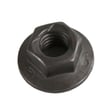
- Loose hardware: vibration can back off fasteners; re-tighten and replace damaged lock nuts like nut 532409149.
Quick comparison: rear-tine vs front-tine
| Feature | Rear-tine tiller (like 917299592) | Front-tine tiller |
|---|---|---|
| Best for | Larger gardens, harder soil | Smaller beds, already-loose soil |
| Control | More stable, less “pulling” | Can be more effort to hold straight |
| Traction | Typically better | Typically less |
Why it matters
A rear-tine tiller’s value is in consistent soil breakup with less operator effort. Keeping the belt, tines, and bearings in good shape preserves digging depth, reduces vibration, and helps prevent drivetrain wear.
Last updated: February 2026
What are the common problems with lawn tillers?
Common problems on the Craftsman 917299592 rear-tine tiller include hard starting or no-start, tines not turning, poor tilling performance, and excessive vibration. Most issues trace back to fuel quality, ignition, belt/drive wear, or loose hardware that needs tightening or replacement.
Most common symptoms and what they usually mean
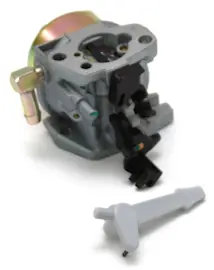
- Won’t start / starts then dies: stale fuel, clogged fuel path, dirty carburetor, fouled spark plug
- Tines won’t turn or slip: worn or stretched drive belt, linkage out of adjustment, damaged gear case components
- Poor tilling or uneven digging: worn/bent tines, depth stake set too shallow, soil too wet or packed
- Excessive vibration or rattling: loose fasteners, damaged tine, worn bearing
- Oil or grease leaks near the tine drive: gear case seal wear or gear case damage
Quick checks we recommend first (fast, low-cost)
- Fuel: Drain old gas and refill with fresh fuel; clean the tank cap vent if it seems plugged.
- Spark: Inspect the spark plug; replace if fouled, cracked, or heavily worn.
- Drive: Check belt condition and tension; glazing, cracks, or slack usually means replacement.
- Hardware: Tighten loose nuts/bolts on tine assemblies, guards, and handles.
- Tines: Look for bent, missing, or severely worn tines; replace in matched left/right sets.
Parts that commonly fix these problems on model 917299592
If you find wear or damage during the checks above, these model-matched parts are common solutions:
| Problem you see | Likely part area | Example part for this model |
|---|---|---|
| Tines worn, bent, or missing | Tine set | Tine, left 532101193 and tine, right 532101194 |
| Tines slip or stop under load | Belt/drive | V-belt 532138399 |
| Grinding, leaking, or internal drive damage | Gear drive | Gear case 532144562 |
Why it matters
A rear-tine tiller puts heavy load on the belt drive, tine shafts, and gear case. Catching belt wear, loose fasteners, or tine damage early helps prevent bigger failures like stripped gears, damaged bearings, and costly downtime during planting season.
Last updated: February 2026