

What is the most common problem with a KitchenAid dishwasher?
For the KitchenAid KDTM384EBS1 dishwasher, the most common problem we see is poor cleaning performance (dishes come out gritty or still dirty), usually caused by a clogged filter area, restricted spray arms, or a wash system issue that reduces water flow and pressure.
- Food particles left on glasses or plates after the cycle
- Cloudy film on glassware (often worsened by hard water)
- Upper rack not cleaning well (weak spray or loading issue)
- Detergent not fully dissolving
- Cycle seems to run normally but results are inconsistent
- Clean the filter area and sump: Remove debris that can block circulation.
- Inspect spray arms: Make sure holes are not plugged and arms spin freely.
- Confirm water temperature: Most dishwashers clean best with hot incoming water (typically around 120°F).
- Load for spray access: Avoid blocking the lower spray arm with tall pans.
- Use fresh detergent and rinse aid: Old detergent clumps and won’t wash well.
If cleaning is poor even after cleaning the filter and spray arms, the issue is often water flow, heating, or wash system control.
| What you notice | Common cause | Part that often relates |
|---|---|---|
| Dishwasher fills slowly or seems underfilled | Restricted fill or valve issue | Dishwasher water inlet valve W11175771 |
| Dishes are wet and cool at end of cycle | Heating problem | Element assembly W10703867 |
| Wash action sounds weak or inconsistent | Circulation/wash motor issue | Dishwasher pump and motor assembly W10902589 |
Poor cleaning is usually a water flow and coverage problem. Fixing it early helps prevent odor buildup, repeat washing, and strain on the pump and motor over time.
KitchenAid models often provide diagnostic codes that point to the system involved (wash motor, heating, fill, drain). Use our KitchenAid microclean he dishwasher error codes guide to match the code to the most likely cause.
Last updated: January 2026
What is the average lifespan of a KitchenAid dishwasher?
Most KitchenAid dishwashers, including model KDTM384EBS1, typically last 10 to 14 years with normal household use. Consistent cleaning, correct loading, and fixing small issues early (like leaks or poor draining) are what most often determine whether you land closer to 10 years or closer to 14.
- Water quality: Hard water speeds up mineral buildup on the heating system and inside the sump.
- How often you run it: Multiple loads per day shortens overall life compared to 3 to 5 loads per week.
- Cleaning and maintenance: A clean filter area and spray arms reduce strain on the pump.
- Door and rack wear: Worn rack rollers and adjusters can cause misalignment and door sealing issues.
- Early repairs: Replacing a small wear part is cheaper than running the unit until a motor or control fails.
| Usage pattern | Typical lifespan | What usually wears first |
|---|---|---|
| Light (1 to 3 loads/week) | 12 to 14 years | Rack parts, door seal |
| Average (4 to 7 loads/week) | 10 to 12 years | Drain/fill components, heater |
| Heavy (2+ loads/day) | 7 to 10 years | Pump/motor, diverter, electronics |
If performance is still good, replacing wear items can keep the dishwasher running smoothly longer:
- Dishwasher water inlet valve W11175771: Helps restore proper filling when the unit fills slowly or inconsistently.
- Element assembly W10703867: Supports drying and water heating when dishes stay wet or cycles run cooler.
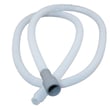
- Dishwasher drain hose 8269144A: Useful when you have slow draining, kinks, or a leaking hose.
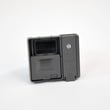
- Dishwasher door latch WPW10653840: Helps prevent intermittent stopping or no-start issues caused by a weak latch.
A dishwasher near the end of its expected lifespan often shows small symptoms first (longer cycles, poor drying, occasional draining problems). Addressing those early can prevent secondary damage to the pump, motor, or control system.
For troubleshooting that helps you decide whether a repair is worth it, use our KitchenAid he dishwasher error codes.
Last updated: January 2026
Which dishwasher to stay away from?
If you’re shopping for a dishwasher, we recommend staying away from any model line with a consistent pattern of service calls for leaks, poor cleaning, or electronic failures. For KitchenAid dishwashers like KDTM384EBS1, the most common “avoid” scenario is buying a used unit with known leak history or repeated wash performance problems tied to key wash-system parts.
A dishwasher is one to avoid when it shows repeat issues that are expensive or inconvenient to correct.
Common red flags:
- Water leaking at the door or under the unit during wash
- Dishes coming out gritty or still dirty after normal cycles
- Intermittent starting, stopping mid-cycle, or dead controls
- Not draining fully, standing water in the tub
- Strong burning smell or no heat for drying
Use these practical checks to reduce the risk of ending up with a problem unit.
- Run a full cycle and confirm it fills, washes, drains, and dries
- Inspect the lower door area for swelling, mineral trails, or rust stains
- Open the door mid-cycle; you should hear strong spray and see water movement
- Check rack movement; broken wheels or adjusters often signal heavy wear
- Look for error codes and match them to known fault categories
On KDTM384EBS1, these parts are commonly involved when performance or leaking complaints show up:
| Symptom you see | Often involved part | What it affects |
|---|---|---|
| Leaks at the bottom of the door | Dishwasher door seal, lower W10909089 | Door sealing and splash containment |
| Poor cleaning or odd wash behavior | Dishwasher diverter motor W10537869 | Directs water to spray zones |
| Not filling or fills slowly | Dishwasher water inlet valve W11175771 | Water supply into the tub |
| Not drying or weak heat | Element assembly W10703867 | Water heating and drying performance |
Dishwashers can look fine on the outside but still have hidden wear in the wash system (diverter, inlet valve, heater) or sealing surfaces. Avoiding units with these symptoms helps prevent repeat leaks, long cycle times, and disappointing cleaning results.
For troubleshooting patterns that help you decide whether a unit is worth fixing, use KitchenAid he dishwasher error codes.
Last updated: January 2026