Owner’s manual
 Error Codes


What is the average lifespan of a GE refrigerator?
Most GE refrigerators, including the GE GSS20GSDBSS side-by-side, typically last 10 to 15 years. With consistent care (clean condenser coils, good door sealing, correct temperatures), it’s common to reach the upper end of that range before major sealed-system or control issues become more likely; see the owner's manual for model-specific care guidance.
Typical lifespan and what affects it
A refrigerator’s life is driven less by the cabinet and more by wear items like fans, sensors, and the sealed cooling system.
- Maintenance: dirty condenser coils and blocked airflow shorten life
- Door sealing: a leaking gasket forces longer run times
- Usage: frequent door openings and warm kitchens increase compressor cycling
- Water and ice use: dispenser and ice maker components add wear points
- Power quality: repeated outages or surges can stress the control board
What “end of life” usually looks like
These symptoms often show up as a unit ages and can point to a part repair versus replacement.
| Symptom | Common area involved | Example part on this model page |
|---|---|---|
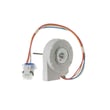
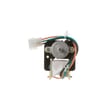
| Warm fridge or freezer, but lights work | Air movement in freezer | Rca refrigerator evaporator fan motor WR60X10185 |
| Temps swing or food freezes in fresh food section | Temperature sensing/control | Refrigerator temperature sensor WR55X10025 |
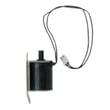
| Loud noise near the back/bottom | Condenser fan or airflow | Refrigerator condenser fan WR60X10220 |
| Doors don’t seal, moisture or frost issues | Door gasket/alignment | Refrigerator door gasket WR24X23195 |
Why it matters
Knowing the typical 10 to 15 year lifespan helps you decide whether to invest in repairs. If your GSS20GSDBSS is within that window, replacing a fan motor, temperature sensor, or door gasket often restores performance and reduces compressor run time.
Last updated: February 2026
Are GE side-by-side refrigerators good?
GE side-by-side refrigerators like model GSS20GSDBSS are a solid choice for everyday use because they typically offer dependable cooling, easy organization (shelves, bins, crispers), and convenient ice and water dispensing. Long-term satisfaction usually comes down to proper setup, cleaning, and keeping airflow paths clear.
What “good” means for this GE side-by-side
We judge a refrigerator by temperature stability, usability, and serviceability. For GSS20GSDBSS, the owner's manual covers core features like controls, shelves and bins, the ice and water dispenser, water filter cartridge care, troubleshooting tips, and normal operating sounds.
Common strengths customers value
- Side-by-side layout keeps both fresh food and frozen items at eye level
- Adjustable shelving and door bins make it easier to fit tall items
- Built-in ice maker and dispenser add convenience
- LED lighting (on many GE side-by-sides) improves visibility
- Replacement parts support helps extend the refrigerator’s life
What to watch for (and how to prevent issues)
Some side-by-side owners report noise or slower ice production. Many of these complaints trace back to normal operating sounds, airflow restrictions, or dispenser and ice path wear.
Quick checks that improve performance
- Set temperatures to typical targets: 37°F fresh food, 0°F freezer
- Keep vents inside both compartments unblocked
- Clean condenser area periodically to help cooling efficiency
- Replace the water filter on schedule (commonly every 6 months, sooner if flow drops)
- If dispensing ice is inconsistent, inspect the chute door and bucket for binding or frost
Parts that commonly affect “how good it feels” day to day
| Symptom | Likely area | Example part for this model |
|---|---|---|
| Warm temps, poor airflow | Evaporator fan system | Rca refrigerator evaporator fan motor WR60X10185 |
| Ice clumps, dispensing issues | Dispenser bucket and chute | Refrigerator ice dispenser bucket assembly WR17X23191 |
| Temps swing or seem inaccurate | Temperature sensing | Refrigerator temperature sensor WR55X10025 |
Why it matters
A side-by-side can seem “bad” even when the sealed system is fine if airflow, sensing, or the dispenser system is struggling. Basic maintenance and timely replacement of wear parts usually restores normal cooling and convenience.
Last updated: February 2026
What is the most common problem with a GE refrigerator?
The most common problem we see with GE refrigerators like model GSS20GSDBSS is not cooling well (refrigerator or freezer too warm). In many cases, it comes down to control settings, airflow issues, or a failed cooling component such as a fan motor or temperature sensor; our owner's manual walks through the first checks.
Quick checks we recommend first (no parts needed)
- Confirm the unit has power and is fully plugged in; reset the breaker if needed.
- Verify temperature controls are not set to 0 (off) and adjust one step colder if compartments are warm.
- Allow time after changes; after a defrost cycle, cooling can take about 30 minutes to resume.
- Reduce frequent door openings and make sure no package is holding a door open.
- Listen for normal defrost sounds (sizzling, popping, dripping, gurgling) during the cycle.
Common GE refrigerator problems and what they usually point to
| Symptom | Most common cause | What to do next |
|---|---|---|
| Refrigerator or freezer too warm | Settings, door left open, heavy use, or airflow problem | Check controls and door sealing; then inspect fans and vents |
| Strange noises | Normal defrost and refrigerant flow sounds | Compare to normal sounds described in the manual |
| Ice maker not working | Power switch off, water supply off, freezer not cold enough | Confirm ice maker switch ON; verify water supply |
| Water dispenser not working | Dispenser lock on, frozen reservoir, clogged filter | Unlock controls; purge water; replace filter if restricted |
| Water on floor/leaks | Defrost drain or water line issue | Clean drain area and inspect supply line |
When a part is the likely fix
If basic checks do not restore cooling, these model-matched parts are common suspects:
- Rca refrigerator evaporator fan motor WR60X10185 (moves cold air through the freezer and into the fresh food section)
- Refrigerator condenser fan WR60X10220 (cools the condenser area to help the sealed system run efficiently)
- Refrigerator temperature sensor WR55X10025 (helps the control maintain correct temperatures)
Why it matters
Cooling and airflow problems can quickly lead to food spoilage and excess run time. Catching a door, control, or fan issue early helps your GE side-by-side refrigerator maintain stable temperatures and avoid strain on major components like the compressor.
Last updated: February 2026
Why is my GE side by side refrigerator making a loud humming noise?
A loud humming noise in your GE GSS20GSDBSS side-by-side refrigerator is usually normal compressor or fan operation, especially after frequent door openings or adding warm food. If the hum is new or unusually loud, check for vibration at the back, airflow restrictions, or a fan motor starting to fail.
What’s normal on this model
The owner's manual explains that modern, high-efficiency compressors can run faster and longer and may produce a high-pitched hum or pulsating sound. You can also hear fans speed up to stabilize temperatures, plus whooshing or gurgling as pressures equalize and refrigerant moves.
Common normal sounds
- High-pitched hum while the compressor runs
- Fan “whir” that changes speed
- Whoosh when doors close (pressure equalizing)
- Gurgling or sizzling during defrost
Quick checks that often fix a “too loud” hum
- Stop vibration at the back: Make sure the tubing and rear lines are not touching the wall or vibrating against the cabinet (the manual specifically calls this out).
- Improve airflow: Clean dust from the condenser area and make sure nothing blocks the grille or rear airflow path.
- Confirm the refrigerator is level: A slight tilt can amplify compressor and fan noise.
- Listen for where the hum is loudest: Freezer area often points to the evaporator fan; rear bottom often points to the condenser fan or compressor.
Parts that commonly cause loud humming (when it’s not normal)
If the sound is a steady hum that’s getting louder over time, these parts are frequent culprits:
- Evaporator fan motor: rca refrigerator evaporator fan motor WR60X10185
- Condenser fan: refrigerator condenser fan WR60X10220
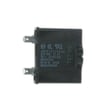
- Compressor start components (run capacitor): capacitor WR55X24064
| Where the noise is loudest | Most likely source | What you’ll notice |
|---|---|---|
| Freezer compartment | Evaporator fan motor | Hum/whir that changes when door opens/closes |
| Rear bottom of unit | Condenser fan | Louder with warm room temps or dirty coils |
| Rear bottom, deep hum | Compressor/capacitor | Longer run times, louder start or restart sounds |
Why it matters
A normal hum is part of efficient cooling, but an abnormally loud hum often means a fan is straining from dust buildup, vibration, or a worn motor. Catching it early helps prevent warm temperatures and food spoilage.
Last updated: February 2026
What is the most reliable side-by-side refrigerator?
If you want the most reliable side-by-side refrigerator, we recommend prioritizing simple, proven designs with strong parts availability and serviceability. GE side-by-side models like your GE GSS20GSDBSS are typically a solid reliability pick when they are installed with proper clearances and maintained (especially airflow and door sealing). For model-specific use and care details, use the owner's manual.
What “most reliable” means in real-world use
Reliability usually comes down to fewer breakdowns in these systems:
- Sealed system cooling (compressor, evaporator, condenser)
- Airflow (evaporator fan, condenser fan)
- Defrost system (prevents frost buildup that blocks airflow)
- Door sealing and alignment (prevents warm air leaks)
- Ice maker and dispenser (common wear area on side-by-sides)
How to choose a reliable side-by-side (what we look for)
When comparing brands and models, we focus on practical factors that reduce failures and make repairs straightforward:
- Fewer “extra” features (less electronics and fewer moving parts)
- Easy-to-clean condenser area and good ventilation
- Readily available replacement parts (fans, sensors, gaskets, controls)
- A design that keeps the evaporator fan and air channels clear
- A dispenser setup that is easy to service if it jams or leaks
Maintenance that directly improves reliability
For a GE side-by-side like model GSS20GSDBSS, these steps prevent many common service calls:
- Keep installation clearances: sides about 1/8 inch, top 1 inch, back 1 inch
- Clean dust from the condenser area regularly to protect cooling performance
- Replace the water filter about every 6 months (or sooner if flow slows)
- Make sure doors close fully and stay aligned; adjust if the tops are uneven
- Address unusual noises early (fans can be the cause)
Common “reliability” parts customers replace
| Symptom | Common area | Example part for this model |
|---|---|---|
| Warm fridge or freezer, noisy airflow | Evaporator fan | Rca refrigerator evaporator fan motor WR60X10185 |
| Poor cooling, hot cabinet sides, loud rear fan | Condenser fan | Refrigerator condenser fan WR60X10220 |
| Temps swing, food freezing or warming | Temperature sensing | Refrigerator temperature sensor WR55X10025 |
| Door not sealing, moisture or frost near edge | Door gasket | Refrigerator door gasket WR24X23195 |
Why it matters
A “reliable” side-by-side is usually the one that stays cold with stable airflow and tight door seals. If airflow is restricted or doors leak, the compressor and fans run longer, which increases wear and energy use.
Last updated: February 2026