Error Codes


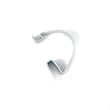
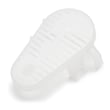
How do I reset the lid lock on my whirlpool washer?
On the Whirlpool washer model 4GWTW3000FW0, we reset the lid lock by removing power long enough to clear the control, then restarting a cycle. Unplug the washer (or switch off the breaker) for 5 minutes, restore power, and start a normal cycle with the lid fully closed.
Quick reset steps (most common fix)
- Press Pause/Cancel once (if the washer is responsive).
- Unplug the washer or turn OFF the breaker.
- Wait 5 minutes.
- Restore power.
- Open and close the lid firmly (make sure it clicks shut).
- Start a cycle and listen for the lid lock to engage.
If the lid still will not unlock or lock
A lid lock can fail to reset if the control still senses an unsafe condition (water in the tub, basket moving, or a lid not closing squarely).
- If there is water in the tub, select Drain/Spin and let it finish.
- Check for clothing caught between the lid and rim.
- Make sure the washer is level; excessive cabinet twist can prevent proper lid alignment.
- If the lock clicks repeatedly or never clicks, inspect the strike area and latch alignment.
Parts that commonly relate to lid lock symptoms
These parts do not “reset” the lock, but they are often involved when the washer will not spin, will not start, or acts like the lid is open.
| Symptom you see | Common direction | What we check next |
|---|---|---|
| Won’t start, lid won’t lock | Lid not closing squarely | Lid alignment and latch area |
| Stops mid-cycle, won’t spin | Control not seeing safe lock state | Wiring and control diagnostics |
| Drains poorly, then won’t unlock | Water not fully draining | Drain path and hose routing |
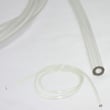
If you are also seeing drain issues, the washer drain hose W11244231 is a common wear item to inspect for kinks, clogs, or poor standpipe fit.
Why it matters
The lid lock is a safety system; if the control cannot confirm the lid is locked, the washer can refuse to agitate or spin. A proper reset clears temporary electronic glitches so you can confirm whether the issue is a one-time fault or a part problem.
Last updated: January 2026
What is the most common problem with whirlpool washers?
The most common Whirlpool washer problems are draining or spinning issues, leaks, and loud shaking or banging. On the Whirlpool 4GWTW3000FW0, these symptoms usually trace back to load balance and leveling, a worn drive system, or a drain path restriction.
Most common symptoms and what they usually mean
- Won’t spin or spins weakly: drive belt slipping, drive pulley wear, or gear case problems
- Won’t drain or drains slowly: kinked drain hose, standpipe issue, or an internal restriction
- Leaks: loose hose connections, cracked hose, or tub-related leaks
- Loud noise or heavy vibration: unbalanced load, worn suspension components, or a loose drive component
- Lid won’t lock or cycle won’t start: lid strike or lid switch alignment issues
Quick checks we recommend first (fast, no parts)
- Confirm the washer is level and all feet are firmly on the floor.
- Redistribute the load; bulky items can throw the basket off balance.
- Check the drain hose for kinks and make sure it is not shoved too far down the standpipe.
- Run a rinse and spin with the tub empty to see if the symptom changes.
- Listen for squealing or a rubber-burn smell during spin (often points to a belt/pulley issue).
Parts that commonly solve spin, noise, and agitation complaints
If the washer fills and drains but struggles to agitate or spin, these model-matched parts are common fixes:
| Symptom | Common cause | Model-matched part to check |
|---|---|---|
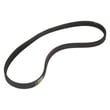
| Squeal, weak spin, burning rubber smell | Belt slipping or stretched | Washer drive belt WPW10006384 |
| Thumping, rattling under tub, belt walking | Pulley wear or wobble | Whirlpool washer drive pulley W10721967 |
| Excessive vibration, tub bouncing | Worn suspension | Damper assembly W10780045 |
Why it matters
Catching a drain, spin, or vibration problem early helps prevent secondary damage, such as a thrown belt, damaged pulley shield, or premature wear on the gear case and basket drive components.
Helpful troubleshooting resources
For fault codes and symptom-based troubleshooting, we recommend starting with Whirlpool belt drive top load washer error codes.
Last updated: January 2026
What is the life expectancy of a whirlpool washing machine?
Most Whirlpool washing machines, including model 4GWTW3000FW0, typically last 10 to 15 years. With consistent care (proper loading, correct detergent, and routine cleaning), it’s common for a washer to reach the upper end of that range before major repairs are needed.
What affects washer lifespan the most
We see washer life shorten fastest when the drive system, suspension, or drainage components are stressed.
- Avoid overloading; heavy loads strain the drive belt, gear case, and tub support
- Use the right amount of HE detergent; excess suds can cause longer run times and extra wear
- Keep the washer level; out-of-balance operation accelerates suspension and bearing wear
- Check hoses periodically for soft spots, bulges, or seepage
- Address new noises early (squeal, grinding, thumping) before secondary damage spreads
Common “wear parts” that can extend life when replaced
If your 4GWTW3000FW0 is otherwise in good shape, replacing a worn part is often the difference between a quick fix and a bigger breakdown.
| Symptom | Common wear area | Example part for this model |
|---|---|---|
| Squealing, burning rubber smell, weak spin | Belt and pulley system | Washer drive belt WPW10006384 |
| Loud banging, tub hitting cabinet, walking | Suspension/damping | Damper assembly W10780045 |
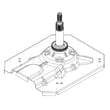
| Grinding, poor agitation/spin, oil leak under unit | Gear case/drivetrain | Washer gear case W11454741 |
Why it matters
A washer that’s maintained and repaired early usually costs less to keep running and cleans better. Small issues like a slipping belt or worn dampers can quickly turn into bigger problems such as drivetrain damage or tub wear.
Quick “life extension” checklist
- Run a monthly cleaning cycle (or hot wash with no laundry)
- Leave the lid open after use to reduce moisture and odor
- Wash bulky items in smaller batches to prevent repeated off-balance spins
- Stop using the washer if you hear grinding or smell burning; inspect the drive area
Last updated: January 2026