Owner’s manual
 Error Codes

How do I reset my Bosch dryer?
To reset a Bosch dryer like model WTG86400UC, we typically power-cycle it: turn the program selector to Off, wait about 1 minute, then select a cycle and press Start/Pause. If it still will not run or heat, check airflow and the lint system first using the WTG86400UC use and care manual.
Quick reset steps (WTG86400UC)
- Turn the program selector to Off.
- Unplug the dryer (or switch the breaker off).
- Wait 60 seconds.
- Restore power.
- Select a cycle (example: Cotton Dry) and press Start/Pause.
- If a cycle was stuck, you can also cancel it by turning the selector back to Off.
If the dryer trips off again: check the most common causes
Restricted airflow and lint buildup can cause overheating and safety shutoffs. Start with these checks:
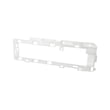
- Clean the lint screen and confirm it seats correctly (inspect the dryer lint screen and cover assembly 00752387).
- Clean the lint filter area and any accessible lint passages.
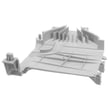
- If your model uses a heat exchanger, clean it as directed (inspect the dryer heat exchanger 00795875).
- Make sure the dryer has proper clearances and the air inlet is not blocked.
- If you see an error code, use the Bosch dryer error codes reference to identify what the control is detecting.
What “reset” can and cannot fix
| Situation | A reset helps? | What to do next |
|---|---|---|
| Control panel acting frozen | Yes | Power-cycle reset |
| Cycle paused or wrong cycle selected | Sometimes | Press Start/Pause, reselect cycle |
| No heat or stops mid-cycle | Usually not | Clean lint system, check heat exchanger, then troubleshoot |
| Door not detected as closed | No | Check door latch and door switch |
Why it matters
A reset clears minor control glitches, but it will not correct overheating, restricted airflow, or a failed component. Addressing lint and airflow first helps protect the heater, thermostat, and control board from repeat shutdowns.
Last updated: January 2026
Why is my Bosch washer dryer not drying properly?
If your Bosch WTG86400UC dryer is not drying properly, the most common causes are restricted airflow through the lint path or heat exchanger, a cycle or load issue, or a sensor or temperature-limiting problem. Start with cleaning and cycle checks from the WTG86400UC use and care manual before moving to part inspection.
Quick checks that fix most “not drying” complaints
- Clean the lint filter before or after every load and make sure it seats fully.
- Clean the heat exchanger and close the maintenance flap completely.
- Reduce load size; tightly packed loads dry slowly and can confuse sensor cycles.
- Avoid mixed loads (heavy towels with light synthetics); use a cycle that matches the fabric.
- Confirm the dryer is in the recommended ambient temperature range (about 41 to 95°F).
Parts to inspect on WTG86400UC if cleaning does not help
If the dryer runs but clothes stay damp, these model-compatible parts are common suspects:
- Dryer lint screen and cover assembly 00752387: a torn screen or poor sealing can restrict airflow.
- Dryer heat exchanger 00795875: clogged fins reduce moisture removal and extend dry times.
- Dryer high-limit thermostat 00617454: if it trips or is failing, the dryer may limit heat to protect itself.
- Dryer temperature sensor 00613753: incorrect temperature feedback can shorten cycles or reduce drying performance.
Symptom-to-cause guide
| What you notice | Most likely cause | What to do first |
|---|---|---|
| Drying takes much longer than normal | Lint buildup or heat exchanger restriction | Clean lint path and heat exchanger |
| Cycle ends but clothes are still damp | Load too small/mixed, moisture sensing issue | Try a different cycle and clean sensing areas |
| Dryer runs but performance is inconsistent | Temperature sensing or heat limiting | Check sensor and high-limit thermostat |
| Error code appears | Control detected a fault | Use Bosch dryer error codes to identify the code |
Why it matters
On this Bosch design, airflow and heat exchange are the foundation of drying performance. Keeping the lint path and heat exchanger clean helps prevent long dry times, repeated overheating protection events, and extra wear on sensors and controls.
Last updated: January 2026
What does E09 mean on a Bosch dryer?
On the Bosch WTG86400UC dryer, the exact meaning of error code E09 is not identified in the model-specific information we have for this unit. In practice, E09 is commonly treated as a heat-system or temperature-control related fault on many Bosch dryers; if it repeats, we recommend basic airflow and maintenance checks, then service if needed.
What we can confirm for WTG86400UC
The WTG86400UC manual provides cleaning, care, and general troubleshooting steps, but it does not list E09 in the excerpted troubleshooting section. Because Bosch uses different code sets across series and revisions, the same code can mean different things on different models.
Safe first steps to try
- Power reset: turn the dryer Off, then restore power after a short pause.
- Clean the lint filter and the lint filter area.
- Clean the heat exchanger and make sure the maintenance flap closes fully.
- Verify the drain hose is routed correctly and not kinked (condensate drainage issues can trigger faults).
- Run a normal cycle and watch whether the code returns immediately or only after heating begins.
Parts that are often involved when a heat or temperature fault is suspected
If E09 keeps coming back on WTG86400UC, these model-listed parts are common suspects for diagnosis by a technician:
- Dryer temperature sensor 00613753 (monitors temperature for the control)
- Dryer high-limit thermostat 00617454 (safety device that can open if overheating occurs)
- Dryer heat exchanger 00795875 (restricted airflow through the exchanger can contribute to overheating and poor drying)
- Dryer electronic control board 00635909 (manages heating and monitors sensors)
Symptom-to-check guide
| What you notice | What to check first | What it can point to |
|---|---|---|
| Code appears with long dry times | Lint filter, heat exchanger, airflow | Air restriction, sensor feedback issues |
| Code appears after a few minutes | Heat exchanger cleanliness, thermostat/sensor | Overheat protection or temperature sensing |
| Code returns after reset every cycle | Maintenance items OK, then service | Control or sensor circuit issue |
Why it matters
When the dryer detects an abnormal heating or temperature condition, it may limit or stop heating to protect components. Addressing airflow and maintenance first can prevent repeat shutdowns and improve drying performance.
Last updated: January 2026