


What is the typical lifespan of a gas snowblower?
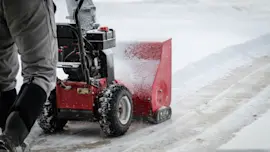
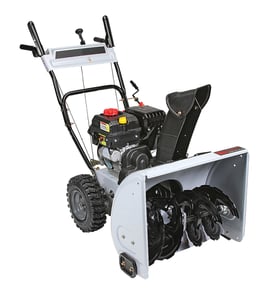
A well-maintained gas snowblower like the Troybilt 42000 (21" 5-hp snow thrower) typically lasts 10 to 15 years. With consistent seasonal maintenance and proper off-season storage, many units reach 15 to 20 years of service.
Typical lifespan ranges
- Light residential use (short driveway, a few storms/year): 12 to 20 years
- Average residential use: 10 to 15 years
- Heavy use (long driveway, wet snow, frequent storms): 8 to 12 years
- Commercial-style use: 5 to 10 years (unless built for commercial duty)
What makes a gas snowblower last longer
- Change engine oil on schedule and keep the oil at the correct level
- Use fresh fuel and add fuel stabilizer before storage
- Keep the auger and chute clear of packed snow and debris
- Inspect belts, cables, and fasteners; tighten loose hardware
- Replace wear items before they cause secondary damage (scraper bar, bushings, sprockets)
Common wear items that affect longevity
| Area | What wears | What you notice | Example part for this model |
|---|---|---|---|
| Drive system | Belt, sprockets, bushings | Poor self-propel, slipping, jerky movement | Troy-bilt v-belt 1752194 |
| Auger housing contact | Scraper bar | Leaves snow behind, poor scrape | Troy-bilt scraper bar 1749281010 |
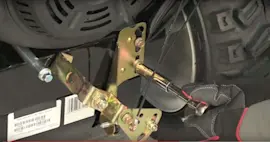
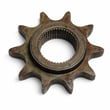
| Transmission/axle | Gears, retaining rings, bearings | Grinding, binding, loss of drive | Snowblower transmission drive sprocket 786047 |
Why it matters
A snowblower usually “fails early” from neglected fuel, worn drive components, or corrosion during storage. Staying ahead of routine maintenance and replacing worn parts keeps the engine and drive system from taking on avoidable stress.
Last updated: January 2026
Is a 3 stage snowblower better than a 2 stage?
A 3-stage snowblower is better than a 2-stage when you regularly deal with deep, heavy, wet, or plow-packed snow because it typically feeds snow faster and reduces clogging. For a smaller 21-inch machine like Troybilt model 42000, a 2-stage design is usually the practical choice for typical residential snowfall.
2-stage vs 3-stage: what changes
The biggest difference is how snow is pulled in and moved to the impeller.
- 2-stage: auger gathers snow and feeds it to an impeller that throws it
- 3-stage: adds an accelerator (a third rotating component) to move snow faster into the impeller
- Result: 3-stage units usually clear faster in dense snow, but they are often heavier and more complex
Which one is “better” for your driveway
“Better” depends on snow type, driveway size, and how much you value speed vs maneuverability.
| If you mostly get... | 2-stage is usually best because... | 3-stage is usually best because... |
|---|---|---|
| Light to moderate snow (typical storms) | easier handling, plenty of capacity | extra speed is not always needed |
| Heavy, wet snow | good performance with proper technique | faster intake, fewer slowdowns |
| End-of-driveway plow berms | can work, but may require smaller bites | typically chews through faster |
Why it matters
Choosing the right stage helps you match clearing speed to real conditions. A larger, more aggressive 3-stage can save time in harsh winters, while a simpler 2-stage is often easier to maintain and control for everyday use.
Maintenance note (applies to both)
No matter the stage, drivetrain wear parts matter most for consistent self-propelled performance.
- Keep the drive system adjusted so it engages fully
- Replace worn belts before they start slipping
- Inspect sprockets and gears if drive feels jerky or inconsistent
- If you are servicing the transmission area, match parts by model 42000
If you are troubleshooting drive engagement on this model, common related parts include the snowblower transmission drive sprocket 786047 and the snowblower drive cable 1771727P.
Last updated: January 2026
What is the best snow blower for the money?
For the best value, we match the snow blower to your snow depth, driveway size, and how much maintenance you want. A Troybilt 42000 (21-inch, 5-hp class) style gas snow thrower is typically a strong “money” choice for smaller to mid-size areas when you want solid throwing power without paying for a larger, heavier machine.
Best value picks by situation
- Small to mid driveways, moderate snow: single-stage gas (like the Troybilt 42000 class) for good performance per dollar
- Heavier snow or long driveways: two-stage gas for higher intake height and easier clearing
- Low maintenance and quick starts: battery electric for convenience and less upkeep
- Tight storage space: compact single-stage units
- Ice-packed end-of-driveway plow berms: two-stage gas with aggressive auger and traction
Quick comparison (what you get for the money)
| Type | Best for | Typical clearing width | Typical snow depth | Ongoing upkeep |
|---|---|---|---|---|
| Single-stage gas | Moderate snow, smaller areas | 18 to 22 in. | Light to moderate | Medium |
| Two-stage gas | Deep snow, big areas | 24 to 30 in. | Moderate to heavy | Medium to high |
| Battery electric | Convenience, lighter snow | 18 to 24 in. | Light to moderate | Low |
What to look for so you do not overpay
- Clearing width: buy the smallest width that still clears your path efficiently
- Drive system: self-propelled matters most on slopes and long runs
- Intake height: key for deep snow (two-stage usually wins here)
- Chute control: quick, glove-friendly controls save time in real use
- Parts support: common wear items (belts, scraper bar, bushings) should be easy to source
Why it matters
“Best for the money” comes from buying the right size machine. Oversizing costs more up front and is harder to maneuver; undersizing costs time and frustration in heavy snow.
If you are maintaining a Troybilt 42000, replacing wear parts on schedule helps it keep performing like a good-value machine; a worn scraper bar is a common example (see troy-bilt scraper bar 1749281010).
Last updated: January 2026
How much should I pay for a snowblower?
For a residential snowblower like the Troybilt 42000 (a 21-inch, 5-hp snow thrower), most shoppers pay in the mid-hundreds to low-thousands depending on clearing width, drive type, and condition; expect a higher price for self-propelled gas units and a lower price for small electric models.
Typical price ranges (what we see most often)
- Corded electric (single-stage): about $120 to $300
- Battery electric (single-stage): about $300 to $900
- Gas single-stage: about $300 to $800
- Gas two-stage (most common for driveways): about $600 to $1,800
- Commercial three-stage: can run several thousand dollars and up
What changes the price the most
- Snowblower type: single-stage vs two-stage vs three-stage
- Clearing width: wider housings usually cost more
- Drive system: self-propelled costs more than push models
- Engine size and build: heavier-duty auger/impeller and gearbox designs raise cost
- Condition (used): rust, worn scraper bar, and slipping drive reduce value
- Parts availability: common wear parts being easy to source helps long-term value
Quick “buy decision” checklist
- Confirm the model number on the machine matches Troybilt 42000 (so parts diagrams match).
- Check for smooth auger/impeller rotation (engine off) and no grinding.
- Verify drive engagement and speed changes; slipping often points to belt or friction-drive wear.
- Inspect wear items like the scraper bar and skid shoes; budget for replacement if rounded.
- Price in maintenance parts and hardware you may need during setup or repair.
Common cost add-ons to plan for
| Item | Why it matters | Typical impact |
|---|---|---|
| Shear pins, belts, hardware | Keeps auger and drive working reliably | Low to moderate |
| Scraper bar and skid shoes | Restores clean scraping and protects housing | Moderate |
| Transmission/drive components | Fixes slipping or no-drive complaints | Moderate to high |
If you are comparing a used unit, checking the condition of the drive and transmission parts (for example, the snowblower transmission drive sprocket 786047) helps you avoid paying “new machine” money for a snowblower that needs major drivetrain work.
Why it matters
Paying the right amount is mostly about matching the snowblower to your snowfall and driveway size; overspending on capacity you do not need costs more up front, while undersizing often leads to clogging, slow clearing, and faster wear on belts and drivetrain parts.
Last updated: January 2026