
Are air compressor parts interchangeable?
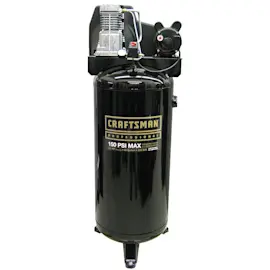
Air compressor parts are not reliably interchangeable, even between similar-looking units. For a Craftsman 10217335 two-stage, two-cylinder vertical tank-type air compressor, parts must match the exact model’s design, pressure rating, and mounting style to fit correctly and run safely.
What usually is not interchangeable
Even “standard” items can vary by size, thread type, and calibration.
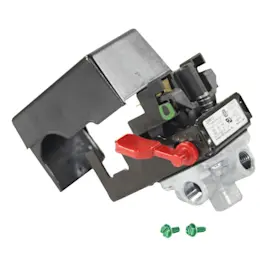
- Pressure switch: cut-in/cut-out settings and port sizes differ
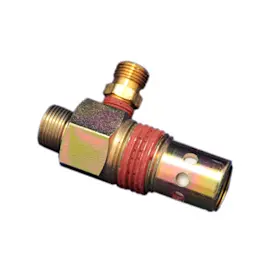
- Check valve: tank port thread and flow direction must match
- Regulator: inlet/outlet sizes and pressure range vary
- Safety relief valve: must match the compressor’s rated PSI and thread
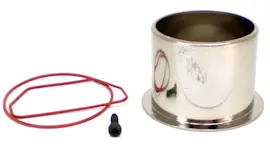
- Pump components (valves, gaskets, cylinders): model-specific tolerances
- Motor/capacitor: voltage, HP, RPM, and mounting pattern must match
What can be interchangeable (with verification)
Some items are more universal, but we still match them by specs, not by appearance.
- Air hose fittings and quick-connect couplers (verify NPT size and type)
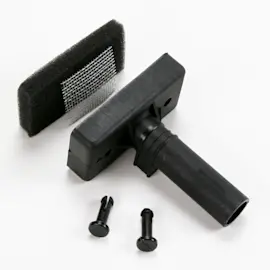
- Intake air filter elements (verify diameter and thread or clamp size)
- Drain valve styles (verify tank port thread)
Quick compatibility checklist (what to compare)
Use this list before ordering or installing any replacement part:
| What to match | Why it matters |
|---|---|
| Model number: 10217335 | Ensures correct fit and function |
| Thread type and size (NPT, metric) | Prevents leaks and stripped ports |
| Pressure rating (PSI) | Avoids unsafe overpressure conditions |
| Electrical specs (volts, amps) | Prevents motor and control damage |
| Mounting style and port orientation | Avoids misalignment and vibration |
Why it matters
A mismatched valve, switch, or regulator can cause hard starting, constant running, air leaks, nuisance tripping, or unsafe pressure behavior. Matching by model and specifications protects performance and helps the compressor reach and hold pressure correctly.
How we recommend you confirm the right part
- Confirm the data plate reads Craftsman 10217335
- Identify the failed component (control, air delivery, pump, or tank fitting)
- Compare thread size, pressure rating, and electrical ratings on the old part
- Use a multimeter for electrical checks when needed; see how to use a multimeter to test electrical parts video
Last updated: February 2026
How to find air compressor model number?
For a Craftsman air compressor like model 10217335, the model number is stamped on the unit’s identification label (often a metal or foil placard). Once you find it, match the full model number exactly to get the correct parts and diagrams.
Where to look on the compressor
Check these common spots on a two-stage, vertical tank-style compressor:
- The tank near the base, close to the drain valve
- The rear of the tank (facing away from the controls)
- The pump/motor mounting area on the frame
- Near the pressure switch and gauge manifold
- On a side panel or belt guard (if equipped)
What the label usually shows
Most Craftsman compressor ID labels include more than just the model number. Use the model number first, then keep the rest for reference.
| Label item | What it’s used for |
|---|---|
| Model number | Matching the correct parts list and diagrams |
| Serial number | Identifying the specific production run |
| Voltage/phase | Confirming motor and electrical compatibility |
| Max pressure (PSI) | Verifying safe operating limits |
Tips to avoid ordering the wrong parts
- Write the model number exactly as stamped (include all digits and any dashes).
- If the label is dirty, wipe it with a damp rag; avoid solvents that can erase printing.
- If the label is scratched, shine a flashlight across it at a low angle to make the stamping easier to read.
- Use the model number to search parts by model on Sears PartsDirect.
Why it matters
Air compressors often share similar tanks and pumps across multiple versions, but parts like the pressure switch, regulator, check valve, and motor components can vary by model and voltage. Using the exact model number helps ensure fit and safe operation.
Last updated: February 2026
Is a 20 gallon air compressor big enough for air tools?
Yes, a 20-gallon compressor is big enough for many common air tools when you use them intermittently. With a Craftsman 10217335 two-stage vertical air compressor, the real deciding factor is the tool’s CFM requirement at 90 PSI, not just tank size.
What a 20-gallon tank handles well
A 20-gallon tank gives you a useful air “buffer,” so short bursts of air use work well.
- Brad/finish nailers and staplers
- Tire inflation and blow guns
- Small ratchets and light-duty impact use (with pauses)
- Short, occasional use of air chisels
- Small touch-up jobs (only if the sprayer’s CFM demand is low)
When 20 gallons feels too small
If the tool needs steady airflow, the tank empties quickly and the pump runs frequently; pressure can sag and tool performance drops.
- DA sanders and air grinders
- HVLP/continuous paint spraying (most setups)
- Media blasting
- Any tool with a high, continuous CFM rating
Quick sizing rule (tank vs. CFM)
Use the tool label or manual and match it to your compressor’s output.
| Tool type | Air demand pattern | 20-gallon tank fit | What you’ll notice if undersized |
|---|---|---|---|
| Nailers | Short bursts | Good | Rare cycling issues |
| Impact wrench | Bursts | Usually OK | More waiting between fasteners |
| Sander/grinder | Continuous | Poor | Pressure drop, nonstop running |
| Paint sprayer | Continuous | Often poor | Inconsistent spray pattern |
Why it matters
Tank size mainly affects how long you can work before pressure drops. CFM at the pressure you use determines whether the compressor can keep up while you work.
Practical tips to get better results with air tools
- Check the tool’s required SCFM/CFM at 90 PSI and compare before buying/using.
- Set the regulator correctly; don’t run higher PSI than the tool needs.
- Use a larger diameter hose for higher-demand tools to reduce pressure drop.
- Drain the tank regularly to reduce water in the air line.
- If you do frequent sanding or spraying, plan on a higher-CFM compressor (tank size alone will not fix it).
For help confirming you have the exact model before ordering maintenance items, use how to find your appliance model number (and what it means for parts).
Last updated: February 2026
What is the most common cause of air compressor failure?
The most common cause of failure on a Craftsman 10217335 two-stage, two-cylinder vertical tank-type air compressor is lack of preventive maintenance, especially dirty or restricted intake filtration and moisture left in the tank; overheating and electrical problems are also frequent contributors.
Top failure causes we see most often
- Skipped maintenance (dirty intake filter, old oil on oil-lubed pumps, loose fasteners)
- Moisture and rust from not draining the tank regularly
- Overheating from poor ventilation, clogged cooling fins, or long run times
- Air leaks at fittings, hoses, check valve, or drain valve that force longer run time
- Electrical issues (weak power supply, damaged cord, failing pressure switch, blown fuse)
Quick checks you can do first (fast triage)
- Listen and look for leaks: spray soapy water on fittings and watch for bubbles.
- Check ventilation: keep the pump and motor area clear; clean dust from cooling surfaces.
- Drain the tank: open the drain valve until water stops, then close it.
- Verify power: confirm the outlet and breaker match the compressor’s requirements; inspect cord and plug.
- Watch the duty cycle: if it runs nearly nonstop, fix leaks or restrictions before the pump overheats.
Symptoms and the most likely cause
| Symptom | Most likely cause | What to do next |
|---|---|---|
| Runs hot, shuts off | Overheating, restricted airflow, low oil (if applicable) | Improve airflow, clean cooling areas, check oil level/type |
| Runs constantly, won’t build pressure | Air leak, intake restriction, valve issue | Leak test, check intake filter, inspect valves |
| Won’t start or trips breaker | Electrical supply issue, motor/pressure switch problem | Check breaker/outlet, inspect wiring, test components |
| Water in air tools/lines | Tank moisture carryover | Drain tank, add water separator, shorten hose runs |
Why it matters
When maintenance is skipped, the compressor runs hotter and longer to do the same work. That accelerates wear on the pump, valves, and motor, and it increases the chance of electrical overloads.
For safe DIY electrical testing, we recommend using a meter correctly; see our how to use a multimeter to test electrical parts video.
Last updated: February 2026