Owner’s manual



What is the typical lifespan of a gas snowblower?
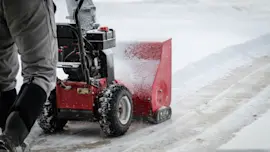
A gas snowblower typically lasts 10 to 15 years with normal residential use and consistent maintenance. For the Craftsman 247886510 snow thrower, following the lubrication, tune-up, and storage steps in the 247886510 owner's manual helps you reach that lifespan and avoid premature wear.
What affects lifespan the most
- Maintenance frequency (oil changes, lubrication, fastener checks)
- Storage habits (fuel system prep for off-season storage)
- Operating conditions (wet heavy snow, gravel drives, impacts with hidden objects)
- Wear items (belts, friction wheel, shear bolts, spark plug)
- Rust prevention (cleaning and protecting bare metal)
Maintenance checklist that extends service life
The manual emphasizes routine checks and proper storage. These habits make the biggest difference:
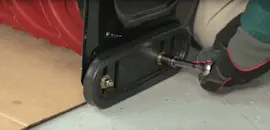
- Check and tighten shear bolts and mounting bolts regularly
- After hitting a foreign object, stop the engine and inspect for damage before continuing
- Run the machine a few minutes after throwing snow to help prevent auger/impeller freeze-up
- For storage of 30 days or longer, run the engine until the tank is empty and drain remaining fuel as directed
- Clean the unit thoroughly; coat metal surfaces lightly to reduce corrosion during storage
Common “end-of-life” symptoms vs repairable issues
| Symptom | Often repairable? | Typical cause |
|---|---|---|
| Poor drive or slipping | Yes | Worn friction wheel or drive belt |
| Auger stops under load | Yes | Belt wear, cable adjustment, shear bolt issue |
| Excessive vibration | Yes (after inspection) | Loose hardware, damaged auger/impeller |
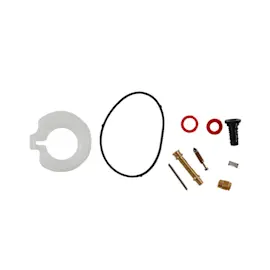
| Hard starting after storage | Yes | Old fuel, carburetor varnish, spark plug |
Why it matters
A snowblower that is maintained and stored correctly starts easier, throws snow more consistently, and avoids expensive damage from loose hardware, fuel issues, and corrosion. That is how most owners get the full 10 to 15 years from a gas snowblower.
Last updated: January 2026
How to get rid of old gas in snowblower?
For the Craftsman snow thrower model 247886510, the most reliable way to get rid of old gas is to run the engine until the tank is empty, then disconnect the fuel line and drain any remaining fuel into an approved container outdoors. See the 247886510 owner's manual for the exact storage and fuel-draining steps.
Safe ways to remove old fuel
Option A: Empty the system for storage (best for 30+ days)
- Run the engine until it stops from lack of fuel.
- Turn the engine OFF and let it cool.
- Disconnect the fuel line at the carburetor or fuel tank.
- Drain remaining fuel into an approved container outdoors, away from ignition sources.
- Reconnect the fuel line securely before the next start.
Option B: Drain fuel from the carburetor bowl (quick fix for stale fuel)
If the engine will only run on choke or will not start, stale fuel may be sitting in the carburetor bowl. Draining the bowl removes the worst fuel first.
- Shut the engine OFF and let it cool.
- Place an approved container under the carburetor area.
- Loosen the carburetor bowl fastener and drain fuel.
- Tighten the fastener, then refill with fresh gasoline.
What to do after you drain the gas
- Refill with clean, fresh gasoline.
- Clear the gas cap vent if it is packed with ice or snow.
- If you used gasohol, flush the system by adding a small amount of fresh gasoline and repeating the drain steps.
- If the unit has been sitting, check engine oil level before starting.
Quick comparison
| Goal | Best method | When to use it |
|---|---|---|
| Prevent storage problems | Run dry + drain fuel line | Storage 30 days or longer |
| Fix hard starting from stale fuel | Drain carburetor bowl | Old fuel in bowl or rough running |
| Reduce winter maintenance issues | Fresh fuel + basic checks | During the season |
Why it matters
Old gasoline can clog the fuel line and carburetor, causing hard starting, loss of power, and running only on choke. Fully emptying the fuel system before storage helps prevent those problems and protects the engine.
Last updated: January 2026
Where is Craftsman Snowblower model number?
On the Craftsman snow thrower model 247886510, the model number is printed on the identification label; it’s commonly found on the rear of the unit between the wheels or on the side of the frame near the auger housing. For the exact label location diagram, use the 247886510 owner's manual.
Common places to check on a snowblower
- Rear frame area between the wheels (most common)
- Side of the main frame near the auger housing
- Near the engine mounting plate area
- On the handle support panel or handle frame
- On the blower housing assembly area
What the label looks like and what to copy
Write down the model number exactly as shown so we can match the correct Craftsman parts and diagrams.
| Item on label | Example for this unit | Why it matters |
|---|---|---|
| Model number | 247.886510 (often shown as 247886510) | Identifies the correct parts breakdown |
| Brand | Craftsman | Helps narrow parts families |
| Product type | Snow thrower | Confirms you are in the right category |
Why it matters
The model number is the key to getting the right repair parts for your snowblower, especially for fit-critical items like the chute components, drive belts, and friction wheel.
If the label is missing or unreadable
- Check for a second label on the frame or handle area
- Look for the model number printed in the parts list pages of the manual
- Match major assemblies (chute, drive mechanism, auger housing) to the diagrams in the manual
Last updated: January 2026
Should I use 87 or 91 for snowblower?
For the Craftsman snow thrower model 247886510, we recommend using fresh regular unleaded gasoline with a minimum of 87 octane. Using 91 octane typically does not improve power or starting; fuel freshness and proper storage practices matter more for reliable winter operation.
What to use (and what to avoid)
- Use 87 octane or higher unleaded gasoline.
- Use fresh fuel (ideally less than 30 days old, or stabilized).
- Add fuel stabilizer if the snowblower will sit for more than a few weeks.
- Avoid old gasoline (stale fuel is a top cause of hard starting and rough running).
- Avoid spilling fuel; wipe up any spills before starting.
Quick comparison: 87 vs 91 octane
| Fuel choice | Works in model 247886510? | Best for | Notes |
|---|---|---|---|
| 87 octane (regular) | Yes | Normal use | Correct minimum octane for most snowblower engines |
| 91 octane (premium) | Yes | No added benefit for most users | Higher octane does not fix starting issues caused by stale fuel |
Storage and cold-weather tips that prevent fuel problems
Good fuel habits reduce carburetor varnish and gumming, and they help the engine start easier in cold weather.
- If storing for the season, follow the fuel and storage steps in the 247886510 owner's manual.
- Let the machine adjust to outdoor temperature before starting.
- Keep the fuel cap secure and clean up any spilled gasoline before starting.
- After each use, wipe snow and moisture from the carburetor cover area and move the control levers back and forth.
Why it matters
Octane is mainly about preventing knock in high-compression engines. Most snowblower engines are designed to run correctly on regular fuel, so fresh, stabilized gasoline and proper maintenance do more for performance than paying for premium.
Last updated: January 2026