 Owner’s manual



Does a GE washer have a filter that needs to be cleaned?
Yes, GE washer model GTW755CPM1DG has areas that act like filters and should be kept clear, especially the drain pump path and drain hose. Regular cleaning prevents slow draining, odors, and “no drain” problems; follow the cleaning and care steps in the GTW755CPM1DG owner's manual.
What “filter” means on this GE top-load washer
Many GE top-load washers do not have a simple, front-access pump filter door like some front-load models. Instead, routine maintenance focuses on keeping the drain system and wash basket clean.
Common “filter” points to check:
- The drain hose for lint buildup or kinks
- The drain pump area for small items (coins, socks) that can block flow
- The wash basket and tub for residue that can cause odor
Quick maintenance steps we recommend
- Run the Basket Clean cycle monthly (minimum) to help control odor and buildup.
- Use HE detergent and avoid over-dosing; excess suds can worsen residue and drainage performance.
- Check draining performance: if water remains after spin, inspect the drain hose routing and standpipe.
- If you suspect a clog or grinding noise during drain, plan to inspect the pump and hose.
Symptoms and the most likely “filter” area
| Symptom | Most likely area to check | Related part (if replacement is needed) |
|---|---|---|
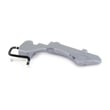
| Won’t drain or drains slowly | Pump or hose restriction | Washer drain pump assembly WH23X28418, washer drain hose WH41X32477 |
| Musty/dirty washer odor | Tub and basket residue | Use Basket Clean cycle per manual |
| Loud buzzing/grinding during drain | Debris in pump | Washer drain pump assembly WH23X28418 |
Why it matters
A partially blocked drain path makes the washer work harder during drain and spin, which can lead to poor cleaning results, longer cycle times, and standing water that causes odor.
Last updated: February 2026
How to replace auger on GE washer?
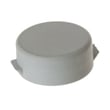
On the GE GTW755CPM1DG top-load washer, replacing the agitator auger is a quick top-of-tub repair: remove the dispenser/cap, lift off the old auger, then set the new auger onto the tabs and twist to lock it in place. Use the GTW755CPM1DG owner's manual for the exact dispenser and agitator configuration.
Steps to replace the auger
- Unplug the washer for safety.
- Open the lid and remove the fabric softener dispenser or top cap (style varies by model).
- Lift the old auger straight up and off the agitator base.
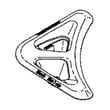
- Install the new washer agitator auger WH43X31240: set it over the tabs, then twist counterclockwise until it locks.
- Reinstall the dispenser by aligning it with the grooves on the auger and pressing firmly until fully seated.
- Run a quick rinse or small load to confirm normal agitation.
What you should notice after the repair
| Check | Normal result | If not normal |
|---|---|---|
| Auger fit | Sits flat, no wobble | Remove and re-seat on tabs, twist to lock again |
| Dispenser fit | Snaps in, stays put | Re-align grooves, press firmly |
| Wash action | Clothes roll and circulate | Verify auger is locked; inspect agitator base for damage |
Why it matters
A loose or worn auger can reduce turnover at the top of the load, leading to poor cleaning and tangling. A properly locked auger restores normal circulation and helps the washer deliver consistent wash performance.
Last updated: February 2026
Where to find model on GE washer?
On the GE GTW755CPM1DG top-load washer, the model and serial number label is located under the lid. Lift the lid and look along the underside area near the opening to find the sticker you can copy from. See the GTW755CPM1DG owner's manual for the exact label location illustration.
Quick places to check on this washer
- Under the washer lid (model and serial label)
- Along the top rim of the cabinet opening (just under the lid)
- Near the hinge area under the lid (common spot for the sticker)
- On the back of the cabinet (less common for this model, but worth a quick look)
How to read the label correctly
When you find the sticker, write down both numbers:
- Model number: GTW755CPM1DG
- Serial number: unique to your washer
Tips that prevent mix-ups
- Copy the full model number exactly (letters and numbers matter)
- Take a clear photo before ordering parts like a drain pump, lid lock, or water inlet valve
- Use the model number when looking up diagrams and troubleshooting steps
Why it matters
The model number ensures we match the correct GE washer parts and service information for your exact configuration. Even small model variations can change parts like the lid lock, shifter, or control board.
Common label locations by washer type (comparison)
| Washer type | Most common model label location | What to do |
|---|---|---|
| GE top-load (like GTW755CPM1DG) | Under the lid | Lift lid and check the underside area |
| GE front-load | Door opening or door jamb | Open door and inspect the frame area |
Last updated: February 2026
Why is my GE washer leaking water from underneath?
On the GE GTW755CPM1DG top-load washer, a leak from underneath is usually caused by a failing drain component (pump or drain hose), loose hose connections, or leaking fill hoses dripping down the cabinet. Start by checking hoses and clamps, then inspect the pump area for active drips using the GTW755CPM1DG owner’s manual.
Quick checks we recommend first
- Turn off both water faucets before inspecting to prevent more leaking.
- Look for water trails on the cabinet base; they often point back to the source.
- Check the fill hoses at the faucets and at the washer for seepage or spray.
- Inspect the drain hose for splits, pinholes, or a loose connection at the standpipe.
- Run a short Rinse/Spin and watch underneath with a flashlight (keep hands clear of moving parts).
Most common causes and the likely fix
| What you see | Most likely cause | What to do next |
|---|---|---|
| Water appears during drain or spin | Drain pump leak or loose pump hose | Inspect and replace the washer drain pump assembly WH23X28418 if it’s dripping from the pump body |
| Slow puddle even when not running | Fill hose seepage at faucet/washer | Tighten connections; replace hoses (GE recommends new hoses every 5 years) |
| Water only when draining | Drain hose split or loose | Re-seat and clamp; replace the drain hose if damaged |
| Intermittent leak after pausing with lid open | Automatic drain sequence activates | Confirm the drain path is secure and not backing up (standpipe height and fit) |
Model-specific notes that matter for GTW755CPM1DG
- GE recommends replacing water supply hoses every 5 years to reduce the risk of hose failures and water damage.
- The washer can automatically drain if the lid is left open more than 15 minutes with water present; a weak drain connection can show up as an “underneath” leak during that automatic drain.
Why it matters
Leaks from underneath can quickly damage flooring and can also lead to repeated drain errors if water reaches wiring or the motor area. Catching a small hose seep or pump drip early usually prevents a bigger repair.
Last updated: February 2026


