



What is the thing at the bottom of my dishwasher?
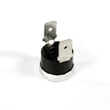
In a Whirlpool GU980SCGQ2 undercounter dishwasher, the “thing” at the bottom is usually the heating element; it warms the wash water and helps the dishwasher dry dishes. Nearby, you may also see the sump area and the lower spray arm connection.
What you might be seeing (common parts at the bottom)
- Heating element: a metal loop or bar running along the tub floor; heats water and boosts drying.
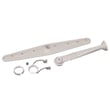
- Lower spray arm and hub: the rotating arm that sprays upward; sits over the sump.
- Float: a small dome or cylinder that helps prevent overfilling.
- Filter/sump area: the low point where water collects before recirculating.
Quick identification guide
| What it looks like | Most likely part | What it does |
|---|---|---|
| Exposed metal loop/bar on the tub floor | Heating element | Heats water; improves drying |
| Plastic arm with spray holes | Lower spray arm | Distributes wash water |
| Small cap/dome that moves up and down | Float | Signals water level |
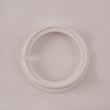
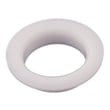
| Rubber ring or gasket near spray arm base | Seal | Helps prevent leaks at the spray arm |
When it’s a problem (symptoms that point to a failed part)
- Dishes come out cool, wet, or not drying (often heater-related)
- Water is not getting hot during the cycle
- Poor cleaning, especially on the bottom rack (often spray arm or seal-related)
- Leaks near the door or tub edge (often door seal-related)
Parts we commonly replace for these symptoms
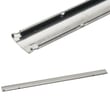
- If you suspect a leak at the door: dishwasher door seal WPW10509257
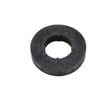
- If the lower spray arm area is dripping or loose: dishwasher lower spray arm seal WP3376846
- If the spray pattern seems weak or uneven: dishwasher spray arm 675808
Why it matters
The bottom components control water temperature, circulation, and sealing. When the heater, spray arm, or seals are worn, you can get poor cleaning, longer cycles, or leaks.
Last updated: February 2026
Is there a filter that needs to be cleaned in a Whirlpool dishwasher?
Yes. Whirlpool dishwashers, including model GU980SCGQ2, use a filter area in the bottom of the tub to help trap food soil so it does not redeposit on dishes; cleaning it regularly helps prevent odors, poor washing, and slow draining.
Where the filter area is (and what you will see)
On most Whirlpool undercounter dishwashers, the filter area is on the tub floor under the lower spray arm. Depending on the design, you may see a removable filter assembly or a screen and sump area that needs routine rinsing.
Typical access steps:
- Turn the dishwasher off; let the heater area cool.
- Pull out the lower rack.
- Locate the lower spray arm and the filter or screen area beneath it.
- Twist-lift or unclip the filter (if removable).
- Rinse under warm water; use a soft brush for stuck-on debris.
- Reinstall the filter fully seated; then reinstall the rack.
How often to clean it
Most households do best with a quick check monthly; heavy use or lots of starchy foods may need more frequent cleaning.
| Usage pattern | Recommended check/clean |
|---|---|
| Light use (few loads/week) | Every 2 to 3 months |
| Typical family use | Monthly |
| Heavy use or lots of food soil | Every 2 to 4 weeks |
If you still have grit, odor, or poor cleaning
A dirty filter is common, but these issues can also point to spray or drain problems.
Check these quick items:
- Make sure the lower spray arm spins freely and holes are not clogged.
- Confirm the dishwasher is draining strongly at the end of the cycle.
- Avoid overloading; keep tall items from blocking the spray path.
- Use the correct detergent amount for your water hardness.
- If the tub is not filling well, the water inlet system may be restricted.
Parts that often relate to these symptoms on GU980SCGQ2:
Why it matters
A clean filter area keeps wash water moving properly through the pump and spray arms. That improves cleaning performance, reduces redeposit, and helps the dishwasher drain and dry more consistently.
Last updated: February 2026
Can I replace dishwasher parts myself?
Yes, for a Whirlpool GU980SCGQ2 undercounter dishwasher, you can replace many common parts yourself if you shut off power at the breaker and turn off the water supply first. Straightforward repairs include leak and wash-performance parts like the dishwasher door seal WPW10509257 and dishwasher spray arm 675808; more involved electrical or plumbing repairs take more time and careful testing.
Good DIY repairs vs. better left to a pro
Typically DIY-friendly
- Door leaks at the tub opening (replace the dishwasher door seal WPW10509257)
- Poor spray coverage or clogged jets (replace the dishwasher spray arm 675808)
- Door not latching (replace the dishwasher door latch WP3380854)
- Not draining due to a split or kinked hose (replace the dishwasher drain hose WP3374077)
Often better for experienced DIYers or a technician
- No fill or overfilling issues (diagnose/replace the inlet valve W10844024 or float system)
- Heating and drying problems (heater circuit testing and wiring checks)
- Motor or internal pump issues (higher-cost, more complex disassembly)
Before you start (safe, time-saving checklist)
- Turn off the dishwasher circuit breaker; confirm the unit is dead.
- Shut off the water supply valve under the sink.
- Take photos of wire connections and hose routing before removal.
- Keep a towel and shallow pan ready for residual water.
- Use the right tools; a multimeter is important for electrical diagnosis.
Quick “symptom to part” guide
| Symptom | Common DIY fix | Example part for GU980SCGQ2 |
|---|---|---|
| Water leaking at the door | Replace door seal; clean sealing surfaces | Dishwasher door seal WPW10509257 |
| Dishes not getting clean | Replace spray arm; clear spray holes | Dishwasher spray arm 675808 |
| Door won’t stay closed | Replace latch | Dishwasher door latch WP3380854 |
| Water on floor near sink cabinet | Inspect/replace drain hose; check clamp | Dishwasher drain hose WP3374077 |
Why it matters
DIY part replacement can restore cleaning, draining, and leak protection quickly while avoiding repeat damage (like cabinet swelling from leaks). Choosing the right repair level also prevents misdiagnosis, especially on fill, heat, and motor-related problems.
Last updated: February 2026
Why is my Whirlpool dishwasher leaking at the bottom of the door?
On the Whirlpool GU980SCGQ2 dishwasher, a leak at the bottom of the door is usually caused by a worn door seal, a door that is not latching tightly, or water being deflected forward by a clogged or damaged spray arm. We fix it by inspecting the seal and latch first, then checking spray and loading issues.
Quick checks we do first (no tools)
- Make sure the dishwasher is level; a forward tilt can push water toward the door.
- Confirm the door closes smoothly and doesn’t “bounce” back open.
- Look for dishes or a rack edge preventing a full seal at the bottom.
- Check for heavy suds (hand soap or too much detergent can cause overflow-like leaking).
- Wipe the inner door edge and gasket area; debris can create a leak path.
Parts that commonly cause a bottom-of-door leak
If the quick checks don’t stop the leak, these parts are the most common culprits on this style of Whirlpool undercounter dishwasher:
- Dishwasher door seal WPW10509257: torn, flattened, or hardened gasket lets water escape.
- Dishwasher door latch WP3380854: weak latch tension can leave a small gap at the bottom.
- Dishwasher spray arm 675808: cracks or clogged jets can “shoot” water at the door.
- Dishwasher lower spray arm seal WP3376846: a poor seal can change spray direction and increase splash toward the door.
What to look for (symptom-to-cause guide)
| What you notice | Most likely cause | What we do |
|---|---|---|
| Drips only during wash, not fill/drain | Spray hitting the door | Clean/replace spray arm; correct loading |
| Leak gets worse with tall items in front | Deflection from dishes | Re-load; keep items from blocking spray |
| Door feels loose or needs pushing to start | Latch not pulling tight | Inspect/replace latch |
| Water trails along the bottom edge | Seal not sealing evenly | Clean seating surface; replace seal |
Why it matters
A door leak can soak the toe-kick area and cabinet base, and it often gets worse over time as the gasket compresses or the latch loosens. Fixing the seal or spray pattern early prevents repeat leaks and poor wash performance.
Last updated: February 2026






