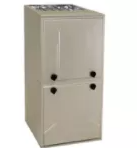
Installation guide
 Owner’s manual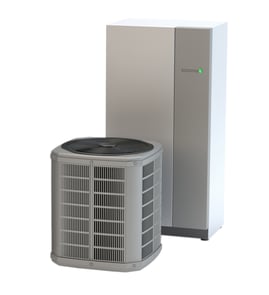




How much is a combined heating and cooling system?
A combined heating and cooling system typically costs $10,000 to $20,000 installed, with many homeowners landing near the middle of that range. Your final price depends on system capacity, ductwork condition, electrical and gas hookups, and installation complexity for a packaged unit like the Carrier 48GS030060300.
- System size (tonnage/BTU): larger homes and higher loads cost more.
- Packaged vs. split system: packaged rooftop or ground units can change labor and curb/slab needs.
- Ductwork: repairs, resizing, sealing, or replacement can add significant cost.
- Electrical and gas work: disconnects, breakers, gas piping, and venting updates affect labor.
- Permits and code requirements: varies by location and can add time and materials.
| Scenario | Typical installed range | What it usually includes |
|---|---|---|
| Like-for-like replacement (existing ductwork and utilities OK) | $10,000 to $15,000 | Unit swap, basic startup, minor materials |
| Replacement plus moderate duct or utility updates | $14,000 to $20,000 | Duct repairs, electrical or gas line adjustments |
| Major ductwork changes or difficult access (roof curb, crane, tight clearances) | $18,000+ | Significant labor, materials, and access costs |
We recommend using the installation requirements and unit configuration details in the installation guide to understand whether your setup is rooftop, slab mount, or ground install, and whether you are using horizontal or downflow duct openings. Those choices directly affect labor, materials, and total installed cost.
An HVAC quote is not just the equipment price. Installation details (duct openings, mounting method, and safe startup requirements) determine comfort, efficiency, and reliability over the life of the system.
Last updated: February 2026
What is a combination heating and air conditioning unit called?
A combination heating and air conditioning unit is commonly called a packaged (package) unit. For Carrier model 48GS030060300, it is a fully self-contained outdoor system that combines Category I gas heating with electric cooling in one cabinet (often described as a gas/electric packaged unit). See the installation guide for the exact configuration options.
- Packaged HVAC unit (or package unit)
- Gas/electric packaged unit (gas heat with electric A/C)
- Combination gas heating/electric cooling unit
- Rooftop unit (RTU) when installed on a roof
- Packaged system (general term)
A packaged unit puts major components outdoors in one cabinet; a split system separates them between an outdoor condenser and an indoor furnace or air handler.
| Feature | Packaged unit (like 48GS030060300) | Split system |
|---|---|---|
| Main components | All-in-one outdoor cabinet | Indoor plus outdoor sections |
| Typical install locations | Rooftop, slab, ground (code permitting) | Outdoor pad plus indoor closet/attic/basement |
| Duct connections | Return and supply openings on the unit | Ducts connect to indoor unit |
Packaged gas/electric units use a specific mix of heating and cooling controls and safety devices. Using the correct system type helps you match parts like a contactor, control board, temperature switch, or condenser fan motor to the right circuit and mounting style.
These are examples of parts you may see on this Carrier packaged unit parts list:
- Circ board LH33WP003 (controls and timing logic)
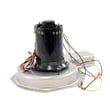
- Central air conditioner condenser fan motor HC35GE235 (moves air across the condenser coil)
- Temp swtch HH18HA211 (temperature safety/limit function)
Last updated: February 2026
What is the average lifespan of 48GS030060300?
A Carrier central package unit like model 48GS030060300 has an average lifespan of 15 years with normal use and routine maintenance (clean airflow, correct gas and electrical operation, and timely part replacement). Proper installation and annual service help it reach that target.
Most packaged heating and cooling units fall into these ranges:
| Component area | Typical lifespan | What shortens life fastest |
|---|---|---|
| Packaged HVAC unit (overall) | 15 years | Poor airflow, dirty coils, incorrect charge, overheating |
| Blower and condenser fan motors | 10 to 15 years | Worn bearings, capacitor issues, overheating |
| Gas heat section (burners, controls) | 15 to 20 years | Corrosion, improper combustion, repeated limit trips |
These actions make the biggest difference for a packaged Carrier unit:
- Replace or clean the air filter on schedule to protect the blower and heat exchanger.
- Keep supply and return vents open; restricted airflow overheats the furnace section.
- Keep the outdoor coil clear of debris; rinse gently as needed.
- Confirm the thermostat cycles normally; short cycling wears contactors and motors.
- Have a technician check combustion, gas pressure, and safety controls annually.
When a unit struggles to start, runs hot, or cycles erratically, these parts are often involved:
- Central air conditioner condenser fan motor HC35GE235 (cooling airflow across the condenser)
- Capactr dual 12885 (helps start and run the compressor and fan motor)
- Switch HH18HA460 and temp swtch HH18HA211 (safety controls that shut the unit down if conditions are unsafe)
Once a packaged unit reaches the 15-year mark, small issues like weak capacitors, pitted contactors, or airflow restrictions can turn into repeated no-cool or no-heat calls. Staying ahead of wear parts reduces breakdowns and protects major components.
For model-specific maintenance intervals and safety notes, follow the 48GS030060300 owner's manual and the 48GS030060300 installation guide.
Last updated: March 2026