Owner’s manual
 View engine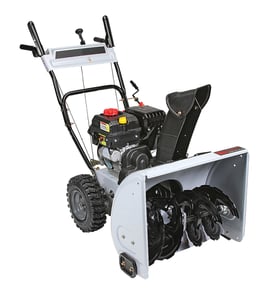


How do I tell what year my snowblower is?
To estimate the year of your Craftsman snow thrower model 247888550, we use the engine’s manufacture date code (stamped on the engine shroud, valve cover, or blower housing) and match it to the maker’s date format. Your 247888550 owner's manual also shows where to find key ID labels and service information.
Where to look for the date information
Check these common locations before you start disassembly:
- Engine ID tag or stamping (often near the muffler area or recoil starter)
- Blower housing near the pull-start
- Valve cover area on OHV engines
- Frame tag on the snowblower (helps confirm model and serial)
- Owner’s manual label diagram and maintenance section
How to decode the engine date (most common approach)
Many snowblower engines use a numeric code where part of the code indicates the year and the rest indicates the month/day (format varies by engine brand).
Here’s a common example format you may see:
| Example code | What it can indicate | What you do next |
|---|---|---|
| 99011556 | Year = 99, date = 01/15 | Confirm the engine brand’s decoding chart |
| YYMMDDxx | Year/Month/Day + extra digits | Use the first 6 digits as the build date |
Why the “year” matters
Knowing the build year helps us match the correct parts and specs for wear items like belts, skid shoes, and friction components, especially when a model has mid-production changes.
Tips to avoid ordering the wrong parts
Use these checks when you’re identifying the year and shopping parts:
- Match the snowblower model number exactly: 247888550
- Record the engine model and type from the engine tag
- Compare your belt and pulley layout to the diagrams in the manual
- If you’re replacing a common wear item, verify size and routing first
- For traction issues, inspect the rubber drive surface for wear (common on older units)
If you’re already seeing traction slipping or inconsistent drive, the friction wheel rubber is a frequent wear item on this style of Craftsman unit (for example, frictn rubbr 735-0243 is one listed option for this model).
Last updated: January 2026
How many years should a snowblower last?
A Craftsman gas snowblower like model 247888550 typically lasts 10 to 20 years with normal residential use and consistent maintenance. Units that are stored properly and serviced on schedule often reach the high end of that range, especially when wear items are replaced before they cause bigger damage.
Typical lifespan by type
| Snowblower type | Typical lifespan | Notes |
|---|---|---|
| Gas (2-stage and similar) | 10 to 20 years | Most durable when maintained regularly |
| Electric corded | 5 to 10 years | Fewer engine parts, but lighter-duty drivetrains |
| Battery | 5 to 10 years | Battery health strongly affects long-term value |
What makes a snowblower last longer
We see the biggest lifespan gains when owners stay ahead of fuel, lubrication, and wear parts.
- Change engine oil on schedule and check oil level before heavy use
- Use fresh fuel and stabilize fuel before off-season storage
- Keep the auger and chute clear; avoid ingesting gravel, ice chunks, and newspapers
- Inspect belts and cables each season; replace at the first signs of slipping or fraying
- Keep the scraper area adjusted so the housing is not grinding on pavement
- Store dry, covered, and clean; touch up rust-prone areas
Wear parts that commonly limit lifespan
Replacing wear items early prevents secondary damage to the auger drive and housing.
- Skid shoes and shave plate (protect the housing and help prevent gravel ingestion)
- Belts (auger and drive)
- Friction disc and rubber components
- Bearings and bushings in the auger/impeller system
If you need model-specific maintenance intervals and seasonal storage steps, use the 247888550 owner's manual.
Why it matters
A snowblower usually fails “early” due to neglected maintenance (stale fuel, worn belts, poor lubrication) rather than the machine being inherently worn out. Keeping the drive system adjusted and the scraper area set correctly reduces strain on the engine and auger system.
Last updated: January 2026
What is the most common problem with snow blowers?
The most common problem we see with snow blowers like the Craftsman 247888550 is a no-start or hard-start condition caused by fuel and ignition issues (stale gas, varnished carburetor passages, or a fouled spark plug). Close behind are clogging in the discharge chute and drive or auger problems from wear or misadjustment.
Most common issues (and what usually causes them)
- Won’t start / starts then dies: old fuel, dirty carburetor, fouled spark plug, stuck choke, or water in fuel
- Runs but won’t throw snow well: chute packed with snow, impeller/auger housing packed, or wet heavy snow
- Auger won’t turn: belt slipping, cable out of adjustment, or a mechanical bind
- Unit won’t drive / poor traction: worn friction components, drive cable out of adjustment, or hex shaft needs lubrication
- Excess vibration or scraping: worn skid shoes or shave plate, loose hardware
Quick checks we recommend first (fast, high-impact)
- Drain old fuel and refill with fresh fuel (use fuel stabilizer for storage).
- Verify spark and plug condition; clean or replace if fouled (see how to check a snowblower spark plug video).
- Clear packed snow safely; shut the engine off and use a clean-out tool, not your hands.
- Inspect belts and belt cover area for glazing, cracking, or slack.
- Confirm skid shoe and shave plate contact so the housing is not digging in.
Symptoms and likely fixes
| Symptom | Most likely cause | Typical fix |
|---|---|---|
| Pull cord feels normal but no start | Fuel/carburetor or spark plug | Fresh fuel, plug service, carburetor cleaning |
| Engine runs, snow dribbles out | Clogged chute or packed housing | Clear chute, reduce intake rate |
| Auger stops under load | Belt slip or adjustment | Adjust linkage, replace belt if worn |
| Drives slowly or not at all | Friction/drive wear or hex shaft dry | Service friction drive, lubricate hex shaft |
Why it matters
Most “common problems” are maintenance-related; fixing them early prevents belt damage, friction drive wear, and unnecessary strain on the auger and impeller system.
Model-specific tip
For Craftsman 247888550, use the 247888550 owner's manual for the exact control adjustments, belt access points, and maintenance intervals.
Last updated: January 2026
Is it cheaper to repair or replace a snowblower?
Repairing your Craftsman snow thrower model 247888550 is usually cheaper when the problem is a normal wear item (belt, skid shoes, shave plate, friction disc) or basic maintenance. Replacing the machine makes more sense when the repair estimate is about half (or more) of the cost of a comparable new snowblower, especially if multiple major systems are worn.
Quick decision checklist
- Repair if the snowblower still starts reliably and the issue is isolated (drive slipping, auger not turning, poor scraping).
- Repair if the fix is a common wear part and the rest of the machine is solid (no severe rust, no repeated failures).
- Replace if the engine has low compression, heavy oil burning, or persistent no-start problems after proper tune-up.
- Replace if the drive system needs multiple expensive components (gearcase, shafts, housing) at the same time.
- Replace if the frame/auger housing is badly rusted or bent and won’t hold adjustments.
Typical repair costs vs. replacement value
Use this table to compare the type of repair to the “replace” threshold.
| Repair type | Common symptoms | Usually worth it? |
|---|---|---|
| Wear parts | Slipping drive, auger won’t engage, scraping poorly | Yes |
| Adjustment/maintenance | Poor throwing, hard shifting, uneven scraping | Yes |
| Major drivetrain/engine work | Grinding, seized shafts, major leaks, repeated breakdowns | Often no |
Model-specific parts that often make repair economical
On the Craftsman 247888550, these common wear items are typically the first place we look before considering replacement:
- Auger belt 954-0430c (auger won’t spin or slips under load)
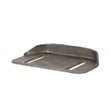
- Skid shoe 784-5580-0637 (uneven height, scraping issues, premature shave plate wear)
- Shave plate 784-5582A (poor scraping, leaving snow behind)
- Friction disc and hex shaft lubrication (drive slipping or surging)
Why it matters
A well-maintained snowblower can deliver many more seasons of service when you stay ahead of wear parts and adjustments. Replacing too early often costs more than a targeted repair; replacing too late can mean paying for multiple major failures at once.
Helpful references for planning the repair
- Use the 247888550 owner's manual for maintenance intervals, adjustment points, and safe service steps.
- If you’re tackling a belt job, follow a step-by-step process like how to replace a snowblower belt video.
Last updated: January 2026