Installation guide
 Owner’s manual
 Error Codes


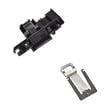
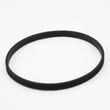
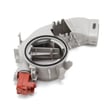
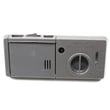
How to get KitchenAid replacement parts?
For your KitchenAid undercounter dishwasher model KUDC10FXSS3, we recommend ordering replacement parts by searching with the model number first, then matching the exact part ID and part name to your symptom (drain, fill, heating, racks). Use the KUDC10FXSS3 owner's manual to confirm the correct component and access instructions.
Best ways to find the right part
- Search by model number KUDC10FXSS3 to see the full parts list for your dishwasher.
- If you already have it, search by the part ID (example: WPW10348269) or the manufacturer part number.
- Match the part to the problem area: drain, water fill, heating/drying, racks/door.
- Compare your original part to the listing (mounting points, electrical connector, hose size).
- Use the diagrams and steps in the KUDC10FXSS3 installation guide when the repair involves wiring, water supply, or the drain connection.
Common replacement parts customers order for this model
| Symptom | Part to check first | Part anchor |
|---|---|---|
| Dishwasher will not drain | Drain pump | Dishwasher drain pump WPW10348269 |
| Not filling or fills slowly | Water inlet valve | Dishwasher water inlet valve WPW10327249 |
| Poor drying or no heat | Heater | Dishwasher heater W10703867 |
Why it matters
Using the exact model number and matching the correct part ID helps prevent ordering the wrong component, especially on dishwashers where similar-looking pumps, valves, and heaters can have different connectors or mounting styles.
Quick safety reminders for parts replacement
- Shut off power at the breaker before servicing electrical parts.
- Turn off the water supply before replacing fill components.
- Avoid extension cords; use proper grounding and connections as outlined in the installation instructions.
Last updated: January 2026
What's the average lifespan of a KitchenAid dishwasher?
Most KitchenAid dishwashers average 10 to 14 years of service life with normal household use. For your KitchenAid KUDC10FXSS3 undercounter dishwasher, consistent cleaning, correct installation, and good water conditions help you stay in that range.
Typical lifespan and what changes it
A dishwasher’s life is mostly determined by how hard it works and how clean the wash system stays.
- Usage frequency: 1 load/day typically lasts longer than multiple loads/day
- Water quality: hard water speeds up mineral buildup and wear
- Maintenance: routine filter and spray-arm cleaning reduces strain on the pump and motor
- Detergent and rinse aid: proper dosing helps prevent residue and improves drying
- Installation quality: correct leveling and centering prevents door and tub stress (see installation guide)
Maintenance that helps you reach 10 to 14 years
We recommend these habits for KitchenAid undercounter dishwashers like model KUDC10FXSS3:
- Clean the filter area and remove debris regularly
- Inspect and rinse spray arms so jets stay clear
- Use rinse aid to improve drying and reduce hard-water deposits
- Run hot water at the sink before starting a cycle (helps wash performance)
- Check for slow draining early; a struggling drain system can shorten component life
Common wear items vs. major repairs
Some parts are normal wear items; others are bigger “end-of-life” repairs.
| What you notice | Common cause | Typical fix type |
|---|---|---|
| Poor draining, water left in tub | Drain restriction or failing pump | Drain-path cleaning or replace pump |
| Noisy wash, weak spray | Circulation issues | Inspect spray arms, motor, sump |
| Poor drying, spots | Low rinse aid, hard water | Adjust rinse aid and detergent |
If you’re seeing repeated drain problems, the dishwasher drain pump WPW10348269 is a common repair part for this model.
Why it matters
Knowing the typical lifespan helps you decide whether to maintain, repair, or replace. A well-maintained KitchenAid dishwasher often delivers years of reliable cleaning, while neglected filters, hard-water buildup, and chronic drain issues can cut that life short.
Last updated: January 2026
What is the most common problem with a KitchenAid dishwasher?
For KitchenAid model KUDC10FXSS3, the most common customer-reported issues are poor cleaning (dirty dishes) and drain-related problems. In many cases, the root cause is restricted water flow (spray arm or filter blockage) or a draining restriction (hose, pump, or installation-related drain setup).
Most common symptoms and what they usually point to
- Dishes come out dirty or gritty: clogged spray arm holes, restricted filter area, or low water fill
- Water left in the bottom: drain restriction, drain hose routing issue, or a failing drain pump
- Won’t start or seems “dead”: door not fully latched, power supply issue, or control problem
- Leaks: door seal wear, loose water connection, or drain hose connection seepage
- Unusual noises: debris in the pump/sump area, spray arm contact, or motor issues
Quick checks we recommend first (fast, no parts guessing)
Before replacing anything, use these checks that match common “does not operate” and “check operation” guidance:
- Confirm the door is closed tightly and latched
- Verify the water supply is turned on
- Check the breaker/fuse for the dishwasher circuit
- Start a short cycle and confirm water enters the tub within the first couple minutes
- If you recently installed or moved the unit, re-check the drain and water connections using the KUDC10FXSS3 installation guide
Parts that commonly solve the “won’t drain” complaint
If you have standing water after confirming the drain path is clear, these model-matched parts are common fixes:
| Symptom | Most likely area | Example model-matched part |
|---|---|---|
| Water won’t drain | Drain pump or drain path | Dishwasher drain pump WPW10348269 |
| Slow drain or intermittent drain | Drain hose routing/clog | Dishwasher drain hose 8269144A |
| Poor wash pressure and dirty dishes | Wash motor/sump area | Dishwasher sump and motor assembly WPW10780877 |
Why it matters
Dirty dishes and poor draining often share the same outcome: food soil stays in the tub and gets redeposited. Catching a restriction early helps prevent odors, repeat wash cycles, and unnecessary wear on the pump and motor.
For cycle behavior, loading, and normal run-time expectations, follow the KUDC10FXSS3 owner’s manual.
Last updated: January 2026