Error Codes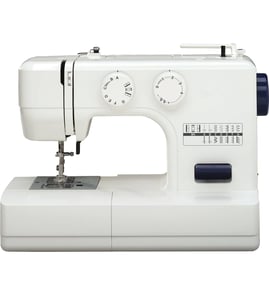

Are older sewing machines worth anything?
Yes. Older sewing machines often have value, but most common household models sell for modest amounts unless they are rare, complete, and sew well. For a Kenmore model 15818023, the value usually comes from working condition, included accessories, and how easily parts can still be sourced.
What typically drives the value
- Working stitch quality (straight stitch, zigzag, consistent tension)
- Completeness (foot pedal, power cord, bobbin case, presser feet, cams)
- Cosmetic condition (no cracks, minimal corrosion, clean decals)
- Service history (recent cleaning and lubrication helps)
- Local demand (pickup-only machines often sell for less)
Quick value ranges you can use
These are typical real-world ranges for older mechanical machines in the U.S. market.
| Condition | What it means | Typical value range |
|---|---|---|
| Parts/repair | Doesn’t run, seized, missing key pieces | $0 to $40 |
| Runs but needs tuning | Stitches, but tension/timing needs work | $40 to $100 |
| Fully working | Smooth motor, even stitches, complete basics | $100 to $250 |
| Collector-level | Rare model, exceptional condition, fully complete | $250+ |
How we recommend you assess your Kenmore 15818023
- Confirm the model number on the ID plate and match it to the listing; use how to find your appliance model number (and what it means for parts).
- Test sew on cotton with a new needle; check for skipped stitches and thread nesting.
- Listen for motor strain; a hot smell, sparking, or stalling points to motor, wiring, or mechanical drag.
- Inspect the wiring and pedal; brittle insulation or intermittent power lowers value.
- Check the hook area for lint buildup and damage around the bobbin case.
Why it matters
A mechanical sewing machine’s resale value is mostly about reliability. A machine that forms a consistent stitch and has safe wiring is worth more than a “pretty” machine that needs timing work or electrical repair.
Last updated: February 2026
Is it worth repairing an old sewing machine?
Yes, repairing an older Kenmore sewing machine head like model 15818023 is usually worth it when the machine has a solid metal drive, stitches consistently, and only needs normal wear items or a tune-up; the decision comes down to repair cost versus the price of a comparable replacement and whether parts are still obtainable.
Quick way to decide (cost vs. value)
Use this checklist before you spend money:
- It’s worth repairing if it mostly works but has issues like skipped stitches, tension trouble, noisy running, or stiff handwheel (often cleaning, lubrication, or adjustment).
- It’s worth repairing if the motor runs and the machine feeds fabric, but performance is inconsistent (common service items).
- It’s usually not worth repairing if the machine has major internal damage (cracked castings, seized shafts) or severe electrical failure.
- It’s worth repairing if you need strong straight stitch power for denim, canvas, or upholstery-type projects.
- It’s worth repairing if sentimental value matters and you want a dependable “one machine” setup.
Common repairs that are typically “good investments”
Most older mechanical machines respond well to basic service. Typical high-value fixes include:
- Full cleaning and correct lubrication of moving joints
- Tension system cleaning (lint, thread fragments) and adjustment
- Replacing a worn belt (if your version uses one)
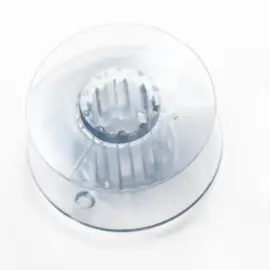
- Replacing a worn bobbin winder tire (common wear item)
- Fixing wiring, foot pedal, or power cord issues (when safe and properly repaired)
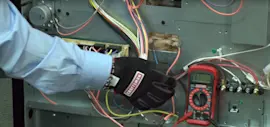
For electrical troubleshooting basics, we recommend how to use a multimeter to test electrical parts video.
When repair costs make sense
A simple comparison helps:
| Situation | Typical outcome | Best choice |
|---|---|---|
| Runs, but stitches are inconsistent | Service restores reliability | Repair |
| Motor runs, but machine is stiff/noisy | Cleaning and lubrication help | Repair |
| Won’t power on | Electrical diagnosis needed | Repair if parts and labor are reasonable |
| Major mechanical damage | Extensive teardown and hard-to-find parts | Replace |
Why it matters
A well-maintained mechanical Kenmore like 15818023 can deliver steady stitch quality and durability for decades. Repairing a solid older machine often gives you better long-term reliability than buying a low-cost modern machine built with lighter materials.
If you decide to repair, we use the model number to match diagrams and compatible components; how to find your appliance model number (and what it means for parts) helps you confirm you are ordering for the correct 15818023.
Last updated: February 2026
What is the difference between a sewing machine and a mechanical sewing machine?
A mechanical sewing machine is a type of sewing machine that uses manual dials and levers to set stitch length, width, and tension, while many modern (electronic or computerized) sewing machines use buttons and digital controls with more built-in stitch options. Your Kenmore 15818023 is a mechanical sewing machine head.
Quick comparison
| Feature | Mechanical sewing machine (like Kenmore 15818023) | Electronic/computerized sewing machine |
|---|---|---|
| Stitch selection | Dial or lever | Buttons, touchscreen, or keypad |
| Stitch options | Fewer, focused on basics | More built-in stitches and presets |
| Speed control | Foot pedal feel, less automated | Often includes speed limiter and presets |
| Adjustments | Fully manual (tension, length, width) | Often easier, sometimes automatic |
| Repair style | More mechanical adjustments | More electronics and boards |
What you will notice in everyday use
- You set stitch length and width with physical controls.
- Thread tension is typically adjusted with a numbered dial and tested on scrap fabric.
- Buttonholes are usually made with a step-by-step mechanical process (varies by machine).
- The machine tends to be straightforward for basic seams, hemming, and simple repairs.
- Fewer electronic features means fewer “settings menus” to manage.
Why it matters
Mechanical machines like the Kenmore 15818023 are popular for learning fundamentals because you can feel how changes to tension, needle size, and presser foot pressure affect stitch quality. Electronic machines can be faster to set up for specialty stitches, but they add complexity when troubleshooting.
Tips for choosing the right type for your projects
- Choose mechanical if you mainly sew straight stitches, zigzags, hems, and simple garments.
- Choose electronic/computerized if you want decorative stitches, memory settings, or easier stitch selection.
- For either type, match the needle to the fabric (universal, ballpoint, denim) and use quality thread.
For help confirming you have the correct model number before ordering parts or accessories, use how to find your appliance model number (and what it means for parts).
Last updated: February 2026
When was the Kenmore 15818023 sewing machine made?
The Kenmore 15818023 is part of Kenmore’s vintage 158-series mechanical sewing machines, which were commonly produced in the 1970s through early 1980s era. The exact production year for a specific 15818023 unit is best confirmed by matching its model and serial information to the correct parts breakdown.
How to narrow down the exact year for your 15818023
We use a few practical identifiers to pin down the production window more tightly.
- Check the serial number plate (often on the back or underside of the sewing machine head)
- Note whether the serial starts with letters or is all numbers
- Confirm the full model number is exactly 15818023 (not a close variant)
- Compare your machine’s external features (stitch selector style, light housing, handwheel style)
- Use the model number to pull the correct diagrams and parts list on Sears PartsDirect
What “158” means (and why it matters)
Kenmore model numbers that start with 158 identify a family of mechanical machines built for Kenmore by a third-party manufacturer. That “family” spans multiple revisions over time, so two 158-series machines can look similar but use different gears, bobbin cases, or needle plates.
Quick dating guide (typical for 158-series)
| What you see on the machine | What it usually suggests | Why it helps |
|---|---|---|
| Mostly metal internals, mechanical controls | 1970s era build | Earlier 158 machines were heavily mechanical |
| More plastic covers and updated styling | Late 1970s to early 1980s | Later revisions modernized housings |
| Model is close to 158.18xxx range | Mid-to-late 1970s range is common | Many 158.18xxx models cluster in that period |
Why the build date matters for parts
Even small year-to-year changes can affect fit and function for common sewing machine parts such as:
- Bobbin case and bobbins
- Needle plate and feed dogs
- Presser feet and presser bar components
- Belts (if equipped) and motor drive parts
- Gears and bushings
Last updated: February 2026