Owner’s manual
 Error Codes



What's the lifespan of a LG refrigerator?
LG refrigerators like model LFC24770SB typically last 10 to 15 years with normal home use. Consistent maintenance (especially airflow and clean heat-exchange surfaces) helps you reach the high end of that range, while cooling-system or compressor stress can shorten service life.
Most modern refrigerators fall into a similar life range, but real-world lifespan depends on how hard the sealed system works day to day.
- Room temperature and ventilation: tight cabinets and hot garages make the compressor run longer.
- Condenser coil cleanliness: dust buildup raises operating temperatures.
- Door seal condition: air leaks force longer run times.
- Ice maker and water system health: slow fills and leaks can create secondary issues.
- Usage habits: frequent door openings and overpacking reduce cooling efficiency.
For model-specific operating and care guidance, follow the LFC24770SB owner’s manual.
We recommend these practical steps for LG bottom-mount refrigerators:
- Vacuum dust from the condenser area regularly.
- Keep doors closing squarely; correct sagging hinges and avoid slamming.
- Confirm the freezer drawer closes fully and seals evenly.
- Replace worn gaskets if you feel cold air leaking.
- Keep food from blocking interior air vents.
| What you notice | What it usually means | What to check first |
|---|---|---|
| Warm fridge, freezer OK | Airflow issue between sections | Vents, evaporator fan noise |
| Frost buildup in freezer | Defrost problem or air leak | Gasket, defrost sensor |
| Clicking, then no cooling | Start device/overload issue | Compressor overload protector |
| Slow or no ice | Water supply or ice maker issue | Inlet valve, ice maker |
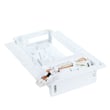
If you are troubleshooting ice production, the LG refrigerator ice maker assembly model AEQ72909603 is the model-matched ice maker assembly listed for LFC24770SB.
A refrigerator that runs hotter or longer than designed wears the sealed system faster. Simple upkeep (cleaning, sealing, airflow) reduces compressor run time, stabilizes temperatures, and helps you get the full expected lifespan.
Last updated: January 2026
How to tell if an LG compressor is bad?
On an LG LFC24770SB bottom-mount refrigerator, a bad compressor usually shows up as warming temperatures with little or no steady compressor run sound; you may also hear repeated clicking from the lower rear area as the compressor tries to start and shuts off.
- Confirm the refrigerator has power and the interior lights and display respond.
- Listen at the back lower area: a healthy compressor typically runs with a steady hum (not constant clicking).
- Check whether the condenser fan (near the compressor) runs when the unit is calling for cooling.
- Verify the doors seal tightly; warm air leaks can mimic a cooling failure.
- If your model supports it, run LG Smart Diagnosis to capture operating data for a faster direction.
Use the steps in the LFC24770SB owner's manual to run Smart Diagnosis (some models) and share the tones/data with LG support.
A compressor issue is more likely when you see multiple symptoms together:
- Refrigerator and freezer both warm (not just one section)
- Repeated clicking every few minutes (start device trips, then resets)
- Compressor is very hot to the touch and still not running (use caution)
- Unit runs but does not cool, and fans appear to be operating
| What you notice | Common non-compressor cause | Example part to check |
|---|---|---|
| Clicking, no start | Start/overload device opening | Refrigerator compressor overload protector 6750CL0001D |
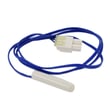
| Warm temps, odd readings | Temperature sensor/thermistor issue | Refrigerator temperature sensor 6500JB2002X |
| Frost buildup, poor airflow | Defrost system problem | Refrigerator defrost sensor assembly 6615JB2005N |
A compressor replacement is a major repair; ruling out airflow, sensor, and start-device problems first prevents unnecessary cost and gets cooling restored faster.
Last updated: January 2026
Why is my LG refrigerator leaking from the bottom?
On the LG LFC24770SB bottom-mount refrigerator, leaking from the bottom is most often caused by a clogged or frozen defrost drain; defrost water can’t reach the drain pan and instead spills into the cabinet and out onto the floor. Use the LFC24770SB owner's manual for safety steps before servicing.
- Defrost drain clogged or iced over: Water backs up and leaks from the bottom front.
- Drain pan shifted or cracked: Water reaches the pan but doesn’t stay contained.
- Water supply connection seeping: Slow drip from the inlet line or valve area.
- Ice maker or fill tube leaking: Water can run down and appear as a bottom leak.
- Door not sealing well: Excess frost increases defrost water and can overwhelm the drain.
- Unplug the refrigerator before removing panels or working near wiring.
- Look for ice or standing water on the freezer floor (strong sign of a drain issue).
- Flush the drain with warm water (a turkey baster works well) until it flows freely.
- Check the rear lower area for drips at the water inlet valve and tubing.
- Inspect the freezer door gasket for gaps; warm and reshape minor waves if needed.
| Symptom you see | Likely area | Part to consider |
|---|---|---|
| Water after defrost, ice on freezer floor | Defrost drain path | (Clean first; parts usually not needed) |
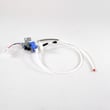
| Drip at back near water line | Water supply/valve | LG refrigerator water inlet valve AJU73753101 |
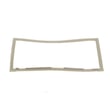
| Heavy frost, moisture, recurring puddles | Door seal | Refrigerator freezer door gasket ADX73350955 |
A drain backup or water leak can lead to ice buildup, odors, and floor damage. Fixing the root cause also helps the LG cooling system run more efficiently and reduces repeat leaks.
Last updated: January 2026
What is the most common problem with an LG refrigerator?
For the LG LFC24770SB refrigerator, the most common customer-reported issue is loss of cooling (refrigerator warm, freezer soft) caused by an airflow, defrost, or sealed-system problem. Ice maker and water supply problems are also very common and can look like “no cooling” when temperatures drift. See the LFC24770SB owner's manual for model-specific troubleshooting and safety steps.
- Fresh food section warms up but freezer seems closer to normal
- Freezer warms up and ice cream gets soft
- Loud fan noise, clicking, or the unit runs constantly
- Ice maker stops producing ice or makes small/hollow cubes
- Water leaks or puddles near the refrigerator
- Confirm settings: refrigerator about 37°F and freezer about 0°F.
- Make sure doors seal fully and close on their own.
- Listen for the evaporator fan; weak or no airflow points to a fan or frost buildup issue.
- Check for heavy frost on the freezer back panel (often indicates a defrost problem).
- If you smell burning plastic or see smoke, unplug the refrigerator immediately (the manual calls this out as a safety step).
| Symptom | Likely cause | Example part for this model |
|---|---|---|
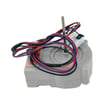
| Warm temps, poor airflow | Evaporator fan not running | LG refrigerator evaporator fan motor 4681JB1027C |
| Frost buildup, temp swings | Defrost sensing issue | Refrigerator defrost sensor assembly 6615JB2005N |
| No ice, slow fill, no water | Water supply/valve issue | LG refrigerator water inlet valve AJU73753101 |
| Light stays on, door alarm issues | Door switch problem | Refrigerator door switch 6600JB1010A |
Cooling complaints can come from simple airflow restrictions or a failed component. Doing the quick checks first helps you avoid replacing the wrong part and protects food safety by getting temperatures back to normal faster.
Last updated: January 2026