Owner’s manual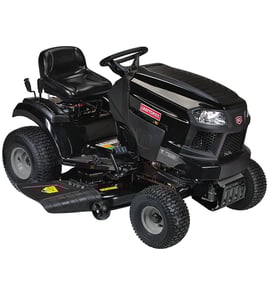



How to start a bolens riding mower?
To start your Bolens 660 front-engine lawn tractor, we set the parking brake, make sure the PTO (blade) switch is off, sit in the seat, and then turn the key to crank the engine. Most no-start issues come from safety interlocks, fuel, or a weak battery; check the owner's manual for your exact control locations.
Quick start steps (most Bolens riding mowers)
- Sit fully on the seat (seat switch must be engaged).
- Move the PTO or blade lever/switch to OFF.
- Set the parking brake; on many tractors this means pressing the clutch or brake pedal fully and latching the brake.
- Put the transmission in neutral (or make sure the shifter is in the neutral slot).
- Move the throttle to FAST; use CHOKE if the engine is cold.
- Turn the key to START; release it as soon as the engine fires.
If it will not crank (no spin)
These checks solve most “turn key and nothing happens” problems:
- Confirm the brake pedal is fully depressed and the parking brake is set.
- Verify the PTO is off; the tractor will not crank with blades engaged.
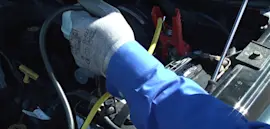
- Check battery cables for tight, clean connections.
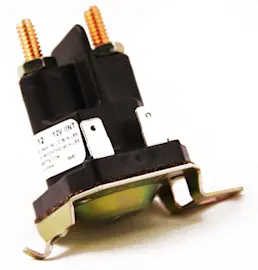
- Listen for a click at the starter solenoid; clicking often points to low battery voltage.
- Inspect the seat switch and brake switch for loose connectors.
Helpful walkthrough: riding lawn mower engine wont turn over or click video
If it cranks but will not start
Focus on fuel and ignition basics:
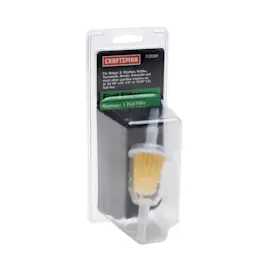
- Make sure there is fresh fuel and the fuel shutoff (if equipped) is open.
- Set choke correctly (more choke cold, less choke warm).
- Check the air filter for heavy dirt or oil saturation.
- If it starts then dies when you release the brake, recheck the brake switch and interlock circuit.
Helpful walkthrough: riding lawn mower engine spins but wont start video
Common control positions (what to look for)
| Control | Typical “start” position | What it prevents if wrong |
|---|---|---|
| Parking brake / brake pedal | Fully set / fully depressed | No crank |
| PTO (blade) switch/lever | OFF / disengaged | No crank |
| Throttle | FAST | Hard starting / stalling |
| Choke | ON for cold start | Flooding if left on warm |
Why it matters
Your Bolens 660 uses safety interlock switches (seat, brake, PTO) to prevent starting or running in unsafe conditions. Starting steps that seem minor, like fully setting the brake or turning the PTO off, directly control those switches.
Last updated: February 2026
What are all the parts on a lawn mower?
A lawn mower or lawn tractor is made up of several major systems: the engine (fuel, air, ignition, exhaust), the drive and cutting systems, steering and braking, and safety controls. For your Bolens 660 lawn tractor, the exact part list and diagrams are in the Bolens 660 owner's manual.
Main part groups you will see
Most riding mowers and tractors (including Bolens models) are organized into these common assemblies:
- Engine and fuel: fuel tank, fuel lines, carburetor, choke/throttle linkages
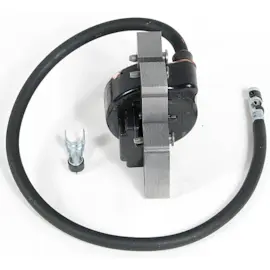
- Air intake and ignition: air filter, spark plug, ignition coil, flywheel
- Exhaust: muffler, exhaust gasket, mounting hardware
- Lubrication: oil fill, drain, dipstick, seals
- Drive system: belts, pulleys, transmission, idlers
- Cutting deck: blades, spindles, deck belt, deck lift linkage
- Steering and front axle: steering wheel, steering shaft, pivot bar, axle assembly, bearings
- Brakes and safety: brake linkage, puck brake, seat switch, interlock switches
Examples of real replacement parts for Bolens 660
These are examples of parts commonly replaced during repairs and maintenance:
- Exhaust sealing: gasket 692236
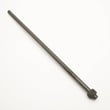
- Steering wear items: steering shaft, axle/pivot components
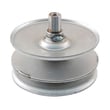
- Deck wear items: spindle assembly, pulleys, belts
- Rolling gear: wheel assembly, tire, rim
Quick “system to part” map
| System | What it does | Common parts you may replace |
|---|---|---|
| Fuel and air | Feeds clean fuel and air to the engine | fuel line, carburetor, air filter |
| Ignition | Creates spark to start/run | spark plug, ignition coil |
| Exhaust | Routes exhaust safely, reduces noise | muffler, exhaust gasket |
| Cutting deck | Cuts grass evenly | blades, spindle assembly, deck belt |
| Steering/brakes | Controls direction and stopping | steering shaft, puck brake |
Why it matters
Knowing the part groups helps you troubleshoot faster. For example, a no-start problem usually points to fuel, air, or ignition, while uneven cutting points to deck leveling, blades, or spindles.
If you are diagnosing a starting issue, our riding lawn mower engine clicks but doesnt turn over video is a good next step.
Last updated: February 2026
What is code 660?
On a Bolens lawn tractor, “660” is the model number, not an error code. It identifies the Bolens 660 THRU 688 front-engine lawn tractor so we can match the correct diagrams, parts (like steering and engine hardware), and service procedures in the owner's manual.
How to tell a model number from an error code
Most riding mowers and lawn tractors do not display numeric “error codes” the way many appliances do. Instead, you’ll usually see symptoms (no-crank, no-start, poor cut, vibration) that point to a system to troubleshoot.
Common places you’ll see 660 on this tractor:
- The model tag/ID plate on the frame (often under the seat or near the engine)
- Parts listings and exploded-view diagrams
- The cover of the manual and parts references
- On older paperwork such as purchase or service records
If you meant a problem code or symptom
If the tractor is acting up, use the symptom to narrow the fix. These are the most common “code-like” complaints we hear:
- Engine clicks but won’t turn over (battery, starter circuit, safety switches)
- Engine spins but won’t start (fuel, spark, air filter)
- Engine dies when you release the brake (seat switch, brake switch, interlock)
- Poor steering or excessive play (steering shaft, bushings, fasteners)
Quick checks that solve many no-start issues
- Confirm the PTO/blade switch is OFF
- Sit firmly in the seat and press the brake/clutch fully
- Check battery terminals for corrosion and tightness
- Verify fresh fuel and an open fuel shutoff (if equipped)
- Inspect the air filter and spark plug condition
Parts that commonly come up during troubleshooting
If your issue involves exhaust leaks or steering looseness, these model-matched parts are commonly replaced:
| Symptom | What to inspect | Example part on this model page |
|---|---|---|
| Puffing/ticking at engine exhaust | Muffler mounting, gasket | Gasket 692236 |
| Loose steering feel | Shaft wear, fasteners | Steering shaft (listed in parts) |
Why it matters
Using the correct model identifier (660) prevents ordering the wrong Bolens parts and helps you follow the right adjustment and safety-interlock procedures for your exact front-engine tractor.
Last updated: February 2026
What type of gas does a bolens push mower take?
This parts page is for the Bolens model 660 front-engine lawn tractor (a riding mower), not a Bolens push mower. For the Bolens 660 tractor, we use fresh regular unleaded gasoline; the exact fuel and ethanol guidance for your engine is listed in the owner's manual.
What to use in a Bolens 660 lawn tractor
- Fresh regular unleaded gasoline (typical: 87 octane)
- Clean fuel from a sealed container
- Only the fuel type listed on your engine label and in the manual
- Avoid mixing 2-cycle oil into the gas (4-cycle tractor engines use straight gasoline)
Ethanol guidance (what works best)
Most riding mower engines run best on gasoline with 10% ethanol (E10) or less. Higher-ethanol blends commonly cause hard starting and fuel-system deposits during storage.
| Fuel choice | OK for most riding mowers | Why |
|---|---|---|
| Fresh regular unleaded (87 octane) | Yes | Correct combustion and easy starting |
| E10 or less | Yes | Helps protect fuel lines and carburetor |
| Old gas (over 30 days) | No | Causes varnish, surging, no-start |
If you meant a Bolens push mower
Bolens push mowers use the same general rule (fresh regular unleaded), but the best answer depends on the exact push mower model and engine family. Match your mower’s model number to the fuel section in its manual, then follow the same storage steps below.
Why it matters
Using the right gasoline and keeping it fresh prevents carburetor clogging, reduces starting problems, and protects rubber fuel lines during seasonal storage.
Last updated: February 2026