



Where to find model number on CRAFTSMAN Rear Tine tiller?
On a Craftsman rear tine tiller, the model number is printed on the product ID label (a sticker or metal tag) attached to the machine. For Craftsman model 917299442, you will typically find that label on the tine shield/guard area or on the frame near the engine and fuel tank.
Common places to check first
Look for a rectangular label with the model number and other ID information. Check these spots:
- On the tine shield (tine guard) behind or above the tines
- On the main frame rails near the engine mount
- Near the fuel tank area (on the frame, not on the plastic tank itself)
- On or near the handle support brackets
- Around the belt cover or transmission housing area
What the label looks like
Most Craftsman tillers use a label that includes the model number and sometimes a serial number.
| What you see on the label | What it means | Why you need it |
|---|---|---|
| Model number (example: 917299442) | Exact tiller version | Ensures diagrams and parts match |
| Serial number | Production identifier | Helps confirm correct revisions |
| Brand name (Craftsman) | Manufacturer branding | Helps narrow parts families |
Why it matters
Craftsman tillers often have multiple versions that look similar. Using the exact model number (like 917299442) prevents ordering the wrong belt-drive, tine, or hardware parts and helps match the correct exploded-view diagrams.
If the label is missing or unreadable
Use these practical workarounds:
- Clean the suspected label area with a rag and mild degreaser, then re-check under good light
- Take a close-up photo and zoom in; faint printing often becomes readable
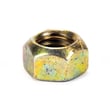
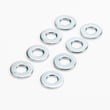
- If you are replacing missing hardware while you identify the model, match what you remove to known parts such as the gripco nut 596322601
Last updated: February 2026
Does Craftsman make tillers?
Yes. Craftsman makes tillers and cultivators, and your Craftsman model 917299442 is a 5-hp tiller that uses serviceable replacement parts (hardware, pins, springs, and drive components) to keep it working season after season.
What Craftsman tillers are used for
Craftsman tillers are designed to help with common garden and yard tasks such as:
- Breaking up compacted soil before planting
- Mixing in compost or soil amendments
- Creating and refreshing rows and beds
- Maintaining established garden areas
Parts support for Craftsman 917299442
Even when you already have the tiller, the bigger question is usually parts availability. For model 917299442, we commonly see customers replace wear items and fasteners during routine maintenance or after a belt or linkage adjustment.
Here are examples of parts available for this model:
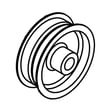
- Tiller engine sheave 592642101 (drive pulley that transfers engine power to the belt)
- Tiller handle grip 532008206 (helps restore safe, comfortable control)
- Tiller clevis pin 532443676 (used in linkage and attachment points)
Quick check: tiller vs. cultivator
| Feature | Tiller | Cultivator |
|---|---|---|
| Typical job | Break new ground, deeper soil work | Light mixing, weeding between rows |
| Power | Higher (often gas) | Lower to moderate |
| Best for | New beds, heavy soil | Existing gardens |
Why it matters
Choosing a true tiller (like the Craftsman 917299442 5-hp tiller) gives you more torque for tougher soil, and having the right replacement parts on hand helps prevent downtime during planting season.
Last updated: February 2026
How much HP does a 72 tiller need?
A 72-inch (6-foot) tiller typically needs about 35 to 60 HP at the PTO to run well in average soil; heavy clay, deep tilling, or high ground speed can push the requirement higher. Your Craftsman 917299442 is a 5-HP tiller, which is sized for a much narrower garden tilling width.
Quick sizing guide (what we use in the field)
- 72-inch tiller: plan for 35 to 60 PTO HP
- 60-inch tiller: often 25 to 45 PTO HP
- 48-inch tiller: often 18 to 30 PTO HP
- Small walk-behind tillers (like Craftsman 917299442): commonly 3 to 8 engine HP
What changes the HP you need
A 72-inch tiller load varies a lot. These factors raise the power requirement:
- Soil type: clay and rocky soil need more torque than sandy loam
- Tilling depth: deeper passes take more power
- Forward speed: faster ground speed increases load
- Tine condition: worn or bent tines reduce efficiency and increase strain
- Gear drive vs. chain drive: gear drive units often tolerate heavier work but still need adequate PTO HP
PTO HP vs. engine HP (important)
| Spec you see | Where it applies | Why it matters |
|---|---|---|
| PTO HP | Tractor PTO shaft | Best indicator for running a 72-inch tiller |
| Engine HP | Tractor engine rating | Usually higher than PTO HP |
| Walk-behind engine HP | Small tiller engine | Not comparable to tractor PTO HP |
Why it matters
Matching HP to tiller width prevents constant stalling, belt slip, and driveline wear. Oversizing the tiller for the tractor also increases the chance of breaking shear pins and damaging the gearbox.
If your Craftsman 917299442 is slipping or stalling
On a 5-HP walk-behind tiller, power loss is often from the drive system, not “needing more HP.” Check common wear items like the engine pulley and hardware; for example, a damaged or loose tiller engine sheave 592642101 can cause belt slip and poor tine performance.
Last updated: February 2026
What are the parts of a power tiller?
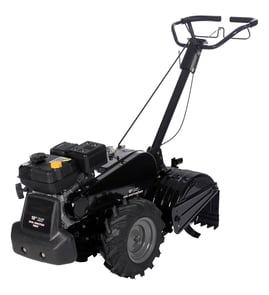
A power tiller (including the Craftsman 917299442 5-hp tiller) is built from a few main systems: the engine and drive, the tine/rotary unit that breaks soil, and the handle and control hardware that lets you steer and adjust depth. Individual fasteners and linkage parts keep everything aligned and safe.
Main assemblies you will see on most power tillers
- Engine (fuel system, ignition, air filter, muffler)
- Drive system (belt and pulleys/sheaves, clutch or tensioner)
- Transmission/gearcase (reduces speed and increases torque)
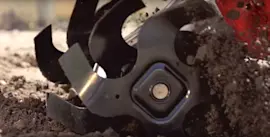
- Tines/rotary unit (tines, tine shaft, tine shields)
- Handle and controls (handlebar, grips, throttle, clutch lever)
- Depth stake/drag bar (sets tilling depth)
- Wheels and axle (transport and stability)
- Hardware (pins, keys, nuts, washers, bolts, springs)
Common small parts (and what they do)
These are the kinds of parts that often wear, loosen, or go missing during service:
| Part type | What it does | Common symptom when missing/worn |
|---|---|---|
| Clevis pin | Secures linkages or adjustments | Handle or depth setting will not stay put |
| Key | Locks a pulley/sheave to a shaft | Pulley spins but shaft does not drive |
| Spring | Returns a lever or maintains tension | Slipping drive or controls not returning |
| Washer/nut | Keeps joints tight and aligned | Rattling, misalignment, fasteners backing off |
Model-specific examples available for Craftsman 917299442 include the tiller engine sheave 592642101, key 532002649, and tiller handle grip 532008206.
Why it matters
Knowing which system a part belongs to helps you troubleshoot faster. For example, a tiller that runs but will not move forward usually points to the drive system (belt, sheave, key, clutch tension), not the tines themselves.
Quick identification tips
- If it spins soil, it is part of the tine/rotary unit.
- If it transfers power, it is part of the drive or transmission.
- If it adjusts or locks a setting, look for pins, springs, and hardware.
- If it vibrates loose, check for the correct washers and nuts (for example, gripco nut 596322601).
Last updated: February 2026