


Where is the model number on a Craftsman rear tine tiller?
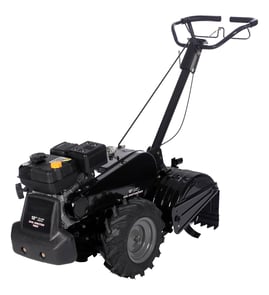
On a Craftsman rear-tine tiller like model 917299650, the model number is typically printed on a product ID label or metal tag mounted to the frame. The most common spots are near the tine shield (tine guard) or around the engine and fuel tank area.
Common places to check first
Look for a sticker, foil label, or stamped plate in these areas:
- On the tine shield/tine guard behind the tines
- On the main frame rail near the transmission/gear case
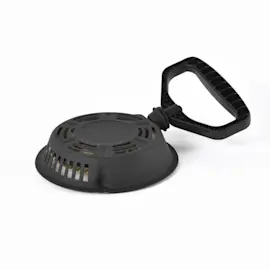
- Near the engine mount or recoil starter side
- On or near the fuel tank support area (not usually on the tank itself)
- Near the handlebar base where the handles bolt to the frame
What the label looks like (and what to write down)
Most Craftsman tillers use a rectangular label that includes a model number and sometimes a serial number. For parts lookup, we recommend recording:
- Model number (example: 917299650)
- Serial number (if shown)
- Any product number or engine model information (helpful for engine parts)
If the label is missing or unreadable
If the tag is damaged, you can still move forward by matching parts using diagrams and key assemblies.
| Situation | Best next step |
|---|---|
| Label is dirty or faded | Clean gently and use a flashlight at an angle to read it |
| Label is peeled off | Check for a stamped plate on the frame near the tine guard |
| You only have partial digits | Compare major parts (belt, cable, gear case) to narrow the match |
A common part customers use to confirm they are in the right parts list is the tiller clutch cable 532110675, since it is model-specific and ties directly to drive engagement.
Why it matters
The exact model number ensures you get the correct Craftsman rear-tine tiller parts (like the V-belt, clutch cable, and gear case components). Even small model-number differences can change cable lengths, belt sizes, and linkage hardware.
Last updated: January 2026
How often should I change the oil in my tiller?
For the Craftsman 917299650 rear-tine tiller, we recommend changing the engine oil after the first 5 hours on a new or rebuilt engine, then about every 25 to 50 hours of use or at least once per season (once a year). Change it sooner if the oil looks dark, smells burnt, or the tiller runs hot.
A practical oil-change schedule
Use this simple schedule to keep the engine protected during heavy tilling.
- New engine or fresh rebuild: change oil after 5 hours
- Normal homeowner use: every 50 hours or once per season
- Dusty, sandy soil or high heat: every 25 hours
- Long storage (end of season): change oil before storing
- Anytime oil is contaminated: change immediately (milky, gritty, fuel smell)
Quick checks before you drain the oil
These checks help you avoid low-oil damage and catch problems early.
- Park on level ground and let the engine cool slightly
- Check the oil level on the dipstick (do not overfill)
- Look at oil color and feel for grit between your fingers
- Inspect for leaks around the crankcase and drain area
- Clean dirt from around the fill cap so debris does not fall in
What to use (typical guidance)
Exact oil type can vary by engine brand and temperature range, but these are common choices for small 4-cycle tiller engines.
| Outdoor temperature | Common oil choice | Notes |
|---|---|---|
| Above 40°F | SAE 30 | Common for summer tilling |
| 0°F to 100°F | 10W-30 | Better for variable temps |
| Below 0°F | 5W-30 synthetic | Easier cold starts |
Why it matters
Fresh oil reduces wear on internal engine parts, helps control heat, and prevents sludge buildup that can shorten engine life, especially when the tiller is working hard in compacted soil.
If you are also troubleshooting drive performance (tines not engaging or slipping), inspect the belt and linkage while you are doing maintenance; a worn v-belt 532132672 can mimic engine power issues.
Last updated: January 2026
Are rear tine tillers better?
Rear-tine tillers are better for most heavy-duty jobs because the tines are behind the wheels, which improves traction and stability while breaking new ground. For a Craftsman rear-tine tiller like model 917299650, that typically means easier control in hard soil and better performance in larger gardens.
When a rear-tine tiller is the better choice
- Breaking new ground (packed soil, sod, or previously untilled areas)
- Working rocky soil or areas with roots (less bouncing and better bite)
- Tilling larger plots where straight tracking matters
- Needing deeper, more consistent tilling passes
- Wanting a machine that pulls itself forward instead of you pushing it
When a front-tine tiller can be “better”
A front-tine tiller can be the better fit if you mainly do light seasonal cultivation and want something smaller and easier to store.
- Small garden beds and already-loose soil
- Tight spaces and narrow rows
- Lower weight for easier transport
- Lower upfront cost (in many cases)
Quick comparison
| Feature | Rear-tine tiller (like 917299650) | Front-tine tiller |
|---|---|---|
| Best for | New ground, tough soil | Light cultivation |
| Handling | Tracks straighter, more stable | More “hands-on” steering |
| Typical size | Medium to large | Small to medium |
| Effort | More self-propelled feel | More pushing and guiding |
Why it matters
Choosing the right tine layout affects how much effort you spend per pass and how evenly the soil gets worked. If your goal is to open up new garden space or handle rough terrain, a rear-tine design usually saves time and reduces operator fatigue.
Parts that commonly affect performance
If a rear-tine tiller is hard to control, will not pull well, or the tines do not engage consistently, these parts are often involved:
- Drive belt condition and tension (glazing, cracking, stretching)
- Clutch cable adjustment and free play
- Chain and gear case wear (noise, slipping, uneven tine speed)
A common wear item to check is the tiller clutch cable 532110675.
Last updated: January 2026
What are common tiller problems?
Common problems on the Craftsman 917299650 rear-tine tiller include hard starting, surging or stalling under load, tines that will not engage, and poor tilling power. Most issues trace back to fuel quality, ignition, belt/cable adjustment, or wear in the drive and tine engagement parts.
Most common symptoms and what they usually mean
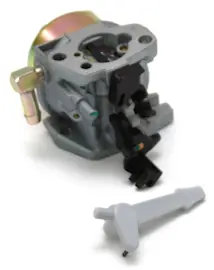
- Engine surges or won’t idle smoothly: stale fuel, dirty carburetor passages, air leak, or restricted fuel flow.
- Engine stalls when engaging tines: tine load too high, belt slipping, clutch cable out of adjustment, or drivetrain binding.
- Tines won’t turn or stop turning: worn/slipping belt, stretched/binding clutch cable, or internal drive wear.
- Poor tilling depth or “skips” on hard soil: depth stake set too shallow, soil too dry, or wheel/drive setup not matched to conditions.
- Grinding/clicking from the transmission area: chain/gear wear or low/contaminated gear case lubricant.
Quick checks we recommend before replacing parts
- Fuel and spark basics
- Drain old gas; refill with fresh fuel.
- Check the spark plug condition and gap.
- Inspect the air filter and clean or replace if dirty.
- Engagement and drive inspection
- Verify the clutch lever moves freely and returns fully.
- Inspect belt condition and tension.
- Check for debris wrapped around tines/shafts.
- Soil and setup
- Reduce depth for the first pass; increase gradually.
- Use slower ground speed in hard soil.
Parts that commonly affect tine engagement
If the engine runs but the tines do not pull consistently, these model-matched parts are common suspects:
| Symptom | Most likely area | Typical fix |
|---|---|---|
| Surging at idle | Fuel/air delivery | Fresh fuel, clean carburetor, service air filter |
| Stalls when tines engage | Belt/cable adjustment or overload | Reduce depth, inspect belt, adjust/replace cable |
| Tines won’t move | Belt/cable/drive | Replace belt, replace cable, inspect chain/gear case |
Why it matters
A rear-tine tiller loads the engine heavily when the tines bite into soil. Keeping the clutch cable, V-belt, and drive components in good shape prevents stalling, protects the gear case, and restores consistent tilling depth.
Last updated: January 2026