Owner’s manual
How long does a Samsung WF438AAR washer last?
A Samsung front-load washer like model WF438AAR typically lasts 10 years with normal household use. With consistent care (proper loading, correct detergent, and routine cleaning), it commonly reaches 12 to 15 years before major repairs become more likely; see the WF438AAR owner's manual for maintenance guidance.
What affects lifespan the most
- Overloading the drum and running frequent heavy cycles
- Poor leveling that increases vibration and stress on the suspension
- Hard water and detergent buildup that can affect valves, hoses, and the tub
- Drain restrictions (coins, lint, debris) that overwork the drain system
- Door boot care (leaving it wet) that leads to odor, mildew, and leaks
Quick maintenance that extends life
- Keep the washer level and stable to reduce vibration (important on high-spin models).
- Use HE detergent and avoid overdosing.
- Wipe the door boot dry after laundry day and leave the door ajar between loads.
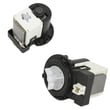
- Clean the drain pump filter periodically; replace a damaged filter such as the washer drain pump filter DC63-00909A.
- If you notice banging or excessive shaking, inspect the suspension; worn dampers such as the Samsung washer shock absorber DC66-00470A can shorten the washer’s life.
Typical lifespan expectations (what to plan for)
| Usage pattern | Typical lifespan | What usually fails first |
|---|---|---|
| Light (few loads/week) | 12 to 15 years | Hoses, door boot, inlet valve |
| Average (most households) | About 10 years | Drain issues, vibration parts |
| Heavy (daily loads) | 7 to 10 years | Suspension, pump, tub seals |
Why it matters
Planning around a realistic lifespan helps you decide when to do a repair (for example, replacing a drain hose or inlet valve) versus when a major tub or drive repair no longer makes sense for your household.
Last updated: February 2026
What is the most common problem with Samsung washing machines?
The most common issue we see on Samsung washers like model WF438AAR is a spin problem caused by an unbalanced load, which leaves clothes wet at the end of the cycle. The WF438AAR manual specifically calls out “unbalanced load prevented your washer from spinning” and recommends redistributing the load and restarting. See the WF438AAR owner's manual.
What “won’t spin” usually means on WF438AAR
When the washer cannot balance the load, it may slow down, stop, or never reach high-speed spin.
Common causes:
- Bulky items (comforters, towels) clumping on one side
- Too few items in the drum (single heavy item)
- Overloading the drum
- Washer not level on the floor
- Worn suspension parts that let the tub bounce
Quick checks we recommend first
Try these steps before replacing parts:
- Pause the cycle, open the door, and redistribute items evenly
- Run Spin only after redistributing (the manual recommends this approach when draining/spinning issues occur)
- Confirm all four feet are firmly on the floor and the cabinet is level
- Reduce load size and avoid mixing one heavy item with light items
- If the washer also drains slowly, clean the drain pump filter area and check for a small clog
When it’s not just the load: symptoms and likely direction
| Symptom | Most likely direction | What to check next |
|---|---|---|
| Loud banging during spin | Load out of balance or weak suspension | Leveling, load size, suspension wear |
| Excessive shaking every load | Installation/leveling or suspension | Feet, floor flex, shock absorbers |
| Wet clothes plus drain issues | Drain restriction | Drain hose routing, pump filter, clogs |
| Door will not lock/unlock | Door lock or control issue | Door closure, latch alignment, error codes |
Parts that commonly relate to vibration and spin complaints
If balancing and leveling do not fix repeated shaking, worn suspension is a common next suspect. For this model, we stock the Samsung washer shock absorber DC66-00470A.
Why it matters
A washer that cannot balance and spin properly leaves clothes wetter, increases cycle time, and puts extra stress on the tub, bearings, and door boot.
Last updated: February 2026
What parts fail in a washing machine?
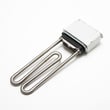
In a Samsung WF438AAR washer, the parts that fail most often are the ones that handle water flow, draining, door sealing, and vibration control. When these parts wear out or clog, you typically see leaks, no-fill/no-drain symptoms, door seal problems, or excessive shaking (check the WF438AAR owner's manual for model-specific troubleshooting and information codes).
Most common washer parts that fail
- Water inlet valve (can cause no fill, slow fill, or overfilling)
- Drain system parts (drain hose, pump hoses, drain pump filter) that clog with lint, coins, or debris
- Door boot (rubber seal) and clamps that can leak or tear
- Shock absorbers that control tub movement and reduce vibration
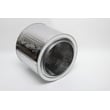
- Tub gaskets that can seep and cause hidden leaks
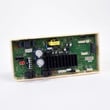
- Control and sensor issues (often show up as information codes)
Parts on this model that match those symptoms
| Symptom | Likely area | Example part for WF438AAR |
|---|---|---|
| Won’t fill or fills slowly | Water supply and valve | Washer water inlet valve DC62-30314K |
| Won’t drain or drains slowly | Drain path and filter | Washer drain pump filter DC63-00909A |
| Water leaking at the door | Door seal and clamps | Washer door boot DC64-01570A |
| Excessive vibration or banging | Suspension | Samsung washer shock absorber DC66-00470A |
Quick checks before replacing parts
- Confirm the washer is level on a solid floor; an unlevel cabinet increases vibration and wear.
- Verify both water faucets are fully open and hoses are not kinked.
- Check inlet hose screens for sediment if fill is slow.
- Clean the drain pump filter first if draining is slow or an “nd” style drain issue appears.
- Inspect the door boot for tears, pinholes, or detergent residue that prevents sealing.
Why it matters
Catching the failing part early prevents secondary damage. For example, low water pressure or restricted flow can contribute to valve problems, and drain restrictions can trigger drain errors and leave water in the tub. Your WF438AAR manual also notes required water pressure (20 to 116 psi) and includes information codes that help narrow the failure quickly.
Last updated: February 2026