Installation guide
 Owner’s manual
 Error Codes

What is the average lifespan of a Kenmore washer?
Most Kenmore washers average 10 to 15 years of service life with normal household use and basic maintenance; your Kenmore model 11025862400 typically fits that range. Keeping the washer level, using correct water temperature, and avoiding overloads helps you reach the high end of that lifespan.
- Load size and frequency: frequent heavy loads shorten drive and suspension life.
- Installation and leveling: an unlevel washer increases vibration and wear.
- Water quality and temperature: very hot water and mineral buildup can stress seals and hoses.
- Drain performance: slow draining strains the pump and can leave residue behind.
- Wear parts: small mechanical parts wear first and are often economical to replace.
| Usage pattern | Typical lifespan | What usually wears first |
|---|---|---|
| Light (1 to 3 loads/week) | 12 to 15 years | Lid switch, pump, agitator parts |
| Average (4 to 7 loads/week) | 10 to 13 years | Coupling, clutch, suspension |
| Heavy (8+ loads/week) | 7 to 10 years | Drive system, basket support, leaks |
We recommend these habits because they reduce stress on the drive system and help prevent leaks:
- Keep the washer on a level floor and correct rocking.
- Use the right water level for the load; avoid packing the basket.
- Check pockets and wash small items in a mesh bag to protect the drain path.
- If draining slows or you hear grinding, inspect the pump area and consider replacing the washer drain pump WP3363394.
- If agitation becomes weak or intermittent, inspect common wear items like the agitator dog 80040.
A washer near the end of its lifespan often shows early warning signs (longer cycles, louder spin, poor agitation, or incomplete draining). Replacing a targeted part early can prevent secondary damage and keep your Kenmore washer running reliably.
For installation and care basics that support long life (leveling, drain setup, electrical requirements), follow the 11025862400 installation guide.
Last updated: February 2026
Is it worth repairing a Kenmore washing machine?
Yes, repairing a Kenmore washer is worth it when the fix restores reliable wash and spin performance for less than the cost of replacement, especially on a proven direct-drive style like model 11025862400. Common repairs (lid switch, drain pump, motor coupling) are straightforward and often extend service life.
- Repair when the washer fills, agitates, and spins after a single failed part is replaced.
- Repair when the tub and cabinet are solid (no severe rust-through or major structural damage).
- Replace when multiple major drive components are failing at once (for example, clutch plus gear case plus basket drive).
- Replace when the cost of parts plus labor approaches the price of a comparable new washer.
- Repair when the issue is a common wear item (switches, couplers, pumps, hoses).
These are frequent, cost-effective fixes on Kenmore 11025862400:
| Symptom | Likely cause | Example part for this model |
|---|---|---|
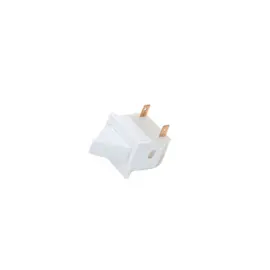
| Won’t spin or stops when lid opens | Failed lid switch | Washer lid switch WP3949238 |
| Won’t drain or drains slowly | Clogged or failed pump, kinked hose | Washer drain pump WP3363394 |
| Agitates but won’t spin (or loud grinding) | Worn motor coupling | Washer motor coupling 285753A |
| Agitator “ratchets” or won’t move clothes well | Worn agitator dogs | Agitator dog 80040 |
A targeted repair prevents repeat breakdowns and protects the drive system. For example, a washer that cannot drain can leave water in the tub, strain the pump, and lead to poor spin results and wet loads.
- Confirm the washer is on a level floor to reduce vibration and “walk” issues.
- Verify the drain setup: standpipe height is typically 39 to 96 inches from the washer base.
- Make sure the washer is plugged into a grounded 3-prong outlet (no extension cord).
- Check that hot and cold supply valves are fully open and water pressure is in a normal range.
- Review installation and electrical requirements in the installation guide.
Last updated: February 2026
What is the capacity of Kenmore model 11025862400?
Kenmore washer model 11025862400 is a classic top-load, direct-drive style washer; most Kenmore 110 top-loaders in this design family run about 3.2 to 3.5 cu. ft. capacity. For the exact tub capacity for your specific unit, confirm it in the 11025862400 owner's manual.
We recommend using the model-specific documentation first, then the rating label if needed.
- Check the specifications section in the manual for “capacity” or “basket volume”
- Look for the model and serial tag (often under the lid or on the rim) and note any “Type” or “Series” info
- Compare your control panel and cycle chart to the manual images to ensure you have the right variant
- If you are measuring for load size, use the “clothes should move freely” guidance rather than packing the basket
These washers were produced across multiple sub-variants; capacity commonly falls into a narrow range.
| Washer type (Kenmore 110 top-load) | Typical capacity | Best for |
|---|---|---|
| Standard top-load, direct-drive | 3.2 to 3.5 cu. ft. | Medium to large everyday loads |
| Larger “super capacity” variants | 3.5 to about 4.0 cu. ft. | Bulkier loads, fewer loads per week |
Capacity affects how full you can load the basket without poor agitation, out-of-balance spin, or reduced cleaning. Using the right load size also helps protect wear parts like the clutch and agitator components.
If your washer is not agitating well with normal loads, common wear items include the agitator dog 80040 and the drive system coupler.
Last updated: February 2026
How to identify a Kenmore washer model?
Your Kenmore washer model number is the ID we use to match parts and instructions to your exact machine. For Kenmore model 11025862400, the model tag is typically on the washer cabinet under the lid (top-load) or on the back panel; once you find it, use that full number when ordering parts or checking the 11025862400 owner's manual.
Check these common locations first (use a flashlight and wipe dust off the label):
- Top-load washers: under the lid, around the tub opening or on the underside of the lid
- Front-load washers: inside the door opening, around the door frame
- Rear of washer: back panel near the power cord or water inlet valves
- Control area: behind or under the control console on some designs
Kenmore model numbers are usually a long string of numbers; many start with 110 (like 11025862400). Record the full model number exactly as shown.
| What to capture | Example | Why it matters |
|---|---|---|
| Model number | 11025862400 | Ensures diagrams and parts lists match your washer |
| Serial number | (varies) | Helps with production date and version differences |
| Type | Top-load or front-load | Changes where labels and parts are located |
- Copy the model number character-for-character (no spaces)
- Take a clear photo of the tag before you leave the laundry room
- If your washer won’t spin or drain, confirm the model before buying common fixes like a washer lid switch WP3949238 or washer drain pump WP3363394
- Use the model number when following setup steps such as leveling and hose routing in the installation guide
Kenmore washers often have multiple versions that look similar. Using the exact model number (like 11025862400) prevents mismatched parts, incorrect installation steps, and repeat repairs.
Last updated: February 2026
Does my Kenmore top load washer have a filter?
Yes. Kenmore top-load washers like model 11025862400 typically do not use a front-access lint filter like many front-loaders; instead, they rely on a self-cleaning pump system and internal lint handling. For your exact cleaning and maintenance steps, follow the 11025862400 owner's manual.
Most owners are looking for one of these:
- Lint filter you remove and rinse (common on some older or compact designs)
- Drain pump trap/coin trap (common on many front-load washers)
- Inlet screen filters inside the hot and cold water valve ports (common on most washers)
- Internal pump protection (not user-serviceable as a removable filter)
On this Kenmore top-load design, the most practical “filter” maintenance is cleaning the water inlet screens and keeping the drain path clear.
- Unplug the washer before any inspection.
- Turn off both water faucets.
- If fill is slow or water flow is weak, remove the fill hoses and rinse debris from the inlet screens.
- If the washer will not drain or drains slowly, check the drain hose for kinks and verify the standpipe height and setup.
- If the washer will not spin or stops when the lid opens, test the lid switch function.
| Symptom | Most common cause | What to check first |
|---|---|---|
| Slow fill | Clogged inlet screens | Hose ends and valve screens |
| No drain / slow drain | Blocked drain hose or failing pump | Drain hose routing; pump condition |
| Won’t spin | Lid switch not closing | Lid strike and switch operation |
If you suspect a drain problem and the pump is noisy, leaking, or not moving water, the washer drain pump WP3363394 is a common replacement part for this model.
A clogged inlet screen can cause long fill times and poor wash performance, and a restricted drain path can leave water in the tub and prevent proper spinning. Keeping water flow and draining healthy reduces cycle issues and helps protect the drive system.
Last updated: February 2026
What is the UL code on the Kenmore Elite Oasis HE washer?
On Kenmore washers, a UL code means the washer detected an unbalanced load and stopped or limited the spin to protect the drive system. For your Kenmore model 11025862400, the fix is usually to redistribute the load and confirm the washer is level using the steps in the installation guide.
- Pause the cycle and open the lid.
- Redistribute items evenly around the basket; wash bulky items (blankets, rugs) with a few smaller items for balance.
- Remove a few items if the tub is tightly packed.
- Check that the washer sits solidly on the floor; adjust the leveling feet until it does not rock.
- Run a Spin/Drain cycle again and watch for excessive vibration.
A UL code is most common when the washer cannot reach or maintain high-speed spin.
- Floor: Use a firm, level floor; carpeting is not recommended.
- Slope: Keep floor slope within about 1 inch under the entire washer.
- Load type: Avoid washing a single heavy item by itself.
- Load size: Do not overload; leave room for items to move.
- Suspension: If the tub bounces excessively, inspect suspension components.
If leveling and load changes do not help, worn drive or suspension parts can make balancing harder.
| Symptom during spin | Common cause | Example part for this model |
|---|---|---|
| Loud banging, tub swings | Weak suspension support | Washer suspension spring WP63907 |
| Agitator movement is poor, load “clumps” | Worn agitator dogs | Agitator dog 80040 |
| Spin is inconsistent or slow | Drive system wear | Clutch 285785 |
When the washer repeatedly stops for UL, clothes stay wetter and the drive components work harder than normal. Correct leveling and balanced loading help the washer spin smoothly and reduce wear on the clutch, basket drive, and suspension.
Last updated: February 2026