 Error Codes



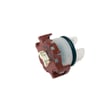

Is it worth repairing a GE dishwasher?
Yes, repairing a GE dishwasher is usually worth it when the unit is under about 10 years old, the tub is in good shape, and the problem is tied to a replaceable part (not repeated major failures). For model GDT645SMN2ES, common repairs like a drain, fill, or latch issue are often practical.
Quick decision checklist
- Repair makes sense if the dishwasher is cleaning well overall and only one function failed (drain, fill, heat, latch).
- Repair makes sense if you have no leaks from the tub and no heavy rust-through on racks.
- Replace makes sense if you have frequent breakdowns, multiple symptoms at once, or repeated control problems.
- Replace makes sense if the cost of parts plus labor approaches the cost of a comparable new dishwasher.
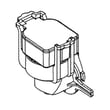
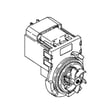
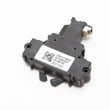
- Repair makes sense if the issue is clearly isolated to a single component such as the dishwasher drain pump WD19X25461 or GE dishwasher door latch lock WD21X10490.
Typical repair scenarios for GDT645SMN2ES
| Symptom | Common cause | Part often involved |
|---|---|---|
| Won’t drain | Clogged hose, failed drain pump | Drain system, dishwasher drain hose WD24X10062 |
| Won’t start or stops mid-cycle | Door not latching, latch switch issue | Door latch system |
| Not filling or fills slowly | Supply issue, inlet valve problem | Water inlet system |
| Not drying | Heater circuit issue, venting issue | Heating/venting system |
Why it matters
A targeted repair can restore wash performance and avoid the time and disruption of replacing and reinstalling a built-in dishwasher. On the other hand, repeated failures can turn into higher total cost and more downtime than replacement.
What we recommend before you decide
- Check for an error code and match it to the symptom using GE dishwasher error codes.
- Confirm the basics: breaker on, water supply valve open, and the door closes firmly.
- Look for simple causes first: kinked drain hose, clogged filters, blocked spray arms.
- If the dishwasher won’t start, use dishwasher wont start video to walk through the most common checks.
- Price out the likely fix (part plus labor) and compare it to replacement cost.
Last updated: February 2026
What is the most common problem with GE dishwashers?
The most common issue we see with GE dishwashers like model GDT645SMN2ES is a no-start or won’t-run complaint. In most cases, the root cause is simple: the door is not fully latching, power is interrupted, or the controls are not accepting a cycle start.
Quick checks first (fastest fixes)
- Press the door closed firmly until you feel it latch; a weak latch can prevent any cycle from starting.
- Confirm the dishwasher has power (breaker on, no GFCI outlet tripped).
- Cancel the cycle and reselect a normal cycle, then press Start.
- Make sure the control panel is responsive and not locked.
- If the unit beeps but does nothing, focus on the door latch and control inputs.
Parts that commonly cause “won’t start” on this model
If basic power and door closure checks look good, these parts are frequent suspects on GDT645SMN2ES:
- GE dishwasher door latch lock WD21X10490 (door must latch for the control to run)
- Dishwasher door latch strike adapter WD13X22837 (misalignment can keep the latch from engaging)
- Configured machine control board WD21X27998 (controls power and cycle logic)
- Dishwasher wire harness and thermal fuse WD21X27402 (a blown thermal fuse can stop operation)
Other “most common” GE dishwasher complaints (after no-start)
Many GE dishwashers also get service calls for these issues:
- Not draining (standing water in the tub)
- Not cleaning well (food left on dishes)
- Not drying (wet dishes at end of cycle)
- Leaks at the door or tub edge
- Unusual noises during wash or drain
Symptom-to-part quick map
| Symptom | What to check first | Common related part |
|---|---|---|
| Won’t start | Door fully latched | Door latch lock |
| Won’t drain | Kinked/blocked hose, disposal plug | Drain pump or drain hose |
| Not cleaning | Clogged spray arm holes, low water flow | Lower spray arm or wash pump |
| Not drying | Heated dry setting, rinse aid | Heating element |
Why it matters
A dishwasher that won’t start is often a safety interlock issue (door latch) or a power/control issue. Checking the latch and power first prevents unnecessary part replacement and gets your GE dishwasher running again faster.
For fault lights or beeping patterns, we use the GE electronic dishwasher error codes guide to match the symptom to the most likely circuit or component.
Last updated: February 2026
What is the average life expectancy of a GE dishwasher?
A GE dishwasher typically lasts about 10 years with normal household use and basic maintenance. For your GE GDT645SMN2ES, keeping the wash system clean and fixing small issues early (like poor draining or weak spray) helps you reach that expected lifespan.
Typical lifespan and what changes it
Most dishwashers fall into a similar range, but usage and water conditions make a big difference.
- Typical GE dishwasher lifespan: ~10 years
- Heavy daily loads can shorten life; light use can extend it
- Hard water and heavy detergent buildup accelerate wear
- Running hot water at the sink before starting improves cleaning and reduces strain
- Promptly addressing leaks protects the motor, wiring, and control area
Quick maintenance checklist (best ROI)
These steps reduce the most common causes of early failure: restricted water flow, poor draining, and overheating.
- Clean the filter area and sump regularly; remove labels, glass, and food debris
- Check spray arms for clogs and cracks; replace if jets are blocked (see dishwasher spray arm, lower WD22X33499 and dishwasher spray arm, middle WD22X33498)
- If water remains in the tub, inspect the drain path and hose routing; replace a damaged hose with dishwasher drain hose WD24X10062
- If drying is weak or cycles run cool, test the heater circuit; a failed heater can be replaced with element heat WD05X35098
- If the unit will not fill or fills slowly, check the shutoff valve and inlet screen; replace the valve if needed with dishwasher water inlet valve WD15X26078
Symptoms that suggest end-of-life vs. a repairable issue
| Symptom | Often repairable? | Common area to check |
|---|---|---|
| Not draining, standing water | Yes | Drain pump, drain hose |
| Not cleaning well | Yes | Spray arms, wash pump, sump |
| No heat or poor drying | Yes | Heater, control, venting |
| Repeated leaks from door area | Yes | Tub gasket, door components |
| Multiple major failures close together | Sometimes not | Pump, control, wiring |
Why it matters
A dishwasher near the 10-year mark can still be a great candidate for repair when the fix is targeted (spray arm, inlet valve, drain hose). When multiple high-cost systems fail together (wash pump, control board, wiring), replacement becomes more practical.
For troubleshooting lights or beeps that point to a specific failure, use GE dishwasher error codes.
Last updated: February 2026
Can I replace dishwasher parts myself?
Yes, many repairs on your GE GDT645SMN2ES dishwasher are DIY-friendly, especially mechanical parts you can access from inside the tub. For electrical or leak-related repairs, we recommend careful troubleshooting and safe shutoff steps before replacing parts like the dishwasher water inlet valve WD15X26078 or dishwasher drain pump WD19X25461.
What you can usually replace yourself
These repairs are typically straightforward with basic hand tools:
- Spray arms (clogs, cracks, poor cleaning), such as dishwasher spray arm, lower WD22X33499
- Door sealing parts like the dishwasher tub gasket WD08X23477
- Drain hose routing or replacement, such as dishwasher drain hose WD24X10062
- Door latch issues (won’t start because it won’t latch), such as GE dishwasher door latch lock WD21X10490
- Silverware basket and rack-related items (fit and function), such as dishwasher silverware basket WD28X24469
Repairs that take more skill (but are still possible)
These involve wiring, diagnostics, or removing the dishwasher from the cabinet:
- No fill or slow fill: inlet valve, float issues, supply shutoff problems
- Not draining: drain pump, drain path blockage, high loop/air gap issues
- Poor wash performance: wash pump, sump, feed tube restrictions
- No heat or poor drying: heater circuit checks, heating element replacement
- Control problems: user interface or control board replacement
A good starting point for symptom-based troubleshooting is GE dishwasher error codes.
Safety checklist before you start
Always do these steps first to prevent shock, burns, and leaks:
- Turn off power at the breaker (dishwashers are typically hardwired)
- Shut off the water supply valve under the sink
- Protect the floor with towels; keep a shallow pan ready
- Take photos of wire connections and hose routing before removal
- Run a short test cycle after reassembly and check for leaks
Quick “DIY difficulty” guide
| Repair type | Typical difficulty | Common parts involved |
|---|---|---|
| Inside-tub mechanical | Easy | Spray arms, baskets, gasket |
| Drain and hose work | Medium | Drain pump, drain hose |
| Electrical diagnostics | Medium to hard | Latch, harness, controls |
| Pulling dishwasher out | Hard | Inlet valve, pump, sump |
Why it matters
Replacing the right part the first time saves time and prevents repeat problems. For example, a “won’t start” symptom can be a door latch issue, while a “not draining” symptom can be a clogged hose or a failing pump, and the fix is different.
Last updated: February 2026
What are the commonly replaced parts in a dishwasher?
In a GE dishwasher like model GDT645SMN2ES, the most commonly replaced parts are the ones that control water flow, washing action, draining, heating, and door closing. When you see leaks, poor cleaning, no-drain symptoms, or a no-start condition, these parts are the first places we check.
Commonly replaced dishwasher parts (and what they affect)
- Door sealing parts: tub gasket and door sealing surfaces that stop leaks
- Spray system parts: spray arms and feed tubes that deliver wash water to dishes
- Drain parts: drain pump and drain hose that move dirty water out
- Wash circulation parts: wash pump and sump components that push water through the spray arms
- Fill parts: water inlet valve that lets water into the tub
- Heating and drying parts: heater element and venting parts that support drying
- Start and control parts: door latch and electronic controls that allow the cycle to run
Examples of common replacements for GDT645SMN2ES
These are model-matched examples we often see replaced when symptoms point to them:
| Symptom | Common part to check | Example model-matched part |
|---|---|---|
| Leaks at the door | Tub gasket | Dishwasher tub gasket WD08X23477 |
| Not draining or slow drain | Drain pump, drain hose | Dishwasher drain pump WD19X25461, dishwasher drain hose WD24X10062 |
| Poor cleaning, weak spray | Spray arms, wash pump | Dishwasher spray arm, lower WD22X33499, wash pump main asm WD19X25700 |
| Not filling or fills slowly | Water inlet valve | Dishwasher water inlet valve WD15X26078 |
| Won’t start or stops mid-cycle | Door latch lock, control board | GE dishwasher door latch lock WD21X10490, configured machine control board WD21X27998 |
Why it matters
Replacing the right part first saves time and prevents repeat breakdowns. For example, a “not draining” complaint can be a clogged hose, a failing drain pump, or a control issue; matching the part to the symptom is what keeps the repair accurate.
Quick troubleshooting tips before you order parts
- Confirm the door closes firmly and latches every time.
- Clean the filter area and check for debris around the sump.
- Inspect spray arms for clogs and make sure they spin freely.
- Check the drain hose for kinks, clogs, or a blocked air gap (if used).
- Run hot water at the sink before starting to improve wash performance.
- If the dishwasher shows an error, look it up in GE dishwasher error codes.
Last updated: February 2026





