Installation guide
 Owner’s manual


How to do a hard reset on GE dryer?
To hard reset a GE GTD65EBSJ4WS dryer, we recommend disconnecting power long enough for the control to fully reboot: unplug the dryer (or switch the breaker off) for 1 minute, then restore power and try a cycle. For control and display behavior, use the GTD65EBSJ4WS owner’s manual.
Hard reset steps (safe, model-friendly)
- Press Power to put the dryer in idle (if the panel responds).
- Unplug the dryer from the outlet; or turn both dryer breakers off at the electrical panel.
- Wait at least 1 minute (2 to 5 minutes is fine if the display was frozen).
- Restore power (plug back in or turn breakers on).
- Press Power, select a cycle, and press Start with the door fully closed.
If it still won’t start after the reset
A “reset” won’t fix a no-start condition caused by power, door, or control lock issues. Check these common items next:
- Make sure the door is fully closed; the dryer will not start with the door open.
- If Control Lock is on, unlock it (this model uses a button-hold combination; see the manual).
- Verify the outlet has power and the cord is seated firmly.
- If the dryer tumbles but won’t heat, one breaker can be tripped on some installations.
Quick checks and what they point to
| What you see | Most likely cause | What to do next |
|---|---|---|
| Display dead | No power | Check breaker(s), outlet, cord |
| Controls respond but won’t start | Door not sensed or control lock | Check door closure, unlock controls |
| Starts then stops quickly | Door switch or control issue | Inspect door latch area; consider testing the switch |
When a “hard reset” matters
A power reset is most helpful for temporary control glitches (frozen display, unresponsive buttons, odd cycle behavior). If the problem repeats, we treat it as a symptom and troubleshoot the underlying cause.
Parts that can be involved (when symptoms match)
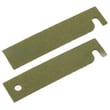
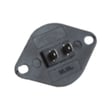
If the dryer won’t start and the door is closed, the door switch is a common suspect on many GE dryers, including GTD65-series designs. If you’re diagnosing a no-start issue, see the dryer door switch WE04X28977.
Last updated: January 2026
What is the life expectancy of a GE dryer?
A GE dryer like model GTD65EBSJ4WS commonly lasts about 10 to 15 years, but real life expectancy depends most on venting, load habits, and routine cleaning. Following the care and venting guidance in the GTD65EBSJ4WS owner’s manual helps you get the longest, safest service life.
What affects dryer lifespan the most
- Venting condition and length (restricted airflow makes the dryer run hotter and longer)
- Lint control (cleaning the lint screen every load and keeping the lint chute area clear)
- Load size (overloading strains the drum support system and drive components)
- Heat settings and cycle choice (high heat on every load increases wear)
- Installation quality (proper leveling reduces vibration and component stress)
Maintenance that typically extends life
We recommend these habits for GTD65EBSJ4WS and similar GE dryers:
- Clean the lint screen before or after every load
- Inspect and clean the home exhaust duct at least yearly
- Keep the outside vent hood opening freely (no lint buildup or stuck damper)
- Avoid crushing or kinking the 4-inch exhaust duct behind the dryer
- Level the dryer so it does not shake or “walk”
Quick “repair vs. replace” checkpoints
| What you notice | Often points to | What we do next |
|---|---|---|
| Long dry times | Airflow restriction or heat issue | Verify venting first; then check heat components |
| Squealing/thumping | Wear in drum support or drive system | Inspect belt, idler, glides, and bearings |
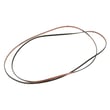
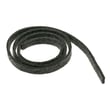
| Drum not turning | Broken/slipping belt or drive issue | Check the dryer drum belt WE03X29897 |
Why it matters
A dryer that is forced to run with poor airflow or heavy loads usually has longer cycle times, higher energy use, and more heat stress on parts like the heating system, drum supports, and drive belt. Keeping airflow strong is one of the best ways to protect the dryer and your laundry.
Last updated: January 2026
What is the most common problem with a GE dryer?
On the GE GTD65EBSJ4WS dryer, the most common complaint we see is no heat or poor drying, usually tied to restricted airflow (lint buildup or venting issues) or a failed heating circuit component (thermostat, thermistor, or heating element on electric models).
Quick checks first (fast, no tools)
- Clean the lint screen before every load; wash it with warm soapy water if it has a waxy film.
- Confirm the exhaust airflow outside is strong and steady while the dryer runs.
- Avoid overloading; large loads can mimic a “no heat” problem by preventing proper tumbling.
- Verify the cycle and temperature settings are appropriate (sensor cycles behave differently than timed cycles).
- If the drum turns but there is no heat, check your home power or gas supply (depending on dryer type).
Most common causes and what they point to
| Symptom | Most likely cause | What to do next |
|---|---|---|
| Clothes take too long to dry | Vent restriction or crushed/kinked duct | Follow venting specs in the GTD65EBSJ4WS installation guide |
| Dryer tumbles but won’t heat | Heating circuit issue or supply issue | Inspect/test heat components; confirm correct supply |
| Dryer won’t start | Door not sensed as closed | Check the dryer door switch WE04X28977 |
| Drum won’t turn | Belt or idler problem | Inspect belt and idler; consider the dryer drum belt WE03X29897 |
| Squealing/grinding noise | Worn glides/bearings | Inspect drum support parts and felt seals |
Model-specific notes for GTD65EBSJ4WS
This model’s documentation emphasizes airflow and venting as key to performance and safety. If drying times are inconsistent, we prioritize checking the lint filter area and the full exhaust duct run before replacing parts. For operating and troubleshooting tips, use the GTD65EBSJ4WS owner’s manual.
Why it matters
Poor airflow can cause long dry times, overheating, and repeated part failures. Fixing venting and lint buildup first often restores normal drying and helps protect heating components like thermostats and thermistors.
Last updated: January 2026