Owner’s manual
 View engine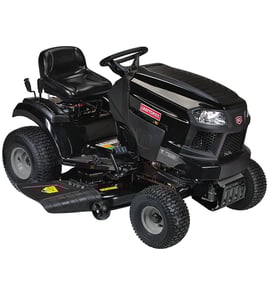



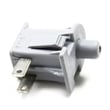
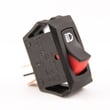
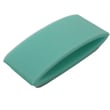
What model number is the Craftsman 917256600 riding mower?
The model number for this Craftsman riding mower is 917.256600 (often written without the dot as 917256600). On the tractor, we find the model number on the model plate located under the seat; the owner's manual shows this location and explains the difference between tractor and engine model numbers.
Where to find the model number on the tractor
Check these common ID locations first:
- Under the seat on the model plate (primary location for model 917.256600)
- On the frame near the seat pan or rear fender area
- Near the footrest area on the chassis (varies by build)
- In the documentation for the tractor (model and parts lists)
Tractor model number vs. engine model number
Your tractor and engine use different model identifiers. This matters when ordering parts.
| What you are identifying | Where it’s found | What it’s used for |
|---|---|---|
| Tractor model number (917.256600) | Model plate under the seat | Chassis, mower deck, steering, electrical, decals, belts |
| Engine model number | On the engine blower housing | Engine-specific parts like tune-up items and internal engine components |
Why it matters for parts and repairs
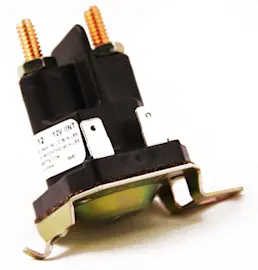
Using the correct model number helps us match the right diagrams and parts for your exact build. For example, model 917.256600 parts commonly include items like the molded ignition key 532140403 and the solenoid 532146154, which are tied to the tractor’s electrical and starting system.
Quick tips when writing the model number
- 917.256600 and 917256600 refer to the same tractor model
- Copy the number exactly as shown on the plate when possible
- If you are ordering engine parts, also record the engine model/spec numbers
Last updated: February 2026
Is it worth replacing a lawn mower engine?
Yes, replacing the engine on your Craftsman 917256600 front-engine lawn tractor is worth it when the tractor’s deck, steering, and drive system are still solid and the total engine-swap cost stays well below the cost of replacing the whole machine. Use the owner's manual to confirm the correct engine family, wiring, and safety interlocks before you buy parts.
Quick decision checklist
- The mower deck is not rusted through and the mandrels spin smoothly
- The transmission and drive belt system still move the tractor reliably
- The frame and steering are tight (no severe play or cracking)
- You can complete basic maintenance and wiring checks safely
- The engine failure is major (low compression, thrown rod) rather than a tune-up issue
Cost rule of thumb (what we use)
Engine replacement makes sense when the all-in cost (engine, incidentals, and your time or labor) is clearly less than replacing the tractor.
| Scenario | Typical recommendation | Why |
|---|---|---|
| Tractor is in good shape; engine is catastrophic | Replace engine | You keep a known-good chassis and deck |
| Tractor has multiple worn systems (deck, steering, transmission) | Replace tractor | Engine swap will not fix the other failures |
| Engine runs poorly but still starts | Diagnose first | Many “engine” problems are fuel, spark, or safety-switch related |
Before you commit: rule out common “no-start” causes
Your manual’s troubleshooting chart calls out several issues that can mimic a bad engine. Check these first:
- Battery condition and cable/terminal corrosion
- Blown fuse and loose or damaged wiring
- Spark plug and air filter condition
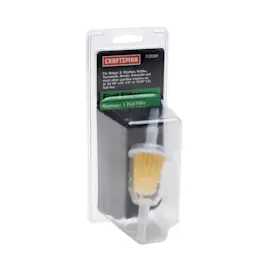
- Fuel quality (stale fuel, water in fuel) and fuel filter restriction
- Safety interlocks (seat switch, clutch/brake pedal switch, PTO engagement)
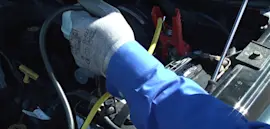
If the tractor will not crank and you have power, a failed starter solenoid is a common fix; the solenoid 532146154 is a model-matched option.
Why it matters
An engine swap is a big investment; confirming the rest of the Craftsman 917256600 is mechanically sound prevents spending engine money on a tractor that still will not mow well, drive straight, or engage blades.
Last updated: February 2026
What engine does Craftsman riding mower use?
The Craftsman riding mower model 917256600 uses a Kohler CV15S single-cylinder engine (listed as CV15S-PS41525 in the repair parts section). For the exact engine configuration and service details, use the owner's manual.
How to confirm the engine on your tractor
We recommend matching what is on your engine ID label to what the tractor documentation lists.
- Locate the engine ID tag (typically on the blower housing or valve cover area)
- Confirm the engine family/model reads CV15S
- Record the full spec number (often shown after the model)
- Compare it to the manual listing CV15S-PS41525
- Use the engine model and spec when ordering engine-specific parts (filters, carburetor parts, starter parts)
What the manual lists for model 917256600
The repair parts list for the engine section identifies the engine as Kohler CV15S-PS41525.
| Item | What to look for | Why it matters |
|---|---|---|
| Engine model | CV15S | Ensures correct tune-up and service parts |
| Spec number | PS41525 | Narrows down exact engine build and variations |
| Tractor model | 917256600 | Confirms you are using the right parts diagrams |
Related parts you may need for starting or fuel issues
If the tractor cranks poorly or will not start, these model-matched parts are common checks:
- Solenoid 532146154 (starter circuit engagement)
- Molded ignition key 532140403 (worn key can cause intermittent contact)
- Husqvarna lawn tractor fuel tank 532151346 (fuel delivery and contamination issues)
Why it matters
Craftsman tractors can use different engines across model lines and years. Using the exact 917256600 engine identification (Kohler CV15S-PS41525) prevents ordering the wrong ignition, fuel, or starting components and speeds up troubleshooting.
Last updated: February 2026
What are the parts of a lawn mower engine?
On the Craftsman 917256600 front-engine lawn tractor, the engine is made up of fuel, air-intake, ignition/electrical, exhaust, and lubrication systems that work together to start, run, and deliver power to the tractor and mower deck. For the exact component breakdown used on this model, use the diagrams in the owner's manual.
Main engine systems (what you will typically find)
- Fuel system: fuel tank, fuel cap, fuel line, clamps, carburetor
- Air intake: air cleaner cover, air filter element, precleaner, gaskets
- Ignition/electrical: spark plug, ignition module/coil, flywheel, stator, wiring connectors
- Starting system: starter motor, starter solenoid, key switch, safety interlock circuits
- Lubrication/crankcase: crankcase, oil pan, oil drain plug, oil filter (on many engines)
- Exhaust: muffler, heat shield, spark arrester (on some setups)
- Cooling/airflow: blower housing, fan, baffles, grass screen
Model-specific examples for Craftsman 917256600
Your 917256600 uses a Kohler CV15S-series engine (shown in the engine repair parts section of the manual). Common serviceable items you will see listed for this tractor include:
- Fuel tank and related fittings
- Air cleaner components (cover, element, precleaner)
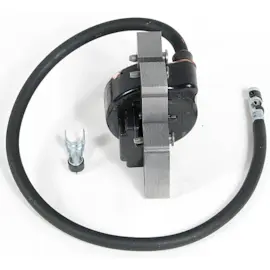
- Ignition parts (spark plug, ignition module, flywheel hardware)
- Cooling shrouds and baffles
If you are troubleshooting a no-start, a frequent electrical wear item is the starter solenoid; the model-compatible option on this page is the solenoid 532146154.
Quick “what does what” table
| System | What it does | Common symptoms when it fails |
|---|---|---|
| Fuel + carburetion | Delivers metered fuel to the engine | Hard starting, surging, stalls under load |
| Air intake/filtration | Keeps dirt out while letting air in | Black smoke, loss of power, rich running |
| Ignition/electrical | Creates spark at the right time | No spark, misfire, intermittent shutdown |
| Starting system | Cranks the engine to start | Click-no-crank, slow crank |
| Lubrication | Protects internal parts from wear | Knocking, overheating, rapid wear |
Why it matters
Knowing the engine systems helps you diagnose faster and order the right parts the first time. For example, “cranks but won’t start” points you toward fuel delivery or ignition, while “clicks but won’t crank” points you toward the battery cables, safety switches, or solenoid.
Last updated: February 2026