Owner’s manual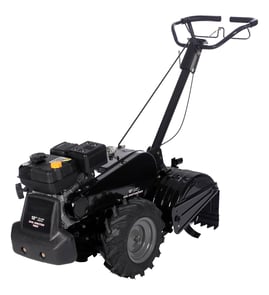



What is a troy bilt 12209 worth?
A Troy-Bilt 12209 rear-tine tiller is typically worth about $500 to $2,500 used, with the biggest price swings coming from running condition, tine and belt wear, transmission health, and whether it includes accessories (like wheel weights). For model-specific identification details and operating checks that affect value, use the owner's manual.
We see value track closely with how ready the tiller is to work today.
- Starts easily and runs smoothly (no fuel leaks, no heavy smoke)
- Tines and wheels pull strongly under load (no slipping or stopping)
- Belts and controls are in good shape (forward and reverse engage correctly)
- Transmission case is dry (no oil seepage around seals)
- Attachments included (for example, wheel weights or other accessories)
Use these checks to justify a higher price or negotiate a lower one.
- Verify the wheels are in the correct drive position and the machine has no missing hardware
- Inspect belts for cracks, fraying, glazing, or looseness
- Confirm reverse belt tension is correct (a loose belt can slow or stop tines and wheels)
- Check for oil around the transmission and axle areas (seal wear)
- Look at tine holders and tines for bending, heavy rounding, or missing hardware
These ranges fit most local-market sales for a rear-tine tiller like the Troy-Bilt 12209.
| Condition | What you should expect | Typical value |
|---|---|---|
| Needs work | Hard starting, belt slip, leaks, worn tines | $500 to $900 |
| Working | Starts, tills, normal wear, no major leaks | $900 to $1,600 |
| Refreshed | Recent service, strong drive, clean, ready to till | $1,600 to $2,500 |
A rear-tine tiller’s value is mostly in the drivetrain and tine system. If belts are loose or worn, the tiller can act “weak” even with a strong engine; if the transmission leaks or the tine holders are damaged, repairs can quickly outweigh a bargain price.
Last updated: February 2026
Are front tine or rear tine tillers better?
Rear-tine tillers are better for tougher jobs like breaking new ground, cutting into sod, and working hard or compacted soil; front-tine tillers are better for lighter work in already-loose garden beds. Since the Troybilt 12209 is a rear-tine tiller, it is built for stability and deeper, more controlled tilling when used correctly (see the owner's manual).
| Feature | Front-tine tiller | Rear-tine tiller (like Troybilt 12209) |
|---|---|---|
| Best for | Light cultivation, mixing compost, small gardens | New ground, sod, hard soil, larger gardens |
| Control and stability | More bounce in hard soil | More stable, tracks straighter |
| Effort required | More operator effort in tough soil | Wheels pull while tines dig |
| Maneuverability | Easier in tight spaces | Heavier, less nimble |
Choose a front-tine tiller when you mostly need:
- Shallow cultivation in soil that is already worked
- A lighter machine you can turn easily
- Occasional use in small plots
Choose a rear-tine tiller when you need:
- To break sod or unworked ground
- Better traction and straighter tracking
- Deeper tilling in fewer passes (with proper technique)
- A machine that lets the wheels pull the unit while the tines do the digging
With the 12209, we get the best results by letting the powered wheels pull the tiller while the tines dig. The manual also stresses:
- Avoid pushing down on the handlebars to force depth; it reduces wheel traction and can cause the tiller to “skip”
- Increase depth gradually (start shallow, then go deeper pass by pass)
- Keep clear of rotating tines; stop the tines and engine before clearing debris
For more rear-tine operating tips, we recommend tips for using a rear tine tiller.
Matching the tiller style to your soil and garden size saves time and reduces strain on the machine. A rear-tine tiller like the Troybilt 12209 is the right tool when traction, stability, and deeper tilling performance are the priority.
Last updated: February 2026
Are troy bilt tillers any good?
Yes. Troy-Bilt rear-tine tillers like model 12209 are built for rugged performance and are well-suited for breaking up tough soil and maintaining a garden over time. Good results come from using the right tilling depth, throttle setting, and maintenance routine outlined in the owner's manual.
A rear-tine tiller is doing its job when it pulls steadily, the tines dig without excessive bouncing, and the engine runs without laboring.
Common signs your 12209 is performing as designed:
- The wheels pull the tiller while the tines do the digging (you are guiding, not forcing it)
- You can dial in depth gradually instead of trying to reach full depth in one pass
- The engine runs at the slowest speed that still provides adequate power for the depth
- Soil breaks up without leaving large hard clumps (avoid tilling wet soil)
We recommend these operating habits because they directly affect tilling quality and drivetrain life:
- Start shallow; increase depth over multiple passes
- Use a throttle setting that prevents the engine from laboring
- Walk on the untilled side to avoid compacting freshly tilled soil
- Avoid tilling wet soil; wait a day or two if the ground is saturated
- On slopes, till up and down (not across) and check engine oil level about every 30 minutes
If performance drops, it is usually setup, wear, or a belt issue.
| Symptom | Common cause | What to check first |
|---|---|---|
| Poor tilling | Worn tines or depth set wrong | Depth stake setting; tine condition |
| Engine bogs down | Too deep, too fast | Reduce depth; adjust throttle |
| Wheels turn but tines do not | Drive/belt or mounting hardware issue | Belt tension; tine holder hardware |
If you suspect belt slip, a common wear item is the troy-bilt drive belt 954-04091.
Rear-tine tillers are designed to do heavy soil work, but they rely on correct depth control and proper belt tension. Using the right technique reduces soil compaction, improves seedbed quality, and prevents premature wear on belts, pulleys, and transmission components.
Last updated: February 2026
How to identify old troy bilt tiller?
To identify an older Troy-Bilt tiller, we match the model and serial number to the correct parts and manual. On Troy-Bilt rear-tine tillers like model 12209 (5.5 HP Bronco), the model/serial tag location varies by production era, so checking a few common spots is the fastest way to confirm what you have.
Check these locations in order; clean dirt and oil off the area so the numbers are readable.
- Tine hood area (often on or near the tine shield/hood)
- Handlebar support area (near the handlebars or control panel)
- Transmission housing (some older units have identifying numbers cast or stamped into the housing)
- Frame rails near the engine mount
- Engine label (engine model is helpful, but the tiller model is what you need for parts)
For model 12209, our owner's manual covers multiple models (including 12209) and helps you confirm you are looking at the correct control layout (forward clutch bail, reverse clutch control, depth regulator, tine hood flap).
Use this checklist to confirm you have the right Troy-Bilt tiller family and configuration.
- Rear-tine layout (tines behind the wheels)
- Presence of a reverse clutch control (common on 12209/12210 in the manual)
- Depth regulator and tine hood flap match the manual illustrations
- Belt-driven forward drive system (common on this series)
| What you find | What it tells us | How we use it |
|---|---|---|
| Tiller model number (example: 12209) | Exact tiller configuration | Ensures correct parts diagrams and parts fit |
| Tiller serial number | Production run details | Helps confirm revisions within a model |
| Engine model/type code | Engine-specific parts | Used only for engine parts, not tiller chassis parts |
Troy-Bilt used similar-looking tillers across multiple years. Confirming the tiller model and serial prevents ordering the wrong drive belt, hardware, or transmission parts.
If your tiller is confirmed as model 12209 and you are troubleshooting drive issues, a common wear item is the drive belt; see how to replace a tiller drive belt for the basic process and safety steps.
Last updated: February 2026