Owner’s manual
 View engine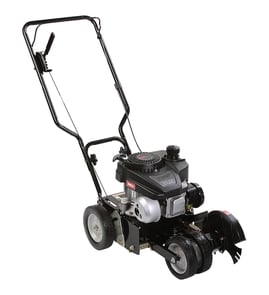


What engine is on a Craftsman edger?
For the Craftsman lawn edger model 247762660, the exact engine make and model is listed on the engine ID label and in the 247762660 owner's manual. Many Craftsman walk-behind edgers in this class use a small 4-cycle gasoline engine (often around 140cc), but you should match parts by the engine numbers on your unit.
How to identify the engine on your 247762660
Use the engine’s identification tag, not the edger model number, when you need engine parts (carburetor, air filter, spark plug, recoil starter).
- Look on the engine shroud, valve cover area, or near the muffler for an ID sticker or stamped plate
- Record engine brand (commonly Briggs & Stratton or similar)
- Record model / type / code (or model / spec / serial, depending on brand)
- Compare those numbers to the engine section in the manual
- Use the engine numbers when ordering tune-up and fuel-system parts
Quick reference: where the info is used
| What you’re doing | Use the edger model 247762660 | Use the engine ID numbers |
|---|---|---|
| Finding chassis parts (guards, handles, wheels) | Yes | No |
| Finding engine parts (carb, ignition, gaskets) | No | Yes |
| Looking up operating specs and maintenance intervals | Yes | Sometimes |
Why it matters
Craftsman edgers can share the same edger model family while using different engine variants over time. Using the engine ID numbers prevents ordering the wrong ignition or fuel parts and helps you get the correct maintenance items for your specific engine.
Last updated: February 2026
How often should you replace an edger blade?
On the Craftsman 247762660 lawn edger, replace the edger blade when it is noticeably worn down, chipped, bent, or no longer cuts a clean edge even after sharpening. As a practical rule, many 9-inch edger blades are replaced after roughly 3 miles of edging (or when worn to about 7-1/4 inches).
Quick signs it is time to replace the blade
- The edger bounces, chatters, or vibrates more than normal
- The edge looks ragged and you have to make repeated passes
- The blade is rounded over and will not hold an edge after sharpening
- You see cracks, missing chunks, or a bent blade
- The blade diameter is visibly smaller than when new
Replace vs. sharpen: what we recommend
Sharpening is fine for normal dulling, but replacement is the right call when the blade is damaged or too worn to cut efficiently.
| Condition | Best action | Why |
|---|---|---|
| Dull but not damaged | Sharpen | Restores cutting without changing parts |
| Small nicks | Light sharpen | Removes burrs and improves cut |
| Bent, cracked, or heavily chipped | Replace | Prevents vibration and unsafe operation |
| Worn down significantly | Replace | Maintains proper cutting depth and performance |
How to confirm the correct replacement part
Use the diagram and part listing for your Craftsman 247762660 to match the blade by shape, center hole pattern, and diameter. The 247762660 owner’s manual also shows the blade area and basic maintenance guidance.
Helpful tip when reinstalling
- Disconnect the spark plug wire before servicing
- Clean packed dirt from the guard area so the blade seats flat
- Tighten hardware securely and recheck after the first few minutes of use
Why it matters
A worn edger blade makes the engine work harder, increases vibration, and leaves a messy edge. Replacing the blade at the right time keeps edging faster, cleaner, and easier on belts, pulleys, and bearings.
Last updated: February 2026
How to replace the blade on an edger?
To replace the blade on your Craftsman 247762660 lawn edger, disconnect the spark plug wire, lock the blade from turning, then remove the blade nut and washer and install the new blade in the same orientation. Many edgers use a reverse-thread blade nut, so loosening direction can be opposite of normal.
Safety first
- Shut the engine off and let it cool completely.
- Disconnect the spark plug wire to prevent accidental starting.
- Wear heavy gloves; the blade edge can cut even when dull.
- Block the blade with a wood scrap so it cannot rotate.
Blade replacement steps (typical for Craftsman edgers)
- Tip the edger as shown in the 247762660 owner's manual (keep the air filter and carburetor side up when applicable).
- Hold the blade from turning (wood block against the blade and guard works well).
- Remove the blade nut and washer.
- Slide the old blade off the spindle.
- Install the new blade with the cutting edge facing the same direction as the original.
- Reinstall the washer and nut; tighten securely.
- Reconnect the spark plug wire and test run.
Reverse-thread nut quick check
Many Craftsman and MTD-built edgers use a reverse-thread (left-hand) blade nut.
| What you see | What it usually means | What to do |
|---|---|---|
| Nut loosens when turned clockwise | Reverse-thread nut | Turn clockwise to loosen, counterclockwise to tighten |
| Nut loosens when turned counterclockwise | Standard thread | Turn counterclockwise to loosen, clockwise to tighten |
While you are there: parts worth inspecting
- Blade guard for cracks or missing hardware (example: edger blade guard 731P05064)
- Belt guard for damage or rubbing
- Depth control hardware for looseness
- Spindle area for wrapped grass and debris
Why it matters
A correctly installed, tight blade cuts cleaner, reduces vibration, and helps protect the spindle, pulleys, and guards from impact damage.
Last updated: February 2026
How to find Craftsman parts?
To find the right Craftsman parts for your lawn edger model 247762660, we match parts to your exact model number and then use the parts diagram to identify the correct component (and the correct hardware) before you order.
Step-by-step: find the exact part you need
- Confirm the model number is 247762660 on the edger’s model tag.
- Use the exploded views and parts lists in the 247762660 owner’s manual to identify the assembly and item.
- Match the part by description and part number (for example, 747-04110A), not by looks alone.
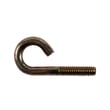
- If you are replacing fasteners, match the original style (flange nut, guide bolt, screw) to avoid fit issues.
- Order the part and compare it to the old one before installation (mounting holes, length, thread size).
Common parts customers look up on this model
These are examples of parts listed for Craftsman 247762660 that people often need when repairing or tightening up the edger:
| What it affects | Example part name | Example part number |
|---|---|---|
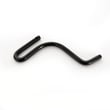
| Blade depth/adjustment | Edger blade adjuster rod | 747-04110A |
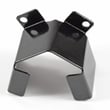
| Belt and pulley safety coverage | Edger belt guard | 781-0427-0637 |
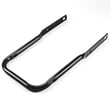
| Operator control and comfort | Edger lower handle | 749-04234 |
| Debris protection | Edger blade guard | 731-05064 |
Tips to avoid ordering the wrong part
- Use the model-specific diagram callouts; similar Craftsman and MTD-built edgers can use different hardware.
- Replace worn hardware in sets when needed (nut plus bolt) so threads seat correctly.
- If the edger vibrates, inspect the blade area and guards first; loose fasteners are a common cause.
- Keep your old part until the repair is complete in case you need to compare measurements.
Why it matters
Craftsman edger parts are model-specific; using the correct 247762660 diagram and part numbers prevents fit problems, reduces downtime, and helps the edger run safely with proper guarding and secure fasteners.
Last updated: February 2026
What size blade is a Craftsman 247762660 edger?
For the Craftsman 247762660 lawn edger, the blade size is typically 9 inches (measured by blade diameter). For the exact blade specification and the correct replacement part callout for your serial range, match the blade details in the 247762660 owner's manual.
How to confirm the blade size on your edger
We recommend verifying the blade size two ways so you order the right cutting blade and hardware.
- Measure the blade diameter across the widest point (edge to edge) with the engine off and spark plug wire disconnected
- Check the blade description and diagram callouts in the 247762660 owner's manual
- Compare your blade mounting pattern (center hole and any additional holes) before buying
- Inspect the blade guard and belt guard area for clearance; a larger blade can rub and damage guards
What “9-inch blade” means
A 9-inch edger blade refers to the outside diameter of the steel cutting blade. Many Craftsman edgers in this model family use a dual-tip style blade, but the key fit factors are diameter and mounting pattern.
| Spec to match | What to look for | Why it matters |
|---|---|---|
| Blade diameter | 9 in (typical) | Affects cut width and guard clearance |
| Mounting pattern | Center hole size and any locator holes | Prevents wobble and unsafe operation |
| Blade thickness | Similar to original | Helps reduce vibration and premature wear |
Related parts you may need when servicing the blade
If you are removing the blade for replacement, common fasteners and guards often get damaged or go missing during service.
- Edger blade guard 731P05064 (helps shield debris near the blade area)
- Hex flange nuts and bolts (match what is installed on your unit)
- Belt guard and depth control hardware (inspect for cracks or rubbing)
Why it matters
Using the correct blade size on the Craftsman 247762660 helps prevent vibration, uneven edging, and contact with the guard or belt guard. Correct fit also protects the spindle and bearing surfaces from shock loads.
Last updated: February 2026