






Should I use 40 1 or 50 1 fuel for a chainsaw?
For the Craftsman 358350440 gas chainsaw, we use the fuel mix ratio specified for the engine; in practice, 50:1 is the most common target for modern 2-cycle saws, while 40:1 adds more oil for extra lubrication. If you are unsure, run 50:1 with quality 2-cycle oil and keep the fuel system in top shape.
- Use fresh, ethanol-free gas when possible.
- Mix with air-cooled 2-cycle oil (not marine TC-W3 oil).
- If you cut hard wood, run long sessions, or operate in heat, 40:1 can provide extra lubrication.
- If the saw smokes heavily, loads up at idle, or fouls plugs, move toward 50:1.
- If the saw surges, runs lean, or won’t stay running, check for air leaks and fuel delivery issues before changing ratios.
| Mix ratio | Oil per 1 gallon gas | What you’ll typically notice | Best use case |
|---|---|---|---|
| 40:1 | 3.2 oz | More lubrication, more smoke and deposits | Older saws, heavy cutting, extra safety margin |
| 50:1 | 2.6 oz | Cleaner running, less smoke | Most modern saws, everyday use |
A mix ratio change will not fix a cracked fuel line, weak primer, or carburetor diaphragm problem. On the 358350440, these parts are common culprits:
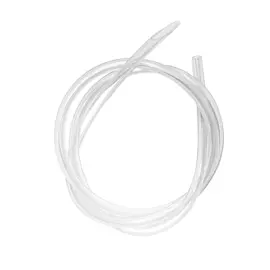
- Ayp lawn & garden equipment fuel line, large 530069216 (cracks or leaks cause lean running)
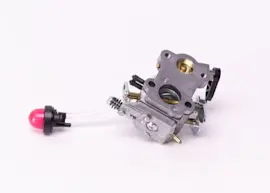
- Primer bulb 530071835 (won’t prime or pulls air)
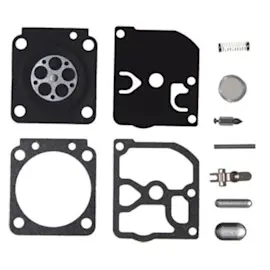
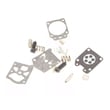
- Carburetor kit 545081885 (hard starting, won’t idle, bogging)
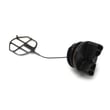
- Fuel tank cap 580940901 (venting issues can starve fuel)
Running too little oil can score the piston and cylinder (engine damage). Running too much oil can foul the spark plug, gum the muffler screen, and make the saw sluggish. The right ratio protects the engine and keeps the carburetor tune stable.
Last updated: February 2026
What model number is a Craftsman 16 36cc chainsaw?
A “Craftsman 16-inch 36cc” description does not map to one single model number; Craftsman made multiple 16-inch, 36cc gas chainsaws. If the data tag on your saw reads 358350440, then the correct model number is 358350440, and you should match parts to that exact number.
Look for the model tag or stamp on the saw and copy the full number exactly.
Common locations on Craftsman gas chainsaws include:
- Recoil starter housing (starter cover area)
- Rear handle area near the throttle trigger
- Chassis near the fuel tank or oil tank
- Bar mount or clutch cover area (less common)
Use the model number as the primary identifier; bar length and engine size are not enough to guarantee parts fit.
Parts that frequently differ between similar 36cc saws include:
- Fuel line size and routing
- Primer bulb style
- Carburetor and gasket pattern
- Clutch and clutch drum design
- Bar adjuster hardware
If your tag shows 358350440, these are common repair parts for that model:
| Repair area | Common symptom | Example part for 358350440 |
|---|---|---|
| Fuel delivery | Hard starting, stalls | Ayp lawn & garden equipment fuel line, large 530069216 |
| Priming | Primer cracked, will not fill | Primer bulb 530071835 |
| Chain oiling | Chain runs dry, bar overheats | Chainsaw oil pump 530071259 |
Using the exact model number prevents ordering parts that look similar but mount differently, which helps avoid fuel leaks, poor starting, and chain lubrication problems.
Last updated: February 2026
What is the average lifespan of 358350440?
A Craftsman gas chainsaw like model 358350440 typically lasts 10 to 15 years with normal homeowner use and routine maintenance. Lifespan depends most on fuel quality, bar and chain lubrication, air filtration, and how quickly worn fuel-system parts are replaced.
- Fuel care: fresh, properly mixed fuel and avoiding long-term storage with fuel in the tank
- Lubrication: consistent bar and chain oiling to prevent overheating and rapid wear
- Air filtration: keeping the air filter clean so the engine does not run rich and foul
- Cooling: clearing debris from cooling fins and the recoil cover area
- Fuel-system condition: replacing cracked lines, a restricted filter, or a leaking cap
| Task | Typical interval | What it prevents |
|---|---|---|
| Check bar oiling and chain tension | Every use | Bar and chain damage, clutch overheating |
| Clean air filter and cooling areas | Every few tanks | Hard starting, power loss |
| Inspect fuel lines and primer bulb | Monthly during season | Air leaks, no-start, stalling |
| Replace in-tank fuel filter | Yearly or when restricted | Lean running, bogging |
If the saw starts, then dies, will not prime, or runs only with choke, the fuel system is usually the first place to look. These model-compatible parts are common fixes:
- Ayp lawn & garden equipment fuel line, large 530069216 (cracking or air leaks)
- Craftsman lawn & garden equipment engine fuel filter 530095646 (restriction)
- Fuel tank cap 580940901 (venting issues that can starve fuel)
- Primer bulb 530071835 (won’t draw fuel)
A two-stroke chainsaw engine relies on correct fuel delivery and lubrication for cooling. When fuel lines leak or the fuel filter plugs, the engine can run lean and hot; that accelerates wear and shortens the service life.
Last updated: March 2026