
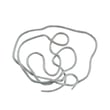
Can I use .095 trimmer line?
Yes, you can use .095-inch trimmer line on many gas line trimmers, including Craftsman model 316796150, as long as the cutting head is rated for that diameter; if the head is designed for thinner line, .095 can cause poor feed, bogging, or clutch wear.
Quick fit check (what to verify)
- Trimmer head rating: the head or spool typically lists a max line diameter
- Feed style: bump-feed heads usually tolerate thicker line better than fixed-line heads
- Engine power: thicker line adds load; a small engine may run rough or stall
- Line shape: round line feeds easiest; twisted or square line can bind in some heads
- Spool capacity: .095 takes more space, so you may need shorter wind length
What changes when you step up to .095 line
| What you may notice | Why it happens | What to do |
|---|---|---|
| Better durability in heavy weeds | More material, higher abrasion resistance | Use for thick grass and edging cleanup |
| Slower line feed or jams | Line is stiffer and can bind | Wind evenly and avoid overfilling the spool |
| Engine bogs or runs rough | Increased cutting load | Reduce throttle load, shorten line length, or drop to a thinner diameter |
| More vibration | Heavier line and uneven winding | Rewind carefully; replace worn head parts if needed |
Best practices for reliable feeding
- Wind the line tight and even in the correct direction.
- Do not pack the spool full; leave a little room so the line can expand.
- Keep the cutting line at the correct length; an overlong line overloads the clutch.
- If performance drops after switching line sizes, do a basic tune-up (air filter, spark plug, fresh fuel mix).
Why it matters
Using the correct line diameter helps your Craftsman 316796150 cut cleanly without overloading the clutch, drive shaft, or engine. The right match also prevents constant bump-feed issues and premature trimmer head wear.
For more troubleshooting steps if the engine bogs or the cut quality changes after switching line, use our solving common problems with line trimmer cutting lines guide.
Last updated: February 2026
How do I know what trimmer line to buy?
For your Craftsman 316796150 gas line trimmer, choose trimmer line mainly by diameter and shape: thinner line cuts grass efficiently with less load on the engine, while thicker line lasts longer in weeds but can reduce RPM and increase fuel use.
Quick size guide (diameter)
Use this as a practical starting point, then adjust based on what you cut most often.
- 0.065 in (1.7 mm): Light grass, small edging jobs; best for lighter-duty trimming
- 0.080 in (2.0 mm): Best all-around choice for most residential trimming
- 0.095 in (2.4 mm) and up: Heavy weeds and thicker growth; more durable but harder on the trimmer
| What you’re cutting | Best starting diameter | What you’ll notice |
|---|---|---|
| Regular lawn grass | 0.080 in | Smooth cutting, good runtime |
| Mixed grass and weeds | 0.080 to 0.095 in | Better durability, slightly more drag |
| Dense weeds, tough stems | 0.095 in+ | Fewer breaks, more engine load |
Pick the right line shape
Line shape affects cutting aggressiveness and durability.
- Round: Most common; durable and quieter
- Twisted: Quieter, good for general trimming
- Square or star: More aggressive cutting; can wear faster and be noisier
Fit and performance checks (before you buy)
These checks prevent feed problems and poor cutting.
- Match the line to your trimmer head capacity; too thick can jam or stop feeding
- If the engine bogs down at full throttle, step down one size
- If line breaks constantly, step up one size or switch to round line
- Use fresh, quality line; brittle line snaps and feeds poorly
- Wind the spool evenly and do not overfill it
Why it matters
Using the right diameter and shape helps your Craftsman 316796150 maintain RPM, improves cut quality, reduces vibration, and prevents common issues like line not feeding or frequent line breakage.
For more help diagnosing cutting and line-feed issues, use our DIY guide: solving common problems with line trimmer cutting lines.
Last updated: February 2026
How to replace line on Craftsman gas trimmer?
On the Craftsman 316796150 gas line trimmer, you replace the cutting line by opening the trimmer head, winding new line evenly onto the spool (no overlaps), then feeding the ends through the eyelets and reassembling the head so the line can advance smoothly.
Before you start
- Shut the engine off and let it cool completely.
- Disconnect the spark plug wire to prevent accidental starting.
- Wear gloves and eye protection.
- Clean grass and debris off the trimmer head so the spool seats correctly.
How to reload the trimmer line (typical bump-head steps)
- Remove the bump knob or head cover (usually twists off or releases with tabs).
- Lift out the spool and note how the line routes through the eyelets.
- Cut two equal lengths of trimmer line (most heads use two lines).
- Anchor each line end in the spool slots/holes, then wind in the direction shown on the spool.
- Wind tightly and evenly; do not overlap the line layers.
- Feed each line end through the eyelets, set the spool back into the head, and reinstall the cover/knob.
- Pull both line ends to confirm they move freely and are the same length.
Line size and length guidelines
Exact line diameter varies by head, but most gas trimmers commonly use 0.080 in to 0.095 in line.
| What you’re choosing | Typical range | What happens if it’s wrong |
|---|---|---|
| Line diameter | 0.080 in to 0.095 in | Too thick can jam; too thin breaks quickly |
| Winding style | Tight, even layers | Overlaps cause tangles and poor feed |
| Line length per side | Enough to fill spool without bulging | Overfilling prevents the head from closing |
Why it matters
Even, non-overlapping wraps reduce tangles inside the spool, which helps the bump-feed mechanism advance line consistently and prevents sudden line breaks or a head that will not feed.
If the line still will not feed
- Make sure you wound in the correct direction.
- Rewind with less line; overfilled spools bind.
- Inspect the eyelets for wear or melted plastic.
- Check for a weak or broken head spring (common cause of poor bump-feed).
For more step-by-step visuals and model-agnostic procedures, use our line trimmer repair guides landing page.
Last updated: February 2026
What's the difference between a whipper, snipper, and a line trimmer?
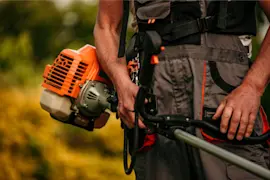
A whipper snipper and a line trimmer are the same tool; the name changes by region. For your Craftsman 316796150 gas line trimmer, you are dealing with a standard string-trimmer style machine meant for edging and trimming grass and light weeds, not heavy brush cutting.
What each name usually means
- Line trimmer: Common U.S. term for a string trimmer that uses nylon line to cut.
- Whipper snipper: Common term in Australia and some other regions for the same tool.
- Snipper: Informal shorthand for a line trimmer or whipper snipper.
- Weed eater: Popular nickname (often used generically) for a line trimmer.
- Brush cutter (different tool): Typically uses a metal blade and is built for thicker weeds, saplings, and brush.
Quick comparison
| Term you hear | What it typically refers to | Best for | Not ideal for |
|---|---|---|---|
| Line trimmer | String trimmer with nylon line | Edging, trimming around fences/trees | Thick brush, woody stems |
| Whipper snipper | Same as line trimmer | Same jobs as above | Same limits as above |
| Snipper | Same as line trimmer (slang) | Quick touch-ups | Heavy clearing |
| Brush cutter | Heavier-duty cutter (often blade-capable) | Dense weeds, brush | Fine edging work |
Why it matters
Using the right tool name helps you pick the right repair steps and maintenance routine. A line trimmer like the Craftsman 316796150 is usually serviced with tune-up, fuel-system, and cutting-line checks rather than blade and gearbox service.
Helpful next steps for common trimmer questions
- If it won’t start, follow the checks in lint trimmer won't start.
- If it runs rough, use line trimmer runs rough to narrow down fuel, spark, and air issues.
- For routine upkeep, use the grass line trimmer maintenance checklist.
- For seasonal service, follow how to tune up a grass line trimmer video.
Last updated: February 2026
Which is better, .080 or .095 trimmer line?
Neither is universally “better”; the better choice for your Craftsman line trimmer model 316796150 is the diameter your trimmer head and spool are designed to feed. In general, .080-inch line cuts with less load and feeds easily, while .095-inch line lasts longer in heavier weeds.
How to choose the right diameter
Use these practical checks to pick the correct trimmer line size:
- Look for the line diameter molded or printed on the trimmer head, spool, or guard label.
- Match the diameter to the spool capacity; too-thick line binds and won’t advance.
- If you mostly trim grass and light edging, start with .080.
- If you regularly hit thicker weeds or fence lines, step up to .095 if your head allows it.
- If the line keeps welding or jamming, drop to the recommended size and rewind neatly.
.080 vs .095 at a glance
| Line size | Best for | Typical benefits | Common downside |
|---|---|---|---|
| .080 in. | Grass, light edging | Easier starting, smoother feed | Breaks faster in heavy weeds |
| .095 in. | Weeds, thicker growth | More durability, longer runtime per reload | More drag; can bog down smaller engines |
If your line won’t feed or keeps breaking
These fixes usually improve performance more than changing diameter:
- Wind the line evenly and do not overfill the spool.
- Clean packed grass and melted line from the head.
- Tap the bump knob on the ground lightly while the head is spinning.
- Replace worn spool, eyelets, or bump knob if the line frays or sticks.
Why it matters
Using the diameter your head is built for prevents feed problems, reduces engine strain, and gives cleaner cutting with less wasted line.
For line-feed troubleshooting and cutting performance tips, use solving common problems with line trimmer cutting lines.
Last updated: February 2026