Owner’s manual
 Error Codes




Are all 30 inch wall ovens the same size?
No. “30-inch” wall ovens are grouped by a nominal width, but the exact outside dimensions and the cabinet cutout size vary by brand and model. For the Kenmore 79030474400 gas wall oven, use the cutout and clearance specs in the 79030474400 owner's manual before ordering a replacement oven.
What “30-inch” usually means
Most 30-inch wall ovens are designed to fit a 30-inch class opening, but manufacturers can differ slightly in:
- Overall width (frame and trim)
- Required cutout width
- Cutout height (single vs. double oven)
- Depth behind the cabinet face (including gas and electrical connections)
- Trim overlap (how much the oven covers the cabinet edges)
How to measure for a replacement
Measure the cabinet opening, not the old oven’s front trim.
- Cutout width: inside edge to inside edge
- Cutout height: top to bottom of the opening
- Cutout depth: front cabinet face to the back wall
- Clearances: space needed for airflow and safe operation
- Utilities: confirm gas line and electrical junction location will not interfere
Quick comparison: “30-inch class” vs exact fit
| Item to compare | “30-inch class” expectation | What you must match |
|---|---|---|
| Width | Around 30 inches | Cutout width and trim overlap |
| Height | Varies a lot | Exact cutout height for your configuration |
| Depth | Often similar | Depth plus room for gas and wiring |
| Mounting | Brackets required | Correct bracket locations and cabinet support |
Why it matters
A small difference in cutout size can prevent the oven from sliding in, leave gaps around the trim, or create installation and ventilation problems. Your manual also notes the oven must be secured with properly installed mounting brackets for safe installation.
Last updated: January 2026
What is a standard size for a wall oven?
Most single wall ovens, including the Kenmore 79030474400 gas wall oven, are built to fit standard cabinet cutouts: 24, 27, or 30 inches wide, with a typical cutout height around 27 to 29 inches and depth around 22 to 24 inches. Confirm your exact cutout requirements in the 79030474400 owner's manual.
Common “standard” wall oven sizes
Wall ovens are standardized mainly by width, while cabinet cutout height and depth stay in a fairly tight range.
- 24-inch: common in smaller kitchens and condos
- 27-inch: common mid-size built-in option
- 30-inch: most common “full-size” single wall oven width
- Cutout height: typically 27 to 29 inches for single ovens
- Cutout depth: typically 22 to 24 inches
What to measure before you buy or replace
Measure the cabinet opening, not the oven door.
- Cutout width (side-to-side inside the cabinet opening)
- Cutout height (top-to-bottom inside the opening)
- Cutout depth (front frame to back wall)
- Front trim overlap (how much the oven face covers the cabinet edges)
- Gas and electrical access (location and clearance)
Quick reference table (typical single wall oven ranges)
| Measurement | Typical range | What it affects |
|---|---|---|
| Width | 24, 27, or 30 in. | Which cabinet opening it fits |
| Cutout height | 27 to 29 in. | Whether the chassis clears the opening |
| Cutout depth | 22 to 24 in. | Whether the oven sits flush |
Why it matters
A wall oven can look “standard” from the front but still fail to fit if the cabinet cutout is off by even a small amount. Getting the cutout dimensions right helps prevent installation problems and protects the oven from poor airflow or improper mounting.
Last updated: January 2026
Is an electric wall oven better than a gas wall oven?
For most home cooking, an electric wall oven is better for even, consistent baking temperatures, while a gas wall oven like Kenmore 79030474400 is often preferred for faster preheat and strong broiling. The “better” choice depends on whether you prioritize baking precision or gas performance and operating cost.
Key differences that matter day to day
- Temperature consistency: Electric heat is typically steadier for baking and roasting.
- Preheat and broil performance: Gas models often preheat quickly and deliver strong broil heat.
- Moisture in the oven cavity: Gas combustion adds moisture, which can affect crisping and browning.
- Utility hookup: Electric needs the correct electrical circuit; gas needs a proper gas supply connection and shut-off valve.
- Cooling airflow: Many wall ovens use a blower to keep internal components cooler; it may run during baking or self-clean and continue after shutoff.
Quick comparison
| Feature | Electric wall oven | Gas wall oven (like 79030474400) |
|---|---|---|
| Best at | Baking accuracy, even browning | Fast heat response, broiling |
| Typical feel | “Set it and forget it” temps | More responsive flame heat |
| What to watch | Circuit capacity, wiring | Ignition, gas supply, ventilation |
What we recommend for Kenmore 79030474400 owners
Use your oven’s features and setup guidelines to get the best results from gas cooking:
- Confirm the oven is properly connected to the gas supply and the gas shut-off valve is open.
- Keep the oven vent area clear so warm air can exhaust properly.
- For broiling, keep the door closed and adjust rack position to reduce smoking.
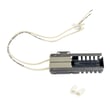
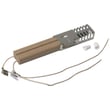
- If the oven will not ignite or heats poorly, a common fix is replacing the igniter: frigidaire range oven burner igniter 5303935066.
- For control settings, venting, and operating tips specific to this model, follow the Kenmore 79030474400 owner’s manual.
Why it matters
Choosing gas vs. electric affects cooking results (especially baking consistency), installation requirements (gas line vs. electrical circuit), and which parts are most likely to need service over time (ignition components vs. heating elements).
Last updated: January 2026
How much does a 27 inch wall oven weigh?
A 27-inch wall oven typically weighs about 120 to 180 lb, depending on whether it’s gas or electric and how much insulation and trim is built in. For your Kenmore 79030474400 gas wall oven, confirm the exact shipping or installed weight in the 79030474400 use and care guide.
Typical weight ranges (what to expect)
Most 27-inch wall ovens fall into these ranges:
- Single electric wall oven: ~120 to 170 lb
- Single gas wall oven: ~130 to 190 lb
- Double wall oven (27-inch): ~200 to 300 lb
- Older, heavier builds: can run higher due to thicker steel and insulation
Why weight matters for installation
Weight affects how you plan the move and how the cabinet supports the oven.
- Helps you choose the right number of people to lift and position the oven
- Helps prevent cabinet damage (sagging rails, cracked face frame)
- Helps you plan safe handling through doorways and tight turns
- Helps you decide whether to use a lifting strap, dolly, or oven cart
Quick planning guide
| Situation | What we recommend |
|---|---|
| Moving the oven out of the wall | Use 2 people minimum; 3 is safer for stairs or tight spaces |
| Protecting the cabinet and floor | Use a sturdy support surface and padding before sliding the oven out |
| Unsure of exact weight | Check the model documentation and compare to typical ranges above |
Related parts that can add handling steps
If you’re pulling the oven for service, you may also be dealing with parts that commonly get replaced during a no-heat or ignition issue:
- Frigidaire range oven burner igniter 5303935066 (common no-heat symptom when weak)
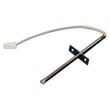
- Frigidaire range oven temperature sensor 316217002 (can cause temperature problems)
- Wall oven gas valve 5303210798 (gas flow control; service often requires oven removal)
Why it matters
Knowing the approximate weight up front helps you plan a safe removal and reinstall, which reduces the risk of injury and prevents damage to the oven door, trim, and cabinet cutout.
Last updated: January 2026