Owner’s manual
 Error Codes




Do you remove cardboard from the bottom of a Whirlpool refrigerator?
No. On Whirlpool refrigerator model GB2FHDXWQ08, the cardboard-like panel at the bottom (typically at the rear near the floor) is a protective air-flow cover for the condenser area and should stay in place during normal use. Use the GB2FHDXWQ08 owner's manual for the correct access and cleaning instructions.
What that bottom cardboard panel does
That panel is there to help the refrigerator run efficiently and protect components.
- Directs airflow across the condenser coils
- Helps keep dust and debris away from wiring and moving parts
- Reduces the chance of accidental contact with the condenser fan area
- Helps maintain proper cooling performance and energy use
When it is OK to remove it
We remove that panel only for service tasks, then reinstall it exactly as it was.
- Cleaning the condenser area (if your manual calls for access)
- Inspecting the condenser fan for noise or blockage
- Checking for signs of overheating (burnt smell, heavy dust buildup)
Always unplug the refrigerator before removing any access panel.
Quick check: cardboard packaging vs. installed panel
| What you see | Where it is | What to do |
|---|---|---|
| Loose cardboard, tape, foam blocks | Inside the fresh food or freezer compartments | Remove and discard (packaging) |
| Flat panel attached with screws/clips | Bottom rear of the cabinet | Leave installed; reinstall after service |
Why it matters
If that bottom cover is removed and left off, airflow can be disrupted. That can make the compressor and condenser run hotter, increase run time, and lead to warmer temperatures in the refrigerator or freezer.
Last updated: February 2026
What's the average lifespan of a Whirlpool refrigerator?
Most Whirlpool refrigerators last 10 to 15 years on average. For your Whirlpool GB2FHDXWQ08 bottom-mount refrigerator, consistent cleaning, good airflow around the cabinet, and quick repairs when symptoms start are the most reliable ways to reach the high end of that range; see the owner's manual for model-specific care guidance.
Typical lifespan and what changes it
A refrigerator’s life is mostly driven by compressor run time, heat removal at the condenser, and how well the doors seal.
- 10 to 15 years is the normal expectation for a Whirlpool refrigerator
- Heavy use, hot kitchens, and poor ventilation shorten life
- Dirty condenser coils and weak door gaskets increase run time
- Defrost and fan issues can cause warm temps and icing that strain the system
- Fixing small problems early often prevents expensive sealed-system damage
Quick checklist to help your GB2FHDXWQ08 last longer
- Keep condenser area clean and unobstructed (especially near the rear/bottom)
- Confirm doors close fully and seal all the way around
- Set stable temps (avoid frequent adjustments)
- Don’t overpack; leave space for airflow in both compartments
- Address unusual noises, warming, or frost buildup promptly
Common wear items vs. “big ticket” components
| Item type | What you may notice first | Example part for this model |
|---|---|---|
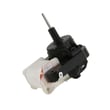
| Airflow/temperature control | Warm fridge, noisy fan, uneven temps | Refrigerator evaporator fan motor WPW10128551 |
| Defrost system | Frost wall in freezer, weak cooling | Refrigerator defrost heater WP12729128 |
| Door sealing | Moisture, sweating, longer run times | Refrigerator door gasket (white) W10443313 |
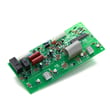
| Controls/electronics | Erratic temps, not running correctly | Refrigerator electronic control board WPW10503278 |
Why it matters
A refrigerator that runs longer to hold temperature uses more energy and wears out key components faster. Basic maintenance and early troubleshooting protect cooling performance and help you avoid premature compressor and control failures.
Last updated: February 2026
What is the most common problem with Whirlpool refrigerators?
The most common Whirlpool refrigerator problem is a cooling issue (warm fridge, soft ice, or temperature swings) caused by restricted airflow or a failed fan. On Whirlpool model GB2FHDXWQ08, we most often trace “not cooling right” symptoms to dirty condenser coils, an evaporator fan problem, or a defrost system issue; see the owner's manual for model-specific checks.
Most common symptoms you’ll notice
- Fresh food section warms up but freezer seems OK
- Freezer gets too warm and ice production drops
- Frost builds up on the back wall of the freezer
- Loud humming, rattling, or a fan noise that comes and goes
- Water pooling inside the refrigerator or under the unit
What usually causes it (and what to check first)
- Airflow restriction: Make sure vents are not blocked by food packages.
- Dirty condenser coils: Clean coils and the area around the condenser fan; poor heat release reduces cooling.
- Evaporator fan issue: If the freezer is cold but the fridge is warm, the evaporator fan may not be moving air.
- Defrost system problem: Heavy frost points to a defrost heater or defrost thermostat issue.
- Door seal leak: A warped or torn gasket lets humid air in, creating frost and temperature swings.
Parts that commonly relate to these problems on GB2FHDXWQ08
| Problem area | What it affects | Example part for this model |
|---|---|---|
| Evaporator airflow | Moves cold air from freezer to fridge | Refrigerator evaporator fan motor WPW10128551 |
| Defrost system | Prevents frost from blocking airflow | Refrigerator defrost heater WP12729128 |
| Temperature/control behavior | Cycling, defrost timing, fan control | Refrigerator electronic control board WPW10503278 |
| Water/ice supply | Ice maker fill and dispenser flow | Refrigerator water inlet valve WPW10498976 |
Why it matters
Cooling problems usually start small (longer run times, soft ice) and then turn into food-safety issues. Fixing airflow, cleaning coils, and addressing fan or defrost faults early helps the compressor avoid overwork.
Helpful DIY guidance
- Use how to fix your evaporator cooling fan when you hear fan noise changes or the fridge is warm but the freezer is cold.
- Use Whirlpool refrigerator error codes if your control panel shows an error or the unit behaves erratically.
Last updated: February 2026
How do I remove the base grille on my Whirlpool refrigerator?
To remove the base grille on your Whirlpool GB2FHDXWQ08 bottom-mount refrigerator, grasp the grille at the ends and pull it straight forward to release the retaining clips. If your grille uses screws, remove the screws first, then pull the grille forward.
Quick steps
- Unplug the refrigerator or switch off power at the breaker (recommended when working near wiring).
- Open both doors for better access.
- Look along the top edge of the base grille for screws; remove them if present.
- Grip the grille near the left and right ends.
- Pull straight out toward you to pop the clips free.
- To reinstall, align the ends with the leveling leg/roller area and press until it snaps in.
What you should see (clips vs. screws)
| What you see at the grille | What to do | What it means |
|---|---|---|
| No screws visible | Pull straight forward to release clips | Snap-in grille style |
| Screws at the top edge | Remove screws, then pull forward | Screw-secured grille style |
| Grille won’t release evenly | Pull from both ends, not the center | Prevents cracking tabs |
Tips to avoid breaking the grille
- Pull from the ends; pulling from the center can flex and crack the plastic.
- If it feels stuck, wiggle gently while pulling forward; do not pry hard with a screwdriver.
- If the grille is warped, warm it slightly to room temperature before reinstalling so it snaps in cleanly.
Why it matters
We remove the base grille to access the condenser area for cleaning, to reach leveling legs, and to inspect for debris that can restrict airflow and reduce cooling performance. For model-specific illustrations and access points, use the owner's manual.
Last updated: February 2026