 Owner’s manual


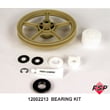
What is the capacity of the Maytag model MAV6458AWW?
The Maytag MAV6458AWW washer has a 3.2 cu. ft. tub capacity. Use this capacity to size loads so clothes can circulate freely for better cleaning, rinsing, and spinning; it also helps prevent out-of-balance conditions and extra wear.
How we recommend using the 3.2 cu. ft. capacity
- Load items loosely; do not pack them down
- Keep the top of the load below the tub rim
- Mix large and small items to help balance the spin
- For bulky items, wash one large item at a time when possible
Quick load-sizing guide for MAV6458AWW
| Load size | Practical tub fill | Best practice |
|---|---|---|
| Small | About 1/3 full | Clothes should tumble and roll easily |
| Medium | About 1/2 full | Avoid tight packing |
| Large | About 3/4 full | Leave space for turnover |
| Bulky | About 1/2 to 2/3 full | Distribute evenly around the basket |
Why it matters
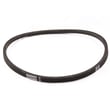
Correct load sizing for a 3.2 cu. ft. top-load washer improves wash action and reduces strain on spin and drive components. Chronic overloading commonly leads to poor agitation, longer drain times, and belt squeal.
Parts that can show symptoms when a washer is overloaded
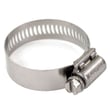
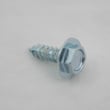
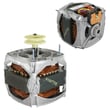
If you notice slipping, squealing, or weak spinning after frequent heavy loads, these model-matched parts are often involved:
For operating tips and load recommendations specific to this washer, use the MAV6458AWW owner's manual.
Last updated: January 2026
What is the most common problem with a Maytag washer?
For the Maytag MAV6458AWW, the most common customer-reported problems are no spin and no drain. On this style of top-load washer, those symptoms are often tied to a lid safety issue (the washer is designed not to spin with the lid open), a worn drive system, or a drain restriction.
Quick checks we recommend first
- Confirm the lid is fully closed; this washer is designed to not spin or agitate when the lid is open (normal safety behavior). See the MAV6458AWW owner's manual.
- Redistribute the load; a badly unbalanced load can stop or limit spin.
- Check the drain hose for kinks or a crushed section; verify the standpipe is not clogged.
- Listen for the motor: running but not spinning often points to a belt or drive issue.
- If the tub is full of water, try a drain/spin setting and watch for slow or no water flow.
Common causes and the parts that usually fix them
| Symptom | Most likely cause | Common part to inspect/replace (if applicable) |
|---|---|---|
| Won’t spin | Lid switch not being actuated, or lid switch failure | Washer lid switch WP22003804 or washer lid switch plunger WP22002754 |
| Won’t drain | Clog in drain hose or pump, or pump failure | Washer drain hose WP22003410 |
| Motor runs, tub won’t spin | Worn or broken belt, drive system wear | Washer drive belt WP22003483 |
Why it matters
A no-spin or no-drain condition can leave clothes soaking wet and can also strain the drive motor and belt over time. Catching a simple lid switch or drain hose issue early often prevents bigger repairs.
Safety notes before troubleshooting
- Unplug the washer before removing panels or touching wiring.
- Turn off water supply valves if you’re checking hoses.
- If you smell burning rubber or hear grinding, stop the cycle and inspect the drive belt and pulleys.
Last updated: January 2026
What's the average lifespan of a Maytag washer?
Most Maytag washers average 10 to 13 years of service life with normal household use. For your Maytag MAV6458AWW, lifespan depends most on load size, water quality, and how quickly wear items (like hoses and belts) are replaced; our MAV6458AWW owner's manual also outlines key care and safety practices.
Typical lifespan and what affects it
A washer’s “life” is usually limited by mechanical wear (drive system, bearings, seals) and water-related issues (hoses, valves, leaks).
Common factors that shorten lifespan:
- Frequent overloading or consistently unbalanced loads
- Skipping routine cleaning and inspection
- Hard water buildup affecting the water valve and internal passages
- Running with a worn belt, noisy motor, or leaking seal
- Old inlet hoses that crack, bulge, or leak
Maintenance that adds years (practical checklist)
We recommend these habits for the MAV6458AWW style top-load washer:
- Inspect inlet hoses regularly and replace them every 5 years
- Keep the washer level to reduce vibration and suspension wear
- Use the right detergent amount to limit residue and odors
- Avoid overfilling; leave space for clothes to circulate
- Address draining or spinning problems early (before secondary damage)
Quick “replace vs. repair” guide
If the washer is near the 10 to 13 year mark, the decision often comes down to the type of failure.
| Symptom | Common wear area | Typical next step |
|---|---|---|
| Won’t spin or slips under load | Belt or pulley system | Inspect/replace belt or pulley kit |
| Won’t drain or drains slowly | Drain hose or pump path | Check hose for clogs/kinks; inspect pump |
| Stops mid-cycle with lid closed | Lid switch system | Test lid switch and actuator |
Model-matched parts that often solve age-related issues:
Why it matters
Knowing the typical lifespan helps you plan maintenance and avoid bigger failures. For example, replacing inlet hoses on schedule helps prevent leaks and water damage, and fixing a slipping belt early can prevent extra strain on the drive motor.
Last updated: January 2026


