Owner’s manual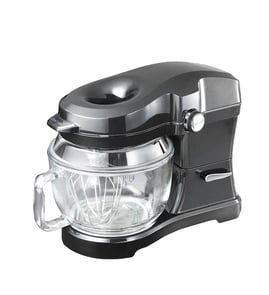

Which is the best stand food mixer?
The “best” stand food mixer depends on what you make most often. For everyday baking and heavier doughs, we recommend choosing a mixer with multiple speeds, a dough hook, a flat beater, and a wire whip (like the Kenmore Elite 1008910890A is designed to use); then match the attachment and speed to your recipe using the owner's manual.
Focus on performance and usability features that affect real results (kneading, whipping, creaming) more than brand name alone.
- Power and durability: stronger motors handle thicker cookie dough and yeast doughs with less strain
- Included attachments: flat beater, wire whip, and dough hook cover most recipes
- Speed control: more usable low speeds help prevent flour clouds and splatter
- Bowl capacity: larger bowls help with double batches; smaller bowls are easier for quick mixes
- Attachment hub: expands what the mixer can do with compatible add-ons
Your Kenmore Elite 1008910890A manual calls out common uses for each tool.
| Attachment | Best for | Typical examples |
|---|---|---|
| Flat beater | Normal to heavy mixtures | Cookies, cakes, quick breads, mashed potatoes |
| Wire whip | Adding air | Egg whites, whipped cream, sponge-style cakes |
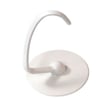
| Dough hook | Mixing and kneading yeast dough | Bread dough, rolls, buns |
Use this quick comparison to decide what to prioritize.
| If you mostly make... | Prioritize | Why |
|---|---|---|
| Bread and pizza dough | Dough hook performance, stable low speeds | Better kneading and less motor strain |
| Cakes and cookies | Flat beater results, speed range | Better creaming and consistent texture |
| Whipped cream and meringue | Wire whip performance | Faster aeration and better volume |
A stand mixer can mix faster than many handheld mixers, so the right attachment and speed helps prevent overmixing (which can make cakes tough and dough sticky). The manual’s speed guidance is the quickest way to get consistent results.
Last updated: February 2026
What is the best stand mixer for the price?
For the best stand mixer “for the price,” we match the mixer to what you actually make most often. For everyday cookies, cakes, and frosting, a mid-size tilt-head mixer is the best value; for frequent bread and heavy dough, a heavier-duty bowl-lift style delivers better long-term performance. Use the 1008910890A owner's manual to compare your Kenmore Elite mixer’s speed guidance and dough limits to what you plan to mix.
A stand mixer is a good buy when it handles your typical recipes without bogging down, overheating, or requiring constant scraping.
- Light use: occasional batters, whipped cream, small batches
- Everyday baking: cookies, cakes, buttercream, mashed potatoes
- Heavy use: frequent yeast dough, large batches, stiff doughs
- Kitchen fit: weight, height under cabinets, bowl capacity
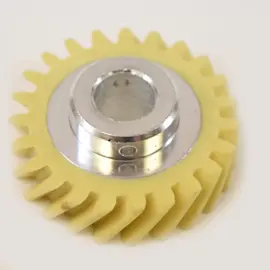
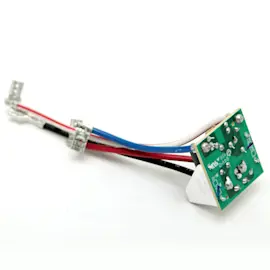
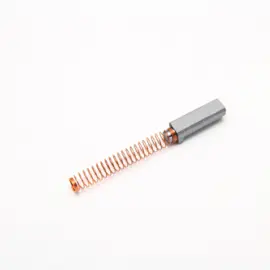
- Serviceability: replaceable wear parts (gears, brushes, speed control)
Your Kenmore Elite 1008910890A manual notes that the mixer may slow under heavy load (normal) and advises never adding more than 10 cups of flour to the bowl; it also says do not exceed Speed 2 when preparing yeast dough. Those two limits are the clearest “value” indicators for bread makers because they protect the motor and gears.
| If you mostly make… | Best value mixer type | Why it’s the better buy |
|---|---|---|
| Cakes, cookies, frosting | Tilt-head, mid-power | Lower cost, plenty of performance |
| Weekly bread dough | Bowl-lift, higher torque | Handles heavy loads with less strain |
| Small kitchens, small batches | Compact stand mixer | Easier storage, adequate for light mixing |
- Choose a mixer that can knead your typical dough at low speed (many recipes require Speed 2 or lower).
- Look for a stable base and a bowl that locks firmly.
- Confirm you can adjust beater-to-bowl clearance (helps prevent scraping and poor mixing).
- Plan for attachments only if you will use them (pasta, grinder, ice cream maker).
- Avoid oversizing: a huge mixer is frustrating for small batches.
“Best for the price” is really “best for your workload.” A less expensive mixer is a great value for batters and whipping, but if you routinely push heavy dough beyond recommended speed or flour limits, you can shorten the life of the drive system and motor.
Last updated: February 2026
How much should I spend on a stand mixer?
For a stand mixer, we recommend spending based on how often you bake and what you mix: about $100 to $200 for occasional light mixing, $250 to $500 for frequent baking and doughs, and $600+ for heavy use, larger bowls, and more power. Your Kenmore Elite 1008910890A is built for faster, thorough mixing, so paying for durability and stable performance matters.
- $100 to $200 (entry level): cookies, cake batter, whipped cream; shorter run times
- $250 to $500 (mid-range): better gearing and motor control; more consistent results with thicker batters
- $600+ (premium): stronger drive train, larger capacity options, better heat handling for long mixes
- Add-ons: plan extra for bowls and attachments (flat beater, dough hook, wire whip)
- Longevity: higher tiers typically hold speed better under load and last longer with frequent use
The manual guidance for the Kenmore Elite 1008910890A shows that speed choice and load matter (for example, yeast dough mixing is limited to low speed, and very heavy loads can slow the mixer). Use this to decide whether you need “more mixer” or just better technique. See the owner's manual for speed and load guidance.
| If you usually make... | Typical spend | What to prioritize |
|---|---|---|
| Frosting, cookies, cakes | $100 to $300 | stable low speeds, easy bowl access |
| Bread, pizza dough weekly | $300 to $600 | strong low-speed torque, cooling, sturdy gears |
| Large batches, frequent dough | $600+ | capacity, durability, long-run performance |
A stand mixer that is underpowered for your recipes tends to bog down under heavy load, run hotter, and require longer mixing times. A properly sized mixer gives better texture, more consistent creaming and whipping, and less wear on the motor and gears.
- Use lower speeds for splashy mixtures and increase only after thickening
- Do not exceed low speed for yeast dough (protects the drive system)
- Avoid overmixing; this mixer can mix faster than many others
- Turn the mixer off before scraping the bowl
- Keep attachments clean and dry; do not immerse the mixer body in water
Last updated: February 2026
Is there a small stand mixer?
Yes. “Small” stand mixers are compact countertop mixers that typically use a 3 to 4 quart bowl and a lighter motor, which makes them easier to store and better for smaller batches. For your Kenmore Elite 1008910890A, use the 1008910890A owner's manual to follow the correct speed guidance for batters and dough.
Small stand mixers are defined more by bowl capacity and footprint than by brand.
- Typical bowl capacity: 3 to 4 quarts
- Best for: cookies, frosting, whipped cream, single-layer cakes
- Common tradeoff: less capacity for thick dough and large batches
- Usually easier to lift and store than 5 quart-plus mixers
- Often includes basic tools (flat beater, wire whip, dough hook varies)
Use your most common recipe size and dough frequency to choose.
| What you make most | Small mixer (3 to 4 qt) | Larger mixer (5 qt+) |
|---|---|---|
| Frosting, whipped cream | Best fit | Works well |
| Cookies (single batch) | Best fit | Works well |
| Cakes (1 layer) | Best fit | Works well |
| Big batches | Limited | Best fit |
| Yeast dough often | Limited | Best fit |
The Kenmore Elite 1008910890A manual includes specific operating limits that help prevent strain and splashing.
- Start on Speed 1 (stir) to combine ingredients
- For yeast dough, do not exceed Speed 2
- Turn the mixer off before scraping the bowl
- Avoid overfilling; heavy loads can slow the mixer
- Adjust mixing time to your recipe; don’t rely on “full-size” times
Choosing the right size prevents overload, improves mixing results, and reduces wear on the motor and gears, especially when you make thicker batters or knead dough.
Last updated: February 2026