Owner’s manual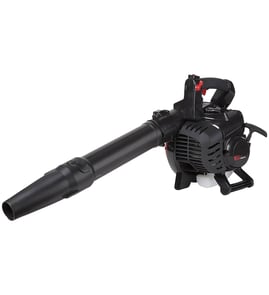







What is the life expectancy of a gas leaf blower?
A gas leaf blower like the Craftsman 316794831 typically lasts about 8 to 10 years with normal homeowner use and consistent maintenance. Heavy use, dusty conditions, and old fuel shorten life; clean air filtration and regular tune-ups extend it. See the 316794831 owner’s manual for the maintenance schedule.
- Fuel quality and storage: fresh fuel and proper off-season storage prevent carburetor issues.
- Air filtration: a clogged filter makes the engine run rich and wear faster.
- Ignition health: a worn plug can cause hard starting and misfires.
- Cooling airflow: debris around the engine cover can lead to overheating.
- Vibration and fasteners: loose hardware accelerates wear on housings and mounts.
- Replace the spark plug on schedule; use the correct replacement such as spark plug 753-05935 when it matches your setup.
- Keep the air intake and filter clean; replace the filter if it will not clean up.
- Empty or stabilize fuel before storage; run the engine briefly to circulate treated fuel.
- Inspect fuel lines and the tank cap seal; fix leaks immediately.
- Check throttle and trigger operation; sticking controls can over-rev the engine.
| Usage pattern | Typical lifespan | What usually fails first |
|---|---|---|
| Occasional seasonal use | 10+ years | Fuel system gumming, primer lines |
| Regular weekly yard use | 8 to 10 years | Carburetor wear, ignition parts |
| Heavy or commercial-like use | 5 to 7 years | Engine wear, vibration-related damage |
Most “dead blower” complaints are fuel-system and ignition maintenance issues, not a worn-out engine. Staying ahead of fuel storage, filtration, and spark keeps your Craftsman blower starting easily and producing full airflow.
Last updated: January 2026
Are gas leaf blowers being phased out?
Yes. Gas leaf blowers like the Craftsman 316794831 are being phased out in many areas because more cities and states are restricting or banning their use due to noise and air-emissions concerns; the exact timeline depends on local rules.
Most rules do one (or more) of the following:
- Ban use during certain hours or seasons
- Restrict use by contractors (commercial use) before homeowners
- Require electric or battery-powered equipment for new purchases
- Enforce noise limits that effectively eliminate many gas blowers
We recommend confirming requirements at the city or county level first, then state rules if applicable.
- Look up your city or county “leaf blower ordinance”
- Check if the rule targets use, sale, or both
- Note the effective date and any grace period
- Confirm whether it applies to homeowners, landscapers, or both
- Save a copy of the ordinance for reference
If gas blowers are still allowed where you live, good maintenance helps reduce noise, smoke, and starting problems.
| Maintenance item | What it helps prevent | Common related parts |
|---|---|---|
| Fresh fuel and correct mix (if 2-cycle) | Hard starting, stalling | Fuel system parts |
| Clean air intake | Rich running, smoke | Air filter assembly |
| Strong ignition | Misfire, no-start | Spark plug |
| Tight, intact covers | Extra noise, vibration | Engine cover, fasteners |
These are frequently replaced items on gas blowers when starting or running gets unreliable:
- Spark plug 753-05935 (ignition and starting)
- Leaf blower air filter assembly 753-04223 (airflow and mixture)
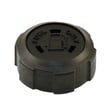
- Fuel tank cap (helps prevent leaks and fuel delivery issues)
Local restrictions can change how and when you can use a gas blower, and maintenance becomes even more important if you want the blower to start quickly and run cleanly when you are allowed to operate it. For operating and service basics, use the 316794831 manual.
Last updated: January 2026
How to find Craftsman leaf blower model number?
On the Craftsman gas leaf blower model 316794831, the model number is printed on a product label (ID tag) attached to the blower housing. We typically see this label on the engine/motor casing area, the rear housing, or near the handle where it stays readable during normal use.
Check these common label locations first:
- Side of the engine or motor casing
- Rear of the blower housing (near the air intake area)
- Under or beside the handle/grip area
- Near the fuel tank area (on the housing, not on the cap)
- Along the tube connection area (where the blower tube locks in)
If the label is dirty, wipe it with a damp rag so the numbers are clear.
Most Craftsman outdoor power equipment labels include a few key fields. Use the model number field for parts lookup.
| Label field | What it’s used for | Example for this blower |
|---|---|---|
| Model number | Correct parts and diagrams | 316794831 |
| Serial number | Manufacturing ID | Varies |
| Engine family/spec | Engine reference | Varies |
We use the model number to match the correct carburetor parts, ignition parts, and fuel system parts for your exact blower. Even small model changes can affect fit, fuel line routing, and tune settings.
Use these practical options:
- Check the 316794831 owner’s manual for model/ID label diagrams and identification tips
- Look for a stamped number on the housing near the label area (sometimes the plastic is embossed)
- Compare your blower’s major assemblies (fuel tank shape, tube style, handle style) to parts diagrams for model 316794831
Last updated: January 2026
What is the best gas-powered leaf blower on the market?
The “best” gas-powered leaf blower depends on how you’ll use it (handheld vs. backpack, yard size, and how long you run it at a time). For most homeowners, we recommend choosing a proven brand and matching performance (CFM/MPH) to your workload; use your 316794831 owner’s manual to confirm what your Craftsman 316794831 is designed to deliver and maintain.
We focus on the same factors that drive real-world results and long-term reliability:
- Air volume (CFM): moves more leaves at once
- Air speed (MPH): breaks loose wet or stuck debris
- Weight and balance: reduces fatigue (especially handheld units)
- Starting and throttle control: easier cold starts, smoother power delivery
- Serviceability: easy access to spark plug, air filter, and fuel system parts
| If you need... | Best style | Why it matters |
|---|---|---|
| Quick cleanup on patios, small yards | Handheld | Lighter, faster to grab and go |
| Long sessions, large yards, heavy leaf fall | Backpack | More power with less arm fatigue |
| Wet leaves, acorns, stubborn debris | Higher-output model (often backpack) | More CFM/MPH clears faster |
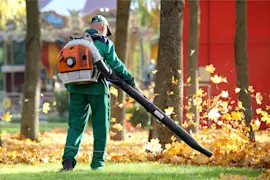
Across the market, Echo, STIHL, and Husqvarna are consistently strong for power and durability. Popular examples include:
- Husqvarna 150BT (backpack)
- STIHL BR 800 C-E Magnum (backpack)
- Echo PB-2620 (handheld)
A well-maintained blower often outperforms a neglected “premium” model. If your Craftsman 316794831 is hard to start, runs rough, or lacks power, these basics usually make the biggest difference:
- Replace a worn plug such as the spark plug 753-05935
- Clean or replace the air filter (restricted airflow reduces power)
- Use fresh, properly mixed fuel (stale fuel causes hard starting)
- Inspect fuel lines and the fuel tank cap for leaks or venting issues
- Check for loose fasteners and cracked housings that can affect airflow
Choosing the right blower saves time and reduces fatigue. Matching CFM/MPH and ergonomics to your yard is what makes a blower feel “best” day to day, not just the biggest engine.
Last updated: January 2026