



What is the average lifespan of a GE dishwasher?
Most GE dishwashers, including model GSD5200G00WW, typically last 10 to 12 years. With consistent cleaning and prompt repair of leaks or draining problems, it’s common to reach the upper end of that range.
- Water quality: hard water speeds up mineral buildup on the heating system and internal passages.
- Cleaning and maintenance: regular cleaning reduces strain on the pump and spray system.
- How often it runs: multiple loads per day usually shortens lifespan.
- Small leaks: even minor door or hose leaks can damage components over time.
- Drain performance: slow draining makes the motor work harder and can lead to early failure.
- Run hot water at the sink before starting a cycle so the dishwasher fills with hot water.
- Keep the tub and sump area clean; remove debris after heavy loads.
- Inspect the door sealing surfaces and wipe them clean.
- Watch for slow draining and address it early.
- If you see standing water or hear grinding, check the drain path and pump area.
| Symptom | Often involved part | Example for GSD5200G00WW |
|---|---|---|
| Not draining, water left in tub | Drain hose or drain path restriction | Dishwasher drain hose WD24X10014 |
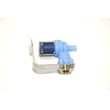
| Not filling or fills slowly | Water inlet valve | Dishwasher water inlet valve WD15X10003 |
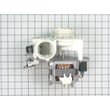
| Loud humming, weak wash, no circulation | Pump and motor assembly | GE dishwasher pump and motor assembly WD26X10013 |
A dishwasher that’s maintained and repaired early usually avoids secondary damage (motor strain, corrosion from leaks, and poor cleaning). That’s the difference between replacing one part and replacing the whole dishwasher.
Last updated: January 2026
What is the most common problem with GE dishwashers?
The most common GE dishwasher problem is a no-drain or poor-drain condition caused by a clog or restriction in the drain path. On GE model GSD5200G00WW, we also frequently see “won’t start” complaints tied to door-latch or power issues, plus occasional leaks from worn seals.
- Water left in the bottom: drain hose restriction, sink/disposal blockage, or a drain system issue
- Hums but doesn’t wash: circulation problem, sometimes related to the GE dishwasher pump and motor assembly WD26X10013
- Won’t start: door not fully latched, power supply issue, or control problem
- Not cleaning well: spray arm blockage, low water fill, or wash system performance issue
- Leaks: door seal wear or tub corner sealing issues
- Cancel/drain and listen: you should hear a strong drain sound and see water moving through the sink drain.
- Check the sink drain/disposal: a partially clogged disposal inlet or drain can mimic a dishwasher failure.
- Inspect the drain hose routing: avoid kinks; make sure it is routed high under the counter (high loop) to reduce backflow.
- Clean out debris: remove standing water and clear any visible food or glass from the sump area.
- Confirm hot water supply: poor hot water can worsen cleaning and leave residue.
| Problem you see | Most likely area | Example part for this model |
|---|---|---|
| Not draining | Drain path or hose | Dishwasher drain hose WD24X10014 |
| Not filling | Water supply/valve | Dishwasher water inlet valve WD15X10003 |
| Leaking at door | Door sealing surfaces | Dishwasher door seal insert WD08X10015 |
Drain and fill problems can cause repeat cycle failures, odors, and poor cleaning. Catching restrictions early also helps protect major components like the motor and pump from overheating or running under load.
Last updated: January 2026
Can a clogged drain cause an FTD error?
Yes. On the GE GSD5200G00WW dishwasher, an FTD (fail to drain) error commonly happens when water cannot leave the tub due to a clog in the drain path, such as the filter area, drain hose, or the sink/disposal connection.
- Cancel the cycle and let the unit attempt to drain; listen for the drain pump running.
- Remove standing water (cup or wet/dry vac) so you can inspect the sump area.
- Check the sink drain or garbage disposal inlet where the dishwasher drain connects; clear any blockage.
- Inspect the drain hose for kinks, crushing, or a sag that traps debris.
- Verify the drain hose routing has a high loop under the counter (helps prevent backflow).
| Drain area | Typical symptom | What to do |
|---|---|---|
| Sump/filter area | Grit, labels, glass; slow drain | Remove debris and rinse the area clean |
| Drain hose | Intermittent draining; gurgling | Detach and flush the hose if accessible |
| Air gap (if installed) | Water at sink air gap; poor drain | Clean the air gap cap and passage |
| Disposal/dishwasher inlet | Drains poorly right after disposal install | Clear the inlet and confirm the knockout plug is removed |
If the drain path is clear but FTD continues, the issue is usually a weak or jammed drain pump, a restriction inside the hose, or a control-related drain timeout. For this model, replacing the drain hose is a common fix when the hose is internally restricted: dishwasher drain hose WD24X10014.
An FTD condition leaves dirty water in the tub, can redeposit soil on dishes, and can trigger repeated drain attempts that strain the pump and extend cycle time.
For code-specific guidance, use our GE dishwasher error codes reference to match the exact display behavior to the most likely drain-related checks.
Last updated: January 2026
How to clear GE dishwasher error code?
To clear an error code on your GE dishwasher model GSD5200G00WW, we recommend starting with a control reset (cancel/drain) and then power-cycling the dishwasher. If the code returns, address the underlying issue (drain, fill, leak, or heating) before trying to clear it again.
- Cancel/Reset (most common): Press and hold Start/Reset for about 3 seconds to cancel the cycle; many GE models will drain and reset.
- Hard reset (power cycle): Turn the dishwasher OFF at the breaker for 5 to 10 minutes, then restore power and start a new cycle.
- Clear a stuck condition: Open the door, wait 10 seconds, close it firmly, then try Start/Reset again.
Many GE dishwasher error codes come back immediately if the dishwasher still detects the problem. These checks solve the most common causes:
- Drain problems: Check the sink/disposer connection, air gap (if used), and make sure the drain hose is not kinked; a clogged hose often needs replacement.
- Fill problems: Confirm the water supply valve is fully open and the inlet screen is not blocked.
- Leak/overfill protection: Make sure the float moves freely and the tub is not over-sudsing.
- Heating/drying issues: If the dishwasher is not heating, inspect the heater circuit and wiring.
| Symptom you notice | Most likely area to check | Part that often fixes it (if failed) |
|---|---|---|
| Won’t drain, standing water | Drain hose, drain path | Dishwasher drain hose WD24X10014 |
| Won’t fill or fills slowly | Water supply, inlet valve | Dishwasher water inlet valve WD15X10003 |
| Loud hum, poor wash, no circulation | Pump and motor | GE dishwasher pump and motor assembly WD26X10013 |
If you can share the exact code (letters/numbers) and what the dishwasher is doing, we can narrow the fix quickly. These code references help you match the code to the failure:
Clearing the code without fixing the cause usually leads to repeat shutdowns, incomplete draining, or poor cleaning. Fixing the root issue protects the control board, pump, and heater from repeated fault conditions.
Last updated: January 2026





