

Is it worth repairing a Kenmore washing machine?
For a Kenmore washer like model 11092284100, repairing is usually worth it when the fix restores reliable wash and spin performance for less than about half the cost of a comparable new washer. Common, high-value repairs include the drive system, drain pump, and agitator components.
Quick way to decide (cost vs. benefit)
Use this checklist before you buy parts or schedule service:
- Age and condition: If the cabinet and tub are solid (no major rust, no chronic leaks), repairs pay off.
- Symptom type: No-spin, no-agitate, or no-drain problems are often repairable with standard parts.
- Repair cost target: Parts plus labor under 50% of replacement cost is a strong “repair” signal.
- Downtime: If you need a fast fix, in-stock parts can get you back running quickly.
- Repeat failures: Multiple recent breakdowns can shift the value toward replacement.
Repairs that are commonly “worth it” on this style of Kenmore washer
These are frequent failure points that often restore full operation when replaced:
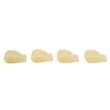
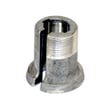
- Agitation issues (weak or one-direction agitation): Agitator dog 80040
- No-agitate or loud grinding at start: Coupling 285753A
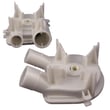
- Won’t drain or leaves water in tub: Water pump WP3363394
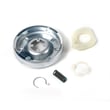
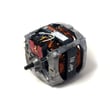
- Spin problems or burning smell during spin: Clutch 285785
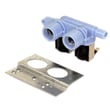
- Fill problems (won’t fill, slow fill, wrong temp): Washer valve 285805
What the symptoms usually mean
| What you notice | Most likely system | Typical next step |
|---|---|---|
| Motor runs but washer won’t agitate/spin | Drive coupling | Inspect and replace coupling if cracked |
| Water won’t pump out | Drain system | Check hose for clogs; replace pump if seized |
| Agitator “slips” or doesn’t move clothes well | Agitator mechanism | Replace worn agitator dogs |
| Spins weakly or makes rubbing noise | Spin drive/clutch | Inspect clutch and drive block |
Why it matters
A targeted repair keeps a proven Kenmore platform running, avoids the learning curve of a new machine, and often fixes the exact failure point (like a coupling or pump) without replacing the whole washer.
Last updated: February 2026
What is the average lifespan of a Kenmore washer?
A Kenmore washer typically lasts 10 to 15 years with normal household use. For Kenmore model 11092284100, staying closer to the high end usually comes down to avoiding overloads, using the right detergent amount, and fixing early wear items before they damage the drive system.
Typical lifespan and what changes it
Most washers land in the same general range, but these factors move the needle:
- Load size and balance: frequent overloading or off-balance loads shorten suspension and drive life.
- Water quality: hard water can increase valve and pump wear.
- Drain habits: coins, lint, and small items can stress the pump.
- Cycle choices: heavy-duty cycles and hot water accelerate wear.
- Maintenance: catching small issues early prevents bigger failures.
Common wear items that can shorten washer life
On a top-load Kenmore like 11092284100, these parts often show symptoms first:
- Coupling 285753A (motor-to-transmission drive; failure can stop agitation/spin)
- Water pump WP3363394 (drain performance; failure can cause no-drain or leaks)
- Washer valve 285805 (slow fill, no fill, or leaking into the tub)
- Clutch 285785 (weak spin, burning smell, or slow basket ramp-up)
- Agitator dog 80040 (agitator slips or only moves one direction)
Quick symptom-to-part guide
| Symptom | What it often points to | What to check first |
|---|---|---|
| Won’t agitate but motor runs | Drive connection issue | Coupling condition, agitator movement |
| Won’t drain or drains slowly | Drain restriction or pump wear | Pump inlet for debris, hose kinks |
| Weak or no spin | Clutch or drive components | Load balance, clutch wear |
| Slow fill or no fill | Water inlet valve issue | Screens at hoses, valve function |
Why it matters
A washer can run for years with minor wear, but ignoring early signs (slipping agitation, slow drain, weak spin) often forces the motor and gearcase to work harder. Replacing a small part early can extend the service life and reduce repeat breakdowns.
Last updated: February 2026
How to identify a Kenmore washer model?
Your Kenmore washer model number is printed on the appliance’s model and serial tag. For Kenmore washers, it’s commonly under the lid on top-load models or around the door opening on front-load models; for this unit, the model you want to match for parts is 11092284100.
Where to look on Kenmore washers
Check these common tag locations first:
- Top-load washer: under the lid, along the rim of the tub opening
- Front-load washer: inside the door opening, on the door frame area
- All styles: back panel near the power cord, or behind/under the control console
- Sometimes: inside the cabinet (visible when the console is tilted up)
What the model number looks like (and why it matters)
Kenmore model numbers often start with 110 (a common Kenmore prefix) and may include 8 to 11+ digits. Using the exact model number helps us match the correct fit for parts like a lid switch, water inlet valve, drain pump, or drive components.
Quick ID checklist
- Write the model number exactly as shown (no spaces)
- Also record the serial number (helps with production changes)
- Match every digit before ordering parts
Common examples for this model’s part lookups
If you’re troubleshooting while you identify the model, these parts are frequently referenced on Kenmore 110-series top-load washers:
| Symptom | Common part to check | Example part for this model |
|---|---|---|
| Won’t drain | Drain pump | Water pump WP3363394 |
| Won’t fill | Water inlet valve | Washer valve 285805 |
| Won’t spin/agitate | Motor coupling | Coupling 285753A |
Why it matters
Kenmore washers can look similar across many series, but internal components (like the timer, clutch, drive block, and pump) can differ by model and production run. Using 11092284100 ensures we pull the correct Kenmore washer parts list and diagrams.
Last updated: February 2026
How many cubic feet is a Kenmore model 11092284100 washer?
Kenmore washer model 11092284100 is a Whirlpool-built, direct-drive style top-load washer; most washers in this Kenmore 110 series run about 3.2 to 3.5 cu. ft. capacity. For an exact number, we match capacity by the model’s product ID tag details and configuration.
Typical capacity for this Kenmore 110 top-load platform
Most Kenmore 110 top-loaders from this era fall into a narrow capacity band.
- Common range: 3.2 to 3.5 cu. ft.
- Less common (variant-dependent): about 3.0 to 4.0+ cu. ft.
- Capacity is tied to basket size and tub geometry, not the timer dial
- A replacement basket can change usable volume if a different design is installed
- If you are comparing to a newer HE top-load washer, the numbers may not translate directly to real-world load size
Quick ways we confirm capacity (without guessing)
Use these checks to pin down the exact capacity for 11092284100:
- Read the model and serial tag (usually under the lid or on the rim).
- Note any basket style differences (standard vs. deep basket).
- Compare your basket and drive system parts to the model’s parts list, such as the basket W10389328.
Parts that relate to “how big it feels”
Capacity is a spec, but performance symptoms often come from drive and suspension parts.
| What you notice | Common related area | Example model-matched part |
|---|---|---|
| Clothes not rolling over well | Agitation components | Agitator dog 80040 |
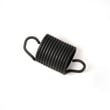
| Tub bangs or walks | Suspension support | Washer suspension spring (WP63907) |
| Slow or incomplete drain | Drain system | Water pump (WP3363394) |
Why it matters
Knowing the correct cubic feet helps us recommend the right load size, cycle expectations, and compatible replacement parts (like a basket or agitator components) so the washer cleans well without overloading.
Last updated: February 2026